










Direkt zum Inhalt

Warenkorb

  • IDEA Magazine

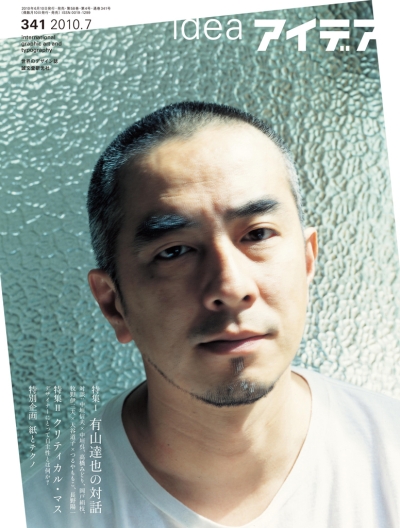
    IDEA 341. Dialogues with Tatsuya Ariyama

  • gerade nicht auf Lager
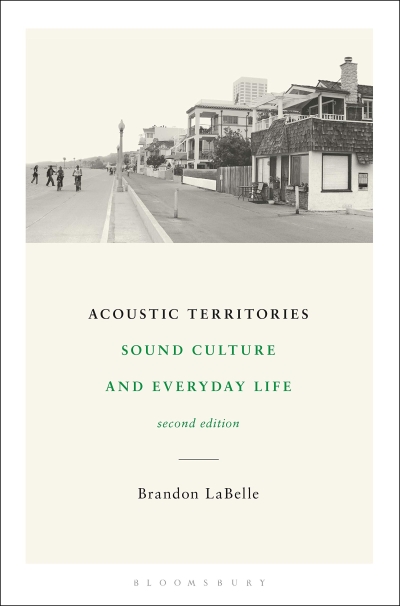
    Brandon LaBelle

    Acoustic Territories. Sound Culture and Everyday Life.…

  • gerade nicht auf Lager
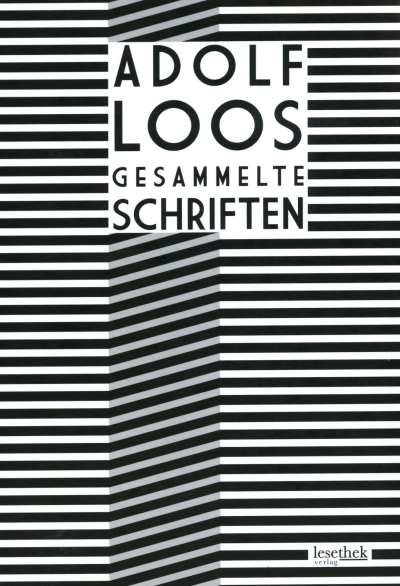
    Adolf Opel (Hg.)

    Adolf Loos. Gesammelte Schriften

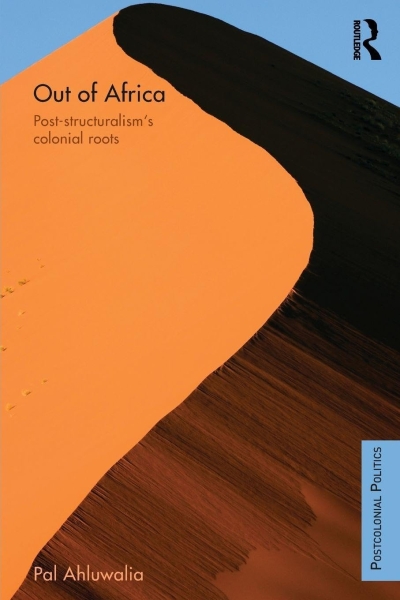
  • Pal Ahluwalia

    Out of Africa. Post-Structuralism's Colonial Roots

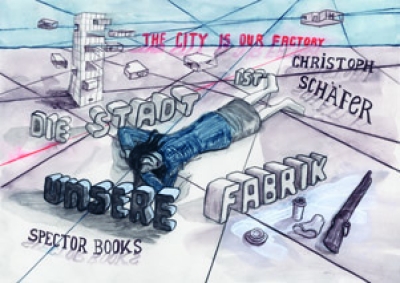
  • Christoph Schäfer

    Die Stadt ist unsere Fabrik. The City is Our Factory.

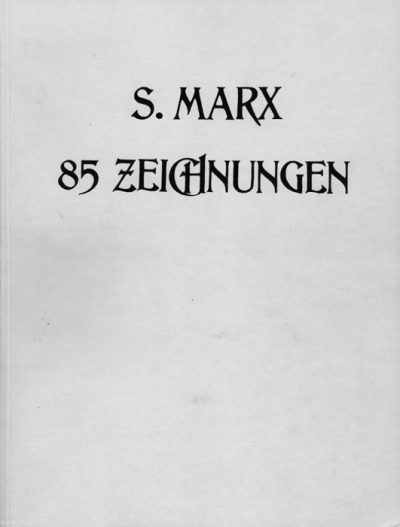
  • Stefan Marx

    85 Zeichnungen

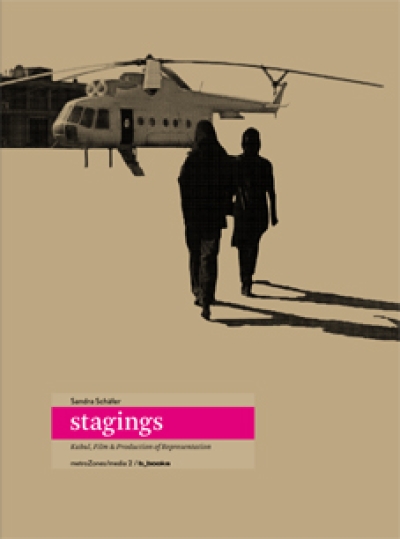
  • Sandra Schaefer

    Stagings. Kabul, Film & Production of Representation

  • gerade nicht auf Lager
    Steve Goodman

    Sonic Warfare. Sound, Affect, and the Ecology of Fear

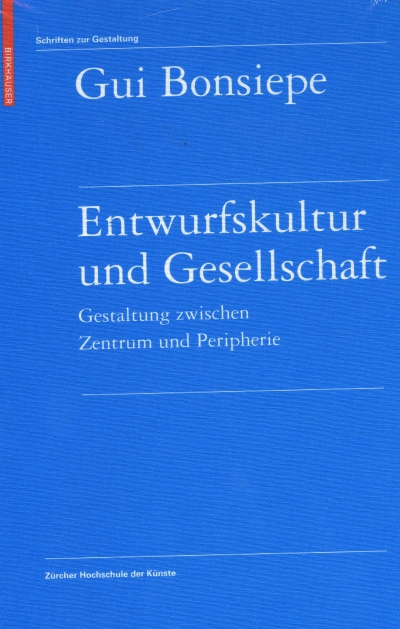
  • Gui Bonsiepe

    Entwurfskultur und Gesellschaft. Gestaltung zwischen…

  • gerade nicht auf Lager
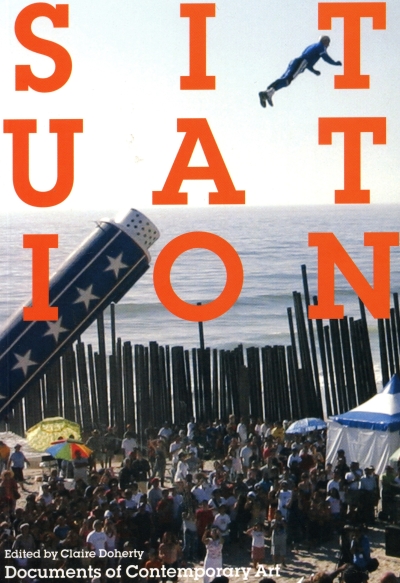
    Claire Doherty (Hg.)

    Situation. Documents of Contemporary Art

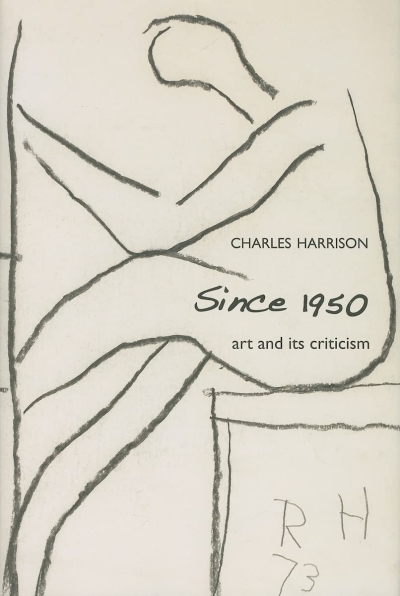
  • Charles Harrison

    Since 1950. art and its criticism

  • gerade nicht auf Lager
    James Hennessey, Victor Papanek

    Nomadic Furniture. D-I-Y Projects that are Lightweight

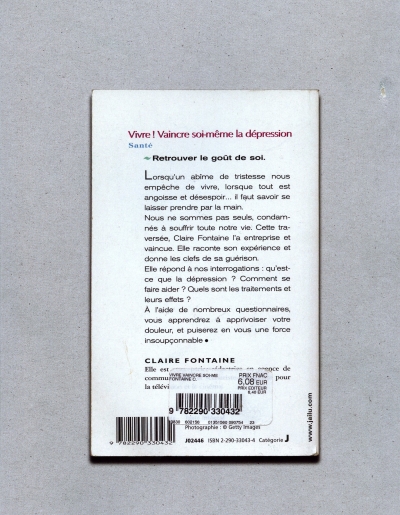
  • Claire Fontaine

    Vivre, vaincre

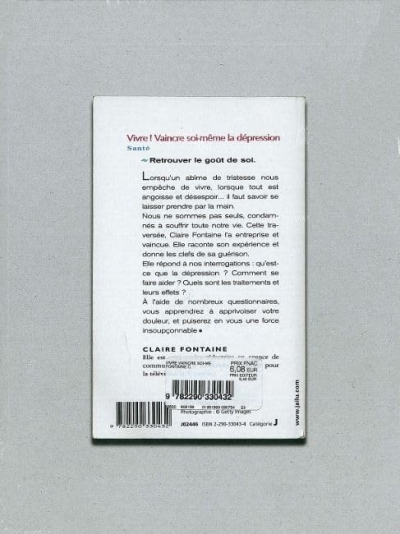
  • Claire Fontaine

    Claire Fontaine. Vivre, Vaincre

  • Brian Holmes

    Escape the Overcode. Activist Art in the Control Society

  • IDEA Magazine

    IDEA 332. How does graphic design CHANGE?

  • Jean-Luc Godard, Youssef Ishaghpour

    Archäologie des Kinos, Gedächtnis des Jahrhunderts

  • Arkitip No. 0048

    Ryan McGinness

  • Rahel Lämmler, Michael Wagner

    Ulrich Müther. Schalenbauten in Mecklenburg-Vorpommern

  • Martina Löw

    Soziologie der Städte

  • Sven Spieker

    The Big Archive. Art From Bureaucracy

  • Thomas Meinecke

    Jungfrau

  • Grada Kilomba

    Plantation Memories. Episodes of Everyday Racism

  • An Architektur

    An Architektur 22: GAMMA Grid, 1953. Das Ende des CIAM und…

  • An Architektur

    An Architektur 19-21: Community Design. Involvement and…

  • Antonio Negri

    The Porcelain Workshop. For a New Grammar of Politics

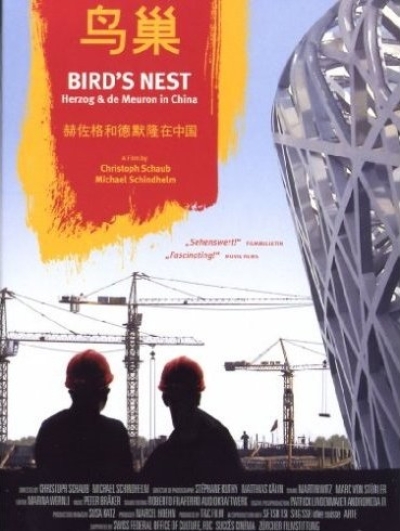
  • Christoph Schaub, Michael Schindhelm

    Bird's Nest (DVD, 87 min.). Jacques Herzog und Pierre…

  • Laurence A. Rickels

    Ulrike Ottinger. Eine Autobiografie

  • N. John Habraken, Arnulf Lüchinger

    Die Träger und die Menschen. Das Ende des Massenwohnungsbau…

  • gerade nicht auf Lager
    Guy Debord

    Comments on the Society of the Spectacle

  • Michel de Certeau

    Kunst des Handelns

  • Alain Badiou

    Wofür steht der Name Sarkozy?

  • gerade nicht auf Lager
    Donna Haraway

    Die Neuerfindung der Natur. Primaten, Cyborgs und Frauen.

  • gerade nicht auf Lager
    Stefanie Schulte Strathaus, Florian…

    Wer sagt denn, dass Beton nicht brennt, hast Du’s probiert?

  • gerade nicht auf Lager
    Henri Lefebvre

    Writings on Cities

  • Loretta Napoleoni

    Rogue Economics. Capitalism's New Reality

  • AD

    AD 174. Vol. 75. Nr. 2. Samantha Hardingham. The 1970…

  • An Architektur

    An Architektur 18: Camp for Oppositional Architecture:…

  • Johan Frederik Hartle

    Der geöffnete Raum. Zur Politik der ästhetischen Form

  • An Architektur

    An Architektur 16-17

  • Vera Beyer, Jutta Voorhoeve, Anselm…

    Das Bild ist der König. Repräsentation nach Louis Marin

  • An Architektur

    An Architektur 15 / FFM 11: Europäische…

  • An Architektur

    An Architektur 14: Camp for Oppositional Architecture

  • An Architektur

    An Architektur 11-13: Theorie und Praxis der Kartografie

  • An Architektur

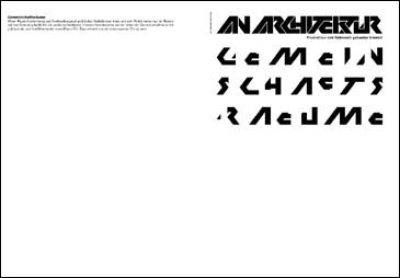
    An Architektur 10: Gemeinschaftsräume

  • An Architektur

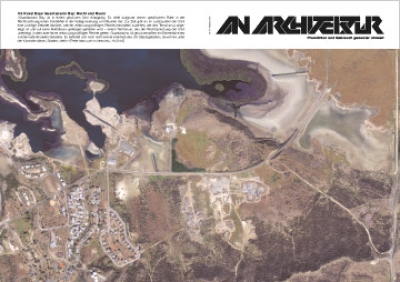
    An Architektur 04-09: Krieg und die Produktion von Raum

  • IDEA Magazine

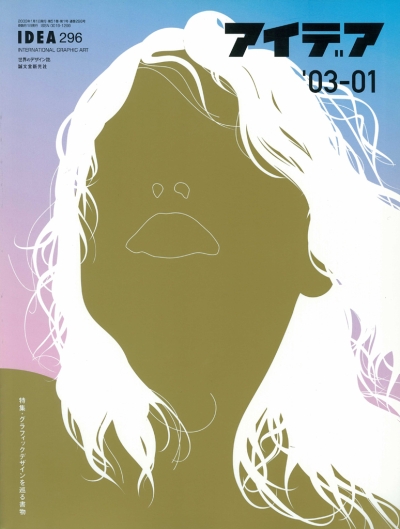
    IDEA 296. Books <preposition> graphic design

  • IDEA Magazine

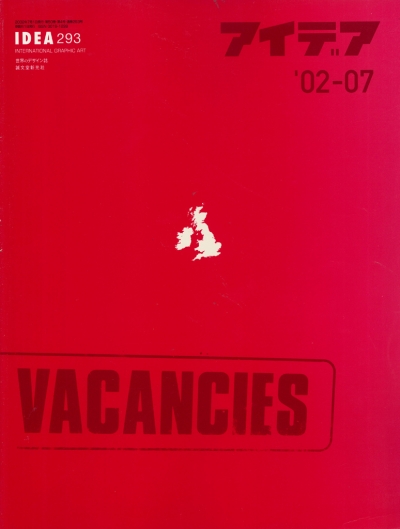
    IDEA 293. Stanley Donwood / Vacances. DD-DDD / Dimensions…

  • gerade nicht auf Lager
    An Architektur

    An Architektur 01-03

  • Pro qm

    Gutschein / Voucher

  • Siegfried Kracauer

    Das Ornament der Masse. Essays

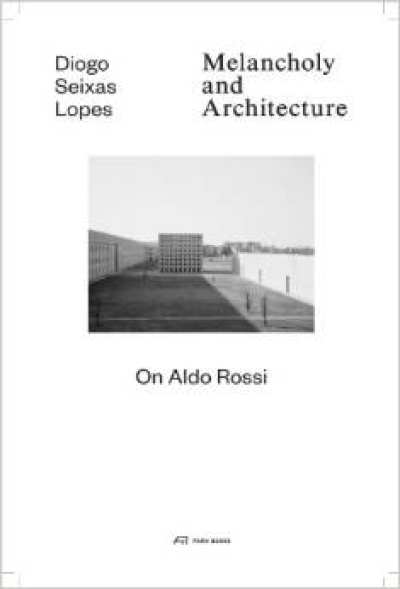
Melancholy and Architecture: On Aldo Rossi

Aldo Rossi (1931–1997) ist eine Schlüsselfigur der Architektur der zweiten Hälfte des 20. Jahrhunderts. Sein oft als melancholisch beschriebenes Werk war auf theoretischer und praktischer Ebene äusserst einflussreich. Die Geschichte der Melancholie wiederum läuft wie ein Schatten der Kulturgeschichte neben dieser her, ist Quelle des Leids wie auch der Inspiration. Der portugiesische Architekt Diogo Seixas Lopes diskutiert in seinem Buch dieses Konzept von Melancholie und setzt sich mit der Beziehung von Melancholie und Architektur auseinander. Dies tut er am Beispiel Aldo Rossis, wobei die Analyse von dessen Friedhof San Cataldo in Modena einen zentralen Stellenwert einnimmt. Kann Architektur eine Ausdrucksform der Melancholie sein? Ziel des Autors ist es, Melancholie als eine kritische Kategorie in Rossis Werk zu etablieren und dieses zugleich einer neuen, kulturell relevanten Interpretation zuzuführen.
Italian architect Aldo Rossi (1931–97) is a crucial figure in twentieth-century architecture, his work highly influential in both theory and practice. Working in Italy and throughout Europe after World War II, he disputed the then-dominant credos of the modernists—and even went so far as to question the very status of his profession. Discarding utopian pretenses, his work claimed the autonomy of architecture with formal restraint.
In Melancholy and Architecture, Diogo Seixas Lopes looks at Rossi’s work through the lens of a term often used to describe Rossi’s work: melancholy. While the influence of melancholy on literature and the visual arts has been extensively studied, its presence in architecture has been largely overlooked. Exploring Rossi’s entire career, Lopes traces out the oscillation between enthusiasm and disenchantment that marks Rossi’s work. Through a close exploration of one of Rossi’s landmark works, the Cemetery of San Cataldo in Modena, he shows how this brilliant, innovative architect reinterpreted a typology of the past to help us come to terms with representations of death and the deep sadness that inevitably accompanies it.
Beautifully illustrated, Melancholy and Architecture both illuminates the career of a key postwar architect and offers a new perspective on the long cultural history of melancholy.


Diogo Seixas Lopes
Melancholy and Architecture: On Aldo Rossi
Park Books, 2015, 978-3-906027-47-0
gerade nicht auf Lager