







Direkt zum Inhalt

Warenkorb

  • Jay Swayze

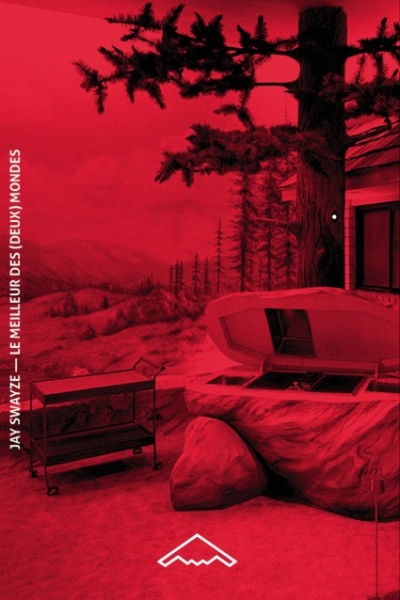
    Le Meilleur des (deux) Mondes. Maisons et Jardins…

  • Olaf Nicolai

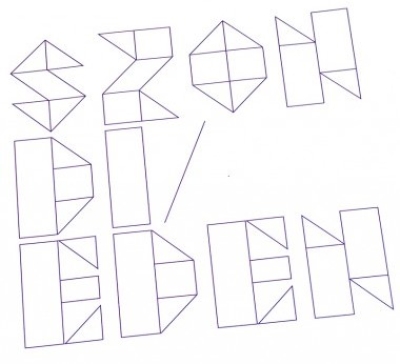
    Szondi/Eden

  • Tom Wilkinson

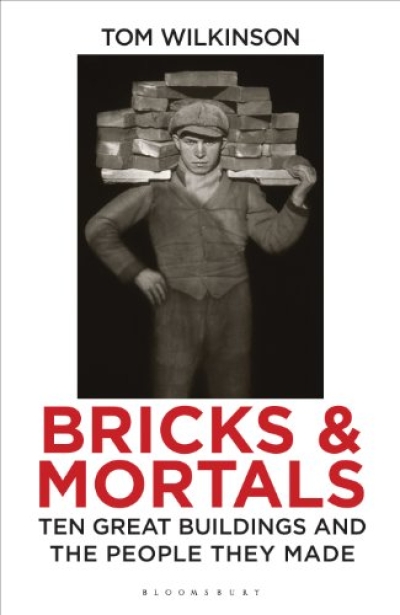
    Bricks & Mortals. Ten Great Buildings and the People…

  • gerade nicht auf Lager
    Stefan Römer

    Inter-esse

  • Natalie Czech

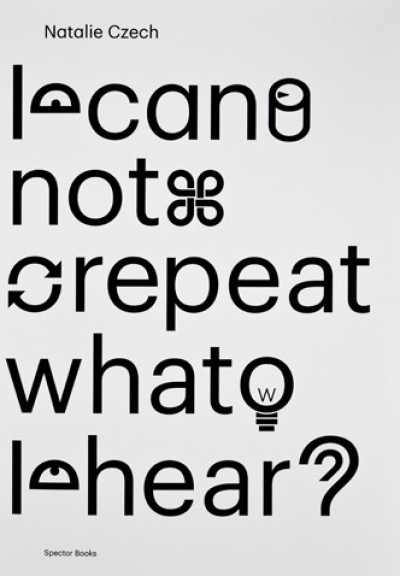
    I cannot repeat what I hear

  • Pinar Yoldas

    An Ecosystem of Excess

  • Marc Glöde

    Farbige Lichträume. Manifestationen einer Veränderung des…

  • Olaf Habelmann

    Die Trauben auf deinem Bauch bilden ein Muster

  • Anke Westermann

    Anke Westermann. Atlas

  • Rachel Mader (Hg.)

    Radikal ambivalent. Engagement und Verantwortung in den…

  • gerade nicht auf Lager
    Henri Lefèbvre

    Die Revolution der Städte. La Revolution urbaine

  • Martin Pawley

    Theorie und Gestaltung im Zweiten Maschinenzeitalter

  • Stasis. Academic Journal

    Social and Political Theory. No. 1

  • Martin Conrads

    Ohne Mich

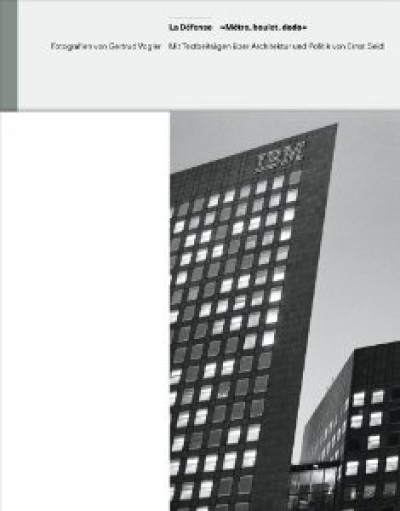
  • Gertrud Vogler

    La Défense. Métro, boulot, dodo

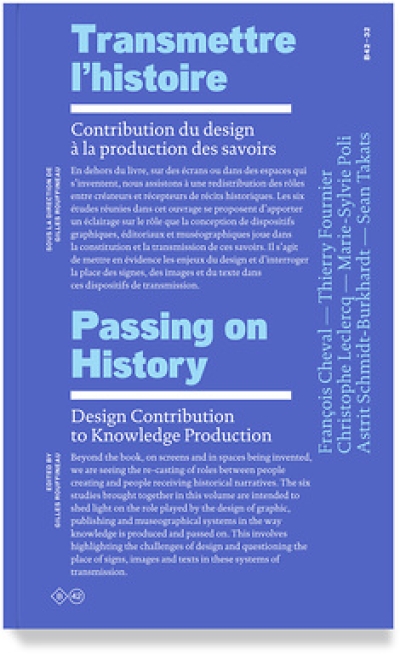
  • Gilles Rouffineau (Ed.)

    Passing On History. Design Contribution To Knowledge…

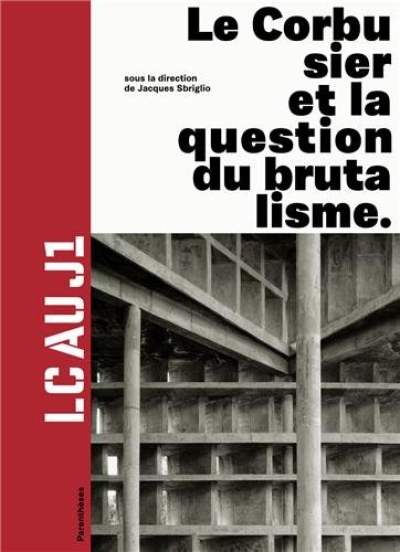
  • Jacques Sbriglio

    Le Corbusier et la question du brutalisme. LC au J1

  • Kaja Grobe, Karin Kreuder

    Always the Same Faces. Aus dem Alltag philippinischer…

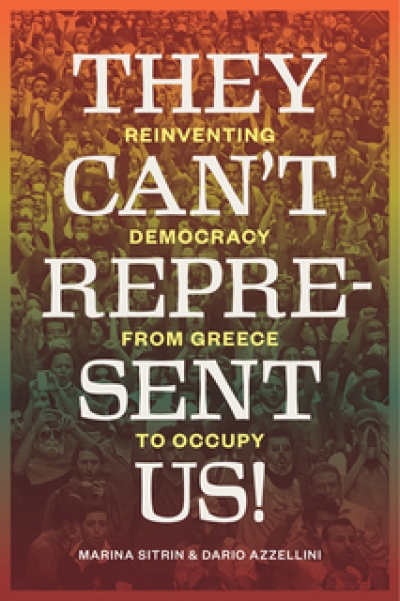
  • Dario Azzellini, Marina Sitrin

    They Can't Represent Us! Reinventing Democracy from…

  • gerade nicht auf Lager
    Deyan Sudjic

    B is for Bauhaus. An A-Z of the Modern World

  • gerade nicht auf Lager
    Cathy Lane, Angus Carlyle

    In the Field. The Art of Field Recording

  • gerade nicht auf Lager
    Helmut C. Schulitz

    Entfesselung der Architektur. Der Architekt: Baumeister…

  • Matt Mullican

    Editions 1985-2012

  • gerade nicht auf Lager
    Ljiljana Kolešnik (Ed.)

    Socialism and Modernity. Art, Culture, Politics 1950 – 1974

  • Yilmaz Dziewior (Ed.)

    Liebe ist kälter als das Kapital. Love is colder than…

  • Jens Müller (Ed.)

    Rolf Müller

  • gerade nicht auf Lager
    Gill Perry

    Playing at Home. The House in Contemporary Art

  • gerade nicht auf Lager
    Jennifer A.E. Shields

    Collage and Architecture

  • gerade nicht auf Lager
    Torsten Blume, Christian Hiller (Hg.)

    Mensch - Raum – Maschine. Bühnenexperimente am Bauhaus

  • Richard Birkett (Ed.)

    and Materials and Money and Crisis

  • gerade nicht auf Lager
    Tactical Technology Collective

    Visualising Information for Advocacy

  • IDEA Magazine

    IDEA 362. Poetics of Graphic Language. Contemporary…

  • Gianni Politi

    The Ritual of the Snake

  • Neil Brenner (Ed.)

    Implosions / Explosions. Towards a Study of Planetary…

  • gerade nicht auf Lager
    Sven Völker (Ed.)

    Some Book. Graphic Expressions between Design and Art

  • gerade nicht auf Lager
    Joanne Finkelstein

    Fashioning Appetite. Restaurants and the Making of Modern…

  • Gunnar Hindrichs

    Die Autonomie des Klangs - Eine Philosophie der Musik

  • Daniel Irrgang, Clemens Jahn (Hg.)

    Forum zur Genealogie des MedienDenkens II. Siegfried…

  • Texte zur Kunst Heft 92

    Architecture / Architektur

  • Philipp Misselwitz, Eui Young Chun,…

    Gwangju Folly II

  • Aleksandra Mir

    The Space Age. Poster Book

  • Sergio B. Martins

    Constructing an Avant-Garde. Art in Brazil 1949-1979

  • Centrum Architektury (Ed.)

    For Example. New Polish House. A Book

  • metroZones 13

    Global Prayers. Contemporary Manifestations of the…

  • gerade nicht auf Lager
    Beatriz Preciado

    Testo Junkie. Sex, Drugs, and Biopolitics in the…

  • Rajan V. Ritoe (Ed.)

    Future Times Square. Compression vs. Distribution

  • Luis Burriel Bielza

    Le Corbusier. La passion des cartes

  • gerade nicht auf Lager
    Douglas Kahn

    Earth Sound Earth Signal

  • Dietmar Offenhuber, Carlo Ratti (Hg.)

    Die Stadt entschlüsseln. Wie Echtzeitdaten den Urbanismus…

  • Dietmar Dath, Swantje Karich

    Lichtmächte. Kino – Museum – Galerie – Öffentlichkeit

  • Yael Bartana

    Wenn Ihr wollt, ist es kein Traum. If you will it, it is…

  • Julia Czerniak (Ed.)

    Formerly Urban. Projecting Rust Belt Futures

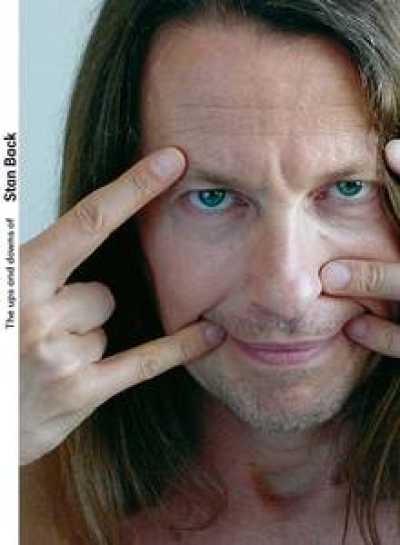
  • Stefan Römer

    The ups and downs of Stan Back

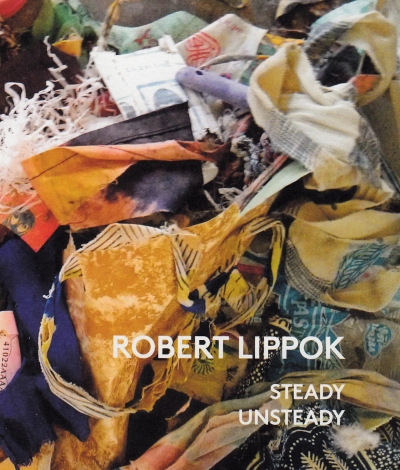
  • Robert Lippok

    Steady Unsteady

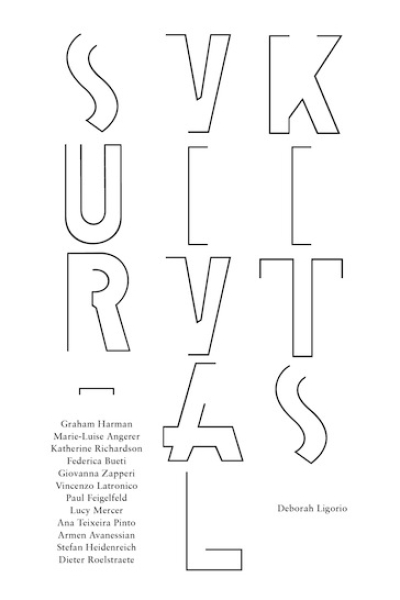
  • Deborah Ligorio

    Survival Kits

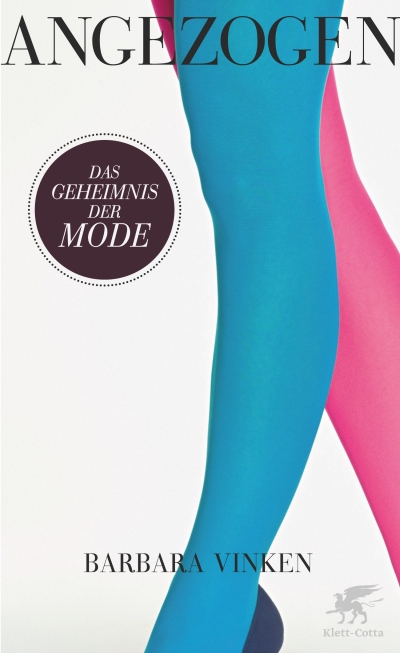
  • Barbara Vinken

    Angezogen. Das Geheimnis der Mode

  • Heimo Lattner

    A Voice That Once Was In One's Mouth

  • gerade nicht auf Lager
    Turit Fröbe

    Die Kunst der Bausünde

  • IFA (Ed.)

    Future Perfect. Contemporary Art from Germany

  • Wilfried Wang, Dan Sylvester (Hg.)

    Hans Scharoun. Philharmonie

  • Chair of Prof. Dr. Josep Lluís Mateo…

    Middle East. Landscape City Architecture

  • Anna Schober

    The Cinema Makers. Public Life and the Exhibition of…

  • von Borries, Ahlert, Fischer (Hrsg.)

    Die Berliner Weltverbesserungsmaschine. Die Rekonstruktion…

  • Friedrich von Borries, Jens-Uwe Fischer

    Die Berliner Weltverbesserungsmaschine. Die Geschichte…

  • Sven Lütticken

    History in Motion. Time in the Age of the Moving Image

  • Kevin C. Smith

    Recombo DNA. The Story of Devo, or How the 60s Became the…

  • Bastian Lange, Gottfried Prasenc,…

    Ortsentwürfe. Urbanität im 21. Jahrhundert

  • Claudia Mareis, Matthias Held, Gesche…

    Wer gestaltet die Gestaltung? Praxis, Theorie und…

  • Jean-Luc Nancy

    Äquivalenz der Katastrophen (Nach Fukushima)

  • gerade nicht auf Lager
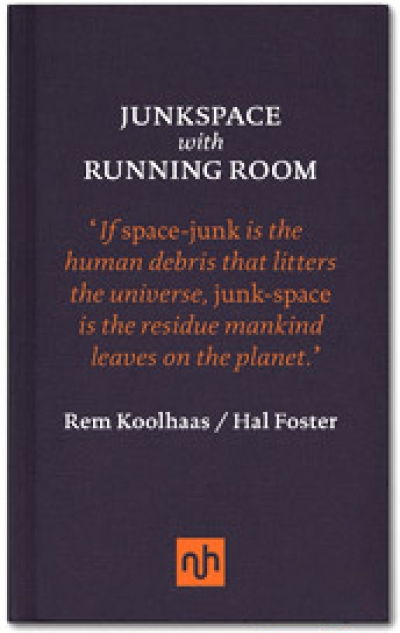
    Rem Koolhaas, Hal Foster

    Junkspace with Running Room

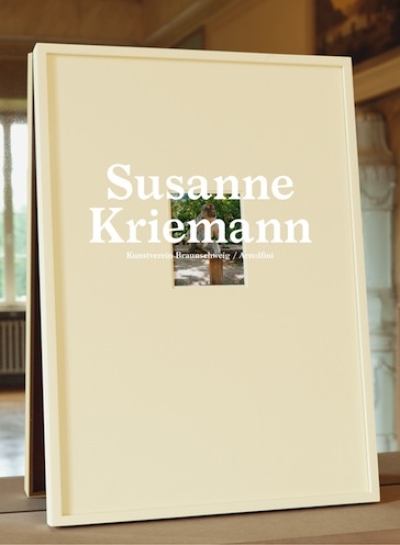
  • Hilke Wagner, Axel Wieder (Eds.)

    Susanne Kriemann

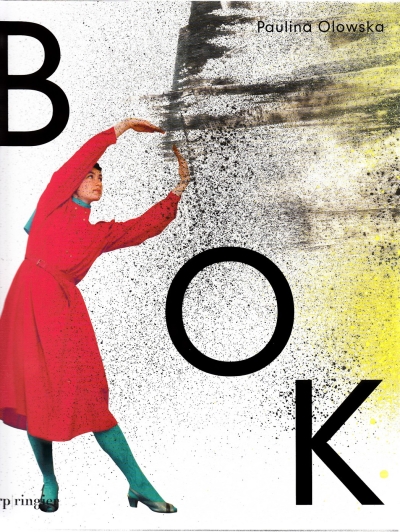
  • Lionel Bovier

    Paulina Olowska. Book

  • Anri Sala

    Ravel Ravel Unravel

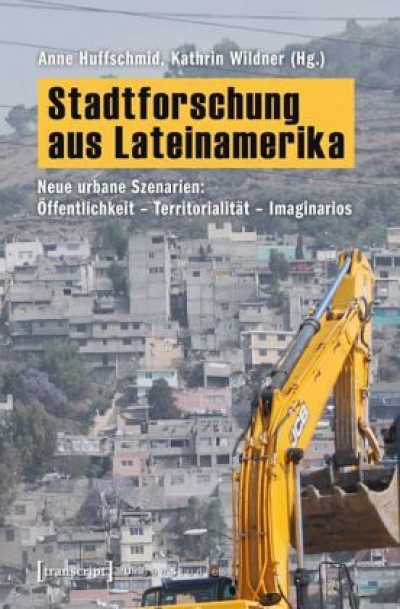
  • Anne Huffschmid, Kathrin Wildner (Hg.)

    Stadtforschung aus Lateinamerika: Neue urbane Szenarien.…

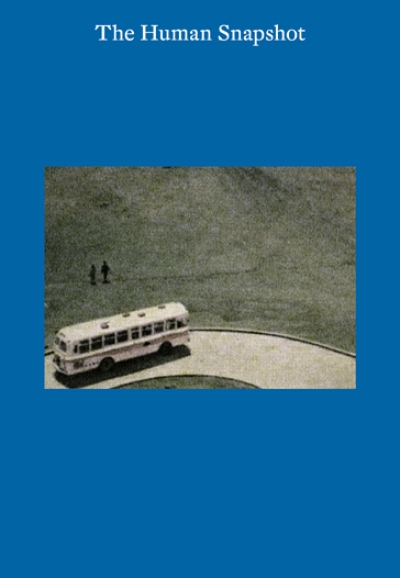
  • Thomas Keenan, Tirdad Zolghadr (Eds.)

    The Human Snapshot

  • gerade nicht auf Lager
    Between Artists

    Thom Andersen / William E. Jones

  • Heidrun Holzfeind

    Strictly Private

  • gerade nicht auf Lager
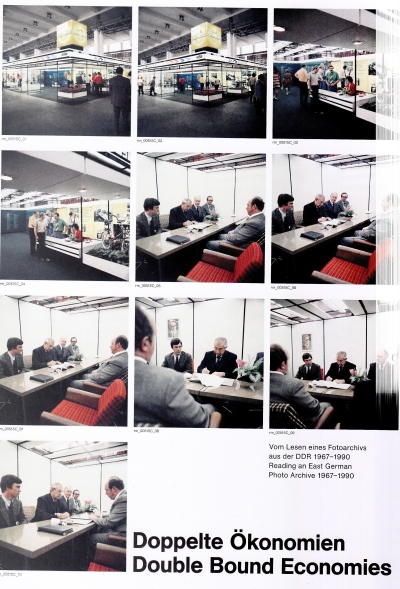
    Doreen Mende, Estelle Blaschke, Armin…

    Doppelte Ökonomien / Double Bound Economies

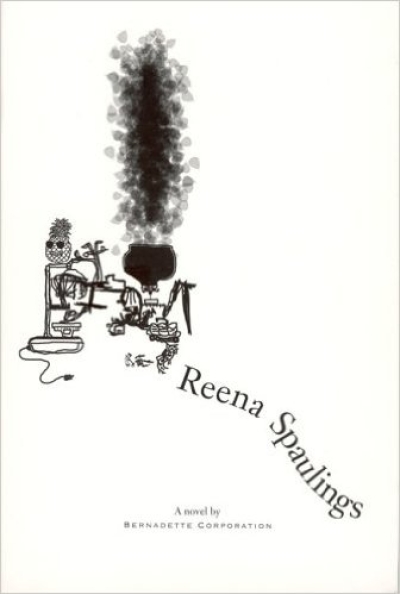
  • Bernadette Corporation

    Reena Spaulings. A Novel by Bernadette Corporation

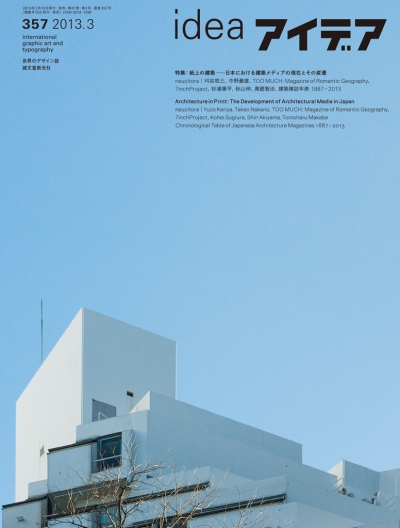
  • IDEA Magazine

    IDEA 357. Architecture in Print: The Development of…

  • Klaus Zwerger

    Das Holz und seine Verbindungen. Traditionelle Bautechniken…

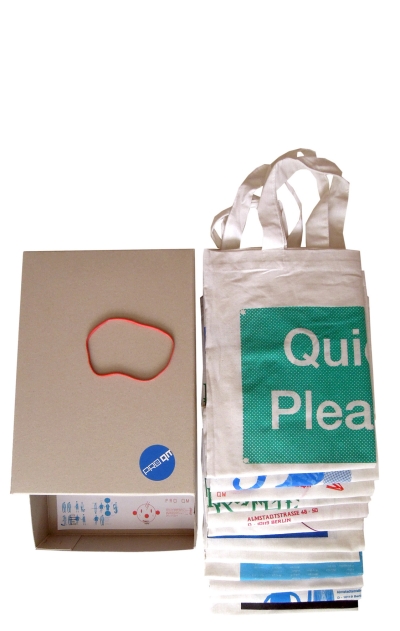
  • Abäke, Bernadette Corporation, Laurenz…

    Sonderedition Zwölf Taschen für Pro qm

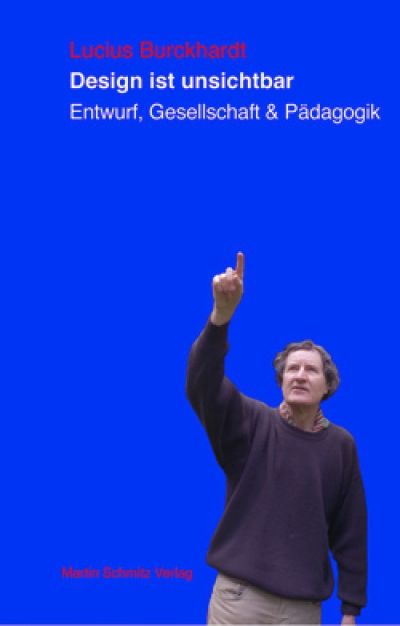
  • Lucius Burckhardt

    Design ist unsichtbar. Entwurf, Gesellschaft und Pädagogik

  • Dietmar Kammerer (Hg)

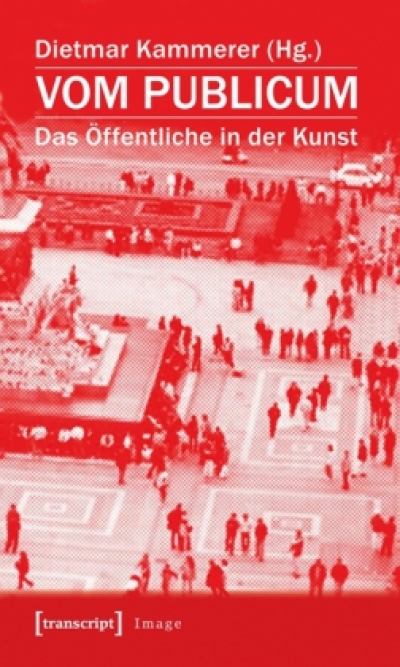
    Vom Publicum. Das Öffentliche in der Kunst

  • Studienhefte Problemorientiertes Design…

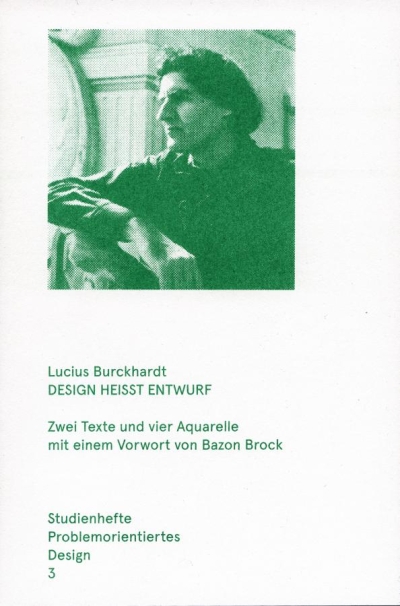
    Lucius Burckhardt. Design heisst Entwurf

  • Studienhefte Problemorientiertes Design…

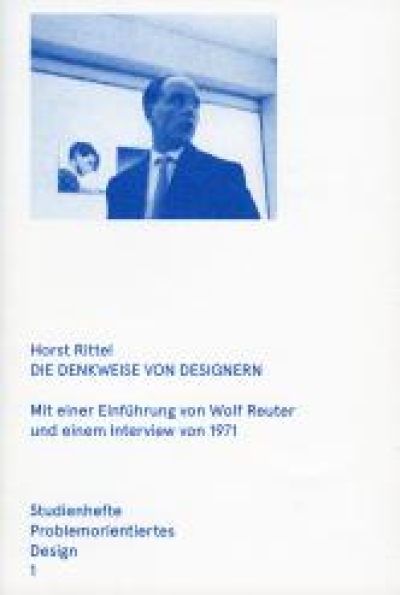
    Horst Rittel. Die Denkweise von Designern

  • gerade nicht auf Lager
    Gerald Raunig

    Fabriken des Wissens. Streifen und Glätten 1

  • Annette Wehrmann

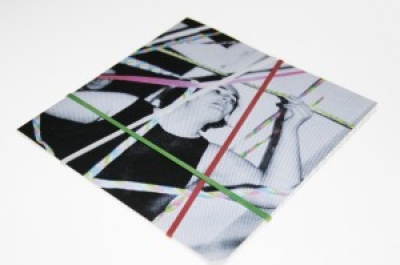
    Luftschlangentexte

  • Oda Pälmke (Hg.)

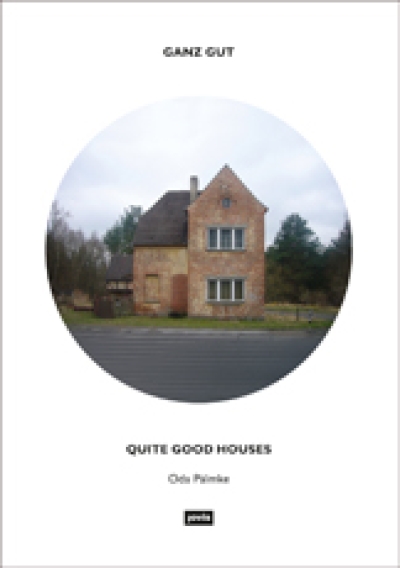
    Ganz gut – Quite Good Houses

  • Mårten Spångberg

    Spangbergianism

  • Rem Koolhaas, Hans Ulrich Obrist (Hg.)

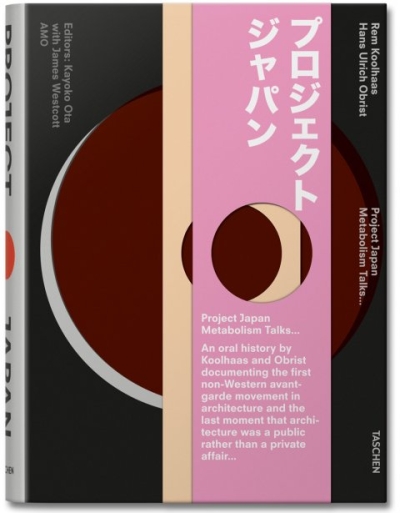
    Project Japan. An Oral History of Metabolism

  • gerade nicht auf Lager
    metroZones (Hg.)

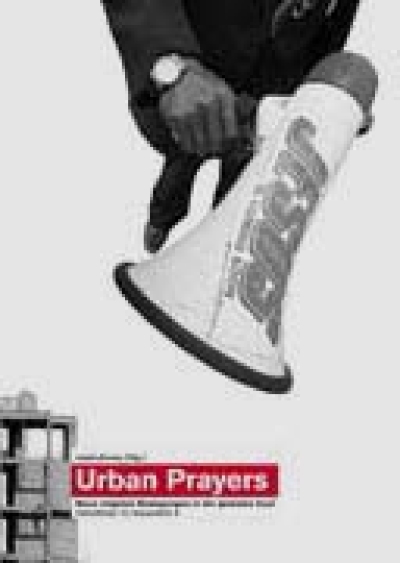
    Urban Prayers – Neue religiöse Bewegungen in der globalen…

  • Byung-Chul Han

    Shanzhai. Dekonstruktion auf Chinesisch

  • gerade nicht auf Lager
    O.M. Ungers

    Morphologie City Metaphors

  • Bettina Allamoda

    Catwalk to History - A Sourcebook

  • Martin Ebner, Florian Zeyfang (Hg.)

    Poor Man’s Expression

  • Caleb Kelly (Hg.)

    Sound (Documents of Contemporary Art)

  • gerade nicht auf Lager
    Gwen Allen

    Artists' Magazines. An Alternative Space for Art [pb]

The Other Architect. Exhibition: Canadian Centre for Architecture in Montréal

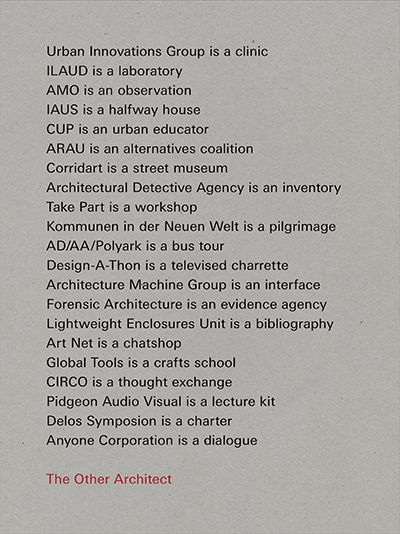
Welche Art von Ansätzen erfinden und machen sich Architekten zu eigen, um ihre Ideen jenseits traditioneller Entwurfspraxis zu reflektieren? – Diese kommentierte Sammlung von Originaldokumenten mit Fallbeispielen von 1960 bis heute ist ein Beleg für experimentelle Orte, Methoden und Instrumente, die Architekten für ihre Recherche nutzen und die ihre gegenwärtigen Fragestellungen prägen. Viele davon beginnen als Improvisationen in traditionellen Formen: als Konferenzen, Bücher oder in Universitätsstudios, entwickeln sich dann aber in unerwartete Richtungen weiter. Die ausgewählten Beispiele kommen aus Archiven von Recherche orientierten Organisationen wie IAUS (The Institute for Architecture and Urban Studies ), das als 'ein Zwischending zwischen Schule und Büro' entworfen wurde, den Sommerschulvereinigungen wie ILAUD (The International Laboratory of Architecture and Urban Design), dem schwimmenden Delos Symposium und anderen provisorischen Plattformen. Im Ganzen zeigen die Beispiele, wie Architekten eine kulturelle Agenda ohne die Intervention von gebauten Formen konstruieren können. Ein Buch, das die Ausstellung 'The Other Architect' im Canadian Centre for Architecture in Montréal (27. October 2015 – 3. April 2016) begleitet.
What kinds of approaches do architects invent and appropriate to reflect on their ideas outside of traditional design practices? Considering case studies from the 1960s to today, this annotated collection of primary documents presents evidence of experimental venues, methods, and tools that architects have used to research and shape the urgent issues of their time. Many of these begin as improvisations on traditional forms like conferences, books, and university studios before developing in unexpected directions; examples come from the archives of research-based organisations like IAUS (The Institute for Architecture and Urban Studies) who created a “halfway house between school and office”, research consortia like ILAUD (The International Laboratory of Architecture and Urban Design), the floating Delos Symposia, and other temporary platforms. Together, they reveal how architects can construct a cultural agenda without the intervention of built form. A book complementing the exhibition The Other Architect at the Canadian Centre for Architecture, Montreal, 27 October 2015 – 3 April 2016.
414 pp., ca. 250 facsimiles and colour images, thread-sewn softcover, English
For as long as architecture has been reduced to a service to society or an “industry” whose ultimate goal is only to build, there have been others who imagine it instead as a field of intellectual research: energetic, critical, and radical.
But how can we produce or maintain this position?
In the history of architecture, especially since the 1960s, there has been a proliferation of experiments representing the work of architects who ventured to creatively and thoroughly rethink every aspect of the profession. Moved by a desire to contribute more substantially and more actively to the construction of a cultural agenda, they critically analyzed their roles and challenged the precepts and ultimate goals of the discipline.
From a set of varied approaches drawn from many people, places, and times, the other architect emerges: searching for different operating models, aiming for collaborative strategies, introducing strange concepts, and experimenting with new kinds of tools. The result is an ample array of possibilities: Urban Innovations Group, ILAUD (International Laboratory of Architecture and Urban Design), AMO, IAUS (Institute for Architecture and Urban Studies), CUP (Center for Urban Pedagogy), ARAU (Atelier de recherche et d’action urbaines), Architects’ Revolutionary Council, Corridart, Architectural Detective Agency, Take Part Workshop, Kommunen in der Neuen Welt, AD/AA/Polyark, Design-A-Thon, Architecture Machine Group, Forensic Architecture, Multiplicity, Art Net, Global Tools, CIRCO, Pidgeon Audio Visual, Delos Symposion, and Anyone Corporation.
Observing and analyzing these experiences can supply us with an operating manual for critically engaging with the urgent issues of our time, an unusual and hopefully compelling collection that contains many methods, tools, and ideas for new ways of defining architecture.
These investigative models represent a new approach relying equally on their proposed themes and on their sets of operating strategies, working methods, organizational structures, and financial models. These efforts left marks in letters, books, drawings, photographs, budgets, tactics for accessing resources, videos, mission statements, meeting minutes, T-shirts, boats, and buses. Reading the traces lets us begin to understand the other architect’s ingenuity and consider different ways of defining the roles and responsibilities of architecture.
Together, these experiments point beyond what architecture is toward what architecture could be, or what it already is, if we would recognize it: not just a practice that inevitably brings about the construction of an artifact, but a way of thinking and observing the present and the society in which we operate; of identifying and asking questions while marking a new territory on which to act; of looking for or inventing suitable tools; and, finally, of responding generously and concisely.
–Giovanna Borasi
The Other Architect is also a book, edited by Giovanna Borasi with contributions by Florencia Alvarez, Pep Avilés, Greg Barton, Samuel Dodd, Isabelle Doucet, Ole W. Fischer, Anna Foppiano, Kim Förster, Owen Hatherley, Larissa Harris, Alison B. Hirsch, Douglas Moffat, Whitney Moon, Pierluigi Nicolin, Kayoko Ota, Panayiota Pyla, Angela Rui, Deane Simpson, Johanne Sloan, Molly Wright Steenson, Rebecca Taylor, and Mirko Zardini. A co-publication with Spector Books, Leipzig, designed by Jonathan Hares (Lausanne and London). 416 pages and over 300 colour facsimiles of traces left in letters, books, drawings, photographs, budgets, videos, mission statements, meeting minutes, T-shirts, boats, and buses.


Giovanna Borasi (Ed.)
The Other Architect. Exhibition: Canadian Centre for Architecture in Montréal
Spector, 2015, 978-3-95905-040-1
gerade nicht auf Lager