




Direkt zum Inhalt

Warenkorb

  • Alain Badiou

    Wofür steht der Name Sarkozy?

  • gerade nicht auf Lager
    Donna Haraway

    Die Neuerfindung der Natur. Primaten, Cyborgs und Frauen.

  • gerade nicht auf Lager
    Stefanie Schulte Strathaus, Florian…

    Wer sagt denn, dass Beton nicht brennt, hast Du’s probiert?

  • gerade nicht auf Lager
    Henri Lefebvre

    Writings on Cities

  • Loretta Napoleoni

    Rogue Economics. Capitalism's New Reality

  • AD

    AD 174. Vol. 75. Nr. 2. Samantha Hardingham. The 1970'…

  • An Architektur

    An Architektur 18: Camp for Oppositional Architecture:…

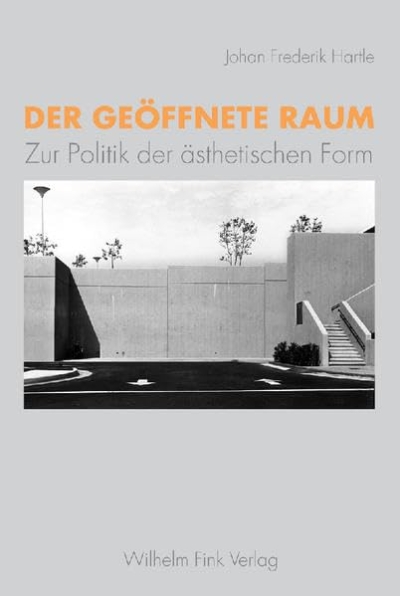
  • Johan Frederik Hartle

    Der geöffnete Raum. Zur Politik der ästhetischen Form

  • An Architektur

    An Architektur 16-17

  • Vera Beyer, Jutta Voorhoeve, Anselm…

    Das Bild ist der König. Repräsentation nach Louis Marin

  • An Architektur

    An Architektur 15 / FFM 11: Europäische…

  • An Architektur

    An Architektur 14: Camp for Oppositional Architecture

  • An Architektur

    An Architektur 11-13: Theorie und Praxis der Kartografie

  • An Architektur

    An Architektur 10: Gemeinschaftsräume

  • An Architektur

    An Architektur 04-09: Krieg und die Produktion von Raum

  • IDEA Magazine

    IDEA 296. Books <preposition> graphic design

  • IDEA Magazine

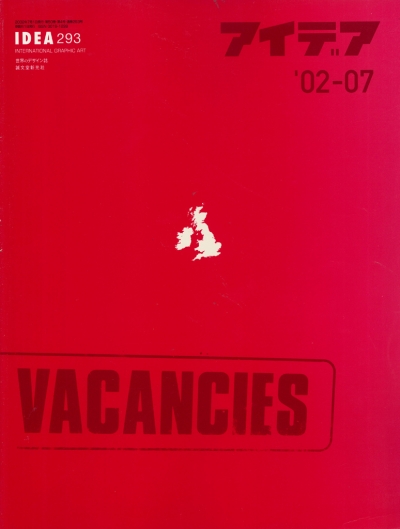
    IDEA 293. Stanley Donwood / Vacances. DD-DDD / Dimensions…

  • gerade nicht auf Lager
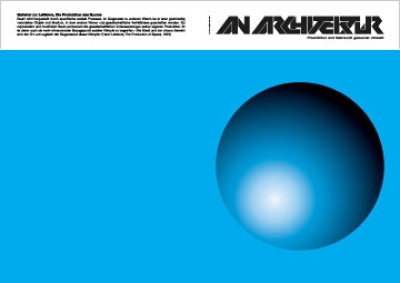
    An Architektur

    An Architektur 01-03

  • Pro qm

    Gutschein / Voucher

  • Siegfried Kracauer

    Das Ornament der Masse. Essays

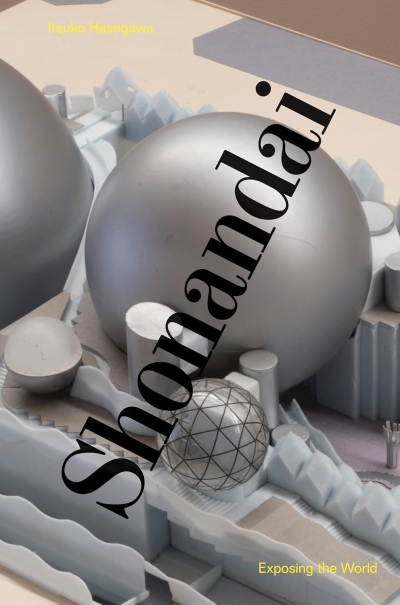
Cover Itsuko Hasegawa. Shonandai

Itsuko Hasegawa. Shonandai - Exposing the World

Everything Without Content 242

This book focuses solely on the Shonandai cultural centre, the first major public project of Itsuko Hasegawa. It is the unlikely successor to the previous books we made on the works of Aldo and Hannie Van Eyck and Giancarlo de Carlo. Shonandai belongs to a different time ―1980s― and a different place ―Japan― but it shares the desire of the earlier generations to ‘overcome’ modernism. Hasegawa achieves this most outlandish way, possible perhaps only in Japan in the 1980s. This is where the 1960s techno-avant-garde comes full circle. The building is presented with photographs by Stefano Graziani, as well as technical drawings. This book is part of the Everything without Content series by Kersten Geers, Jelena Pancevac and Joris Kritis. Are you participating again? Photograph: Stefano Graziani.


Itsuko Hasegawa, Kersten Geers, Jelena Pancevac (Eds)
Itsuko Hasegawa. Shonandai - Exposing the World

Everything Without Content 242

Walt­her & Franz König, 2025, 9783753307848
39,80 €