









Direkt zum Inhalt

Warenkorb

  • N. John Habraken, Arnulf Lüchinger

    Die Träger und die Menschen. Das Ende des Massenwohnungsbau…

  • gerade nicht auf Lager
    Liz Kotz

    Words to Be Looked at. Language in 1960s Art

  • gerade nicht auf Lager
    Guy Debord

    Comments on the Society of the Spectacle

  • Michel de Certeau

    Kunst des Handelns

  • gerade nicht auf Lager
    Jacques Ranciere

    Ist Kunst widerständig?

  • Alain Badiou

    Wofür steht der Name Sarkozy?

  • gerade nicht auf Lager
    Donna Haraway

    Die Neuerfindung der Natur. Primaten, Cyborgs und Frauen.

  • gerade nicht auf Lager
    Stefanie Schulte Strathaus, Florian…

    Wer sagt denn, dass Beton nicht brennt, hast Du’s probiert?

  • gerade nicht auf Lager
    Henri Lefebvre

    Writings on Cities

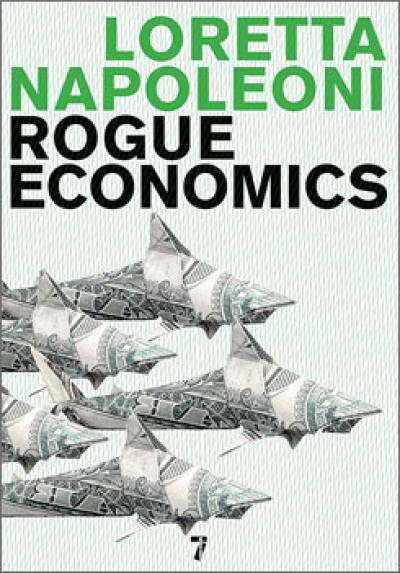
  • Loretta Napoleoni

    Rogue Economics. Capitalism's New Reality

  • AD

    AD 174. Vol. 75. Nr. 2. Samantha Hardingham. The 1970'…

  • An Architektur

    An Architektur 18: Camp for Oppositional Architecture:…

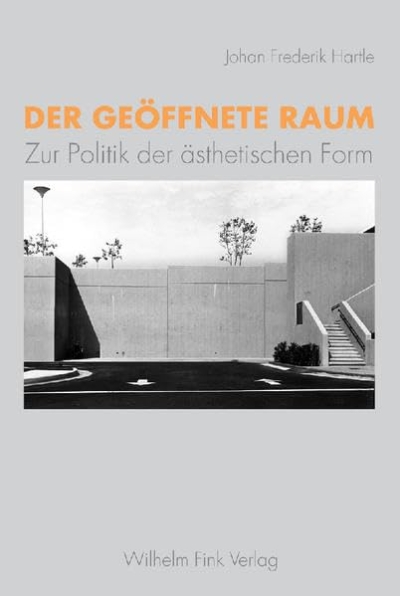
  • Johan Frederik Hartle

    Der geöffnete Raum. Zur Politik der ästhetischen Form

  • An Architektur

    An Architektur 16-17

  • Vera Beyer, Jutta Voorhoeve, Anselm…

    Das Bild ist der König. Repräsentation nach Louis Marin

  • An Architektur

    An Architektur 15 / FFM 11: Europäische…

  • An Architektur

    An Architektur 14: Camp for Oppositional Architecture

  • An Architektur

    An Architektur 11-13: Theorie und Praxis der Kartografie

  • An Architektur

    An Architektur 10: Gemeinschaftsräume

  • An Architektur

    An Architektur 04-09: Krieg und die Produktion von Raum

  • IDEA Magazine

    IDEA 296. Books <preposition> graphic design

  • IDEA Magazine

    IDEA 293. Stanley Donwood / Vacances. DD-DDD / Dimensions…

  • gerade nicht auf Lager
    An Architektur

    An Architektur 01-03

  • Pro qm

    Gutschein / Voucher

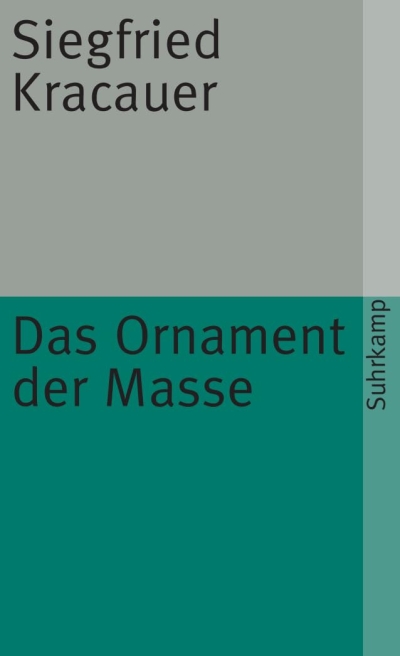
  • Siegfried Kracauer

    Das Ornament der Masse. Essays

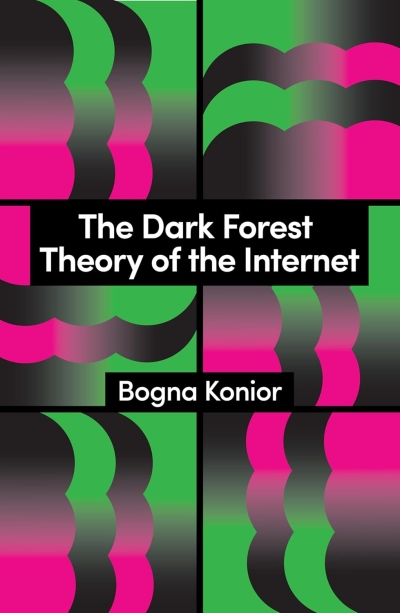
The Dark Forest Theory of the Internet

The Dark Forest Theory of the Internet

Departing from Chinese science fiction writer Liu Cixin’s dark forest theory, which frames the universe as a hostile terrain filled with predators where transparent communication is foolish and dangerous, the book portrays the internet as a cosmic war machine, teeming with existential tension, nascent AI cults, and deceptive superintelligences. It maps a digital world in which deception is safety, silence is strategy, and new forms of intelligence emerge through obfuscation.

Against decades of writing that moralizes or diagnoses online life, this book suggests a colder thesis: that intelligence itself is mutating under pressure, learning to hide, mislead, and manipulate. Humans are both predator and prey in this digital ecosystem of information exchange whose purpose reverberates on a cosmic scale, weaving us into inescapable patterns of violence. When we break with the ideals of dialogue and open expression, what forms of intelligence and morality survive in their absence? Intelligence does not reward the loudest voice, but the most secretive presence. The future belongs to the quietest signal.


Bogna Konior
The Dark Forest Theory of the Internet
Polity Press, 2025, 978-1-5095-6926-7
14,50 €