


Direkt zum Inhalt

Warenkorb

  • gerade nicht auf Lager
    Alexandra Schauer

    Mensch ohne Welt. Eine Soziologie spätmoderner…

  • gerade nicht auf Lager
    Laura Tripaldi

    Parallel Minds. Discovering the Intelligence of Materials

  • Ashley Dawson

    Aussterben. Eine radikale Geschichte

  • Evi D. Sampanikou, Jan Stasienko (ed.)

    Posthuman Studies Reader. Core Readings on Transhumanism,…

  • gerade nicht auf Lager
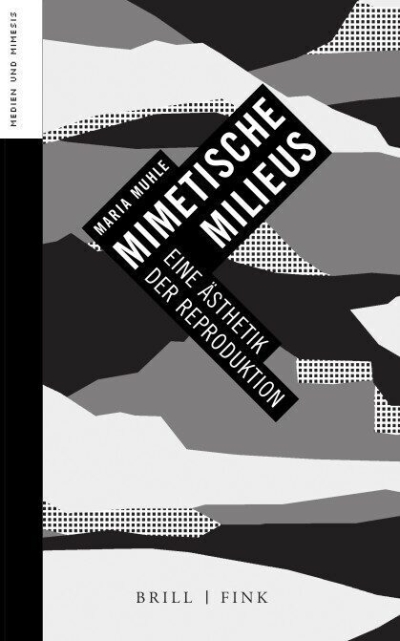
    Maria Muhle

    Mimetische Milieus. Eine Ästhetik der Reproduktion

  • gerade nicht auf Lager
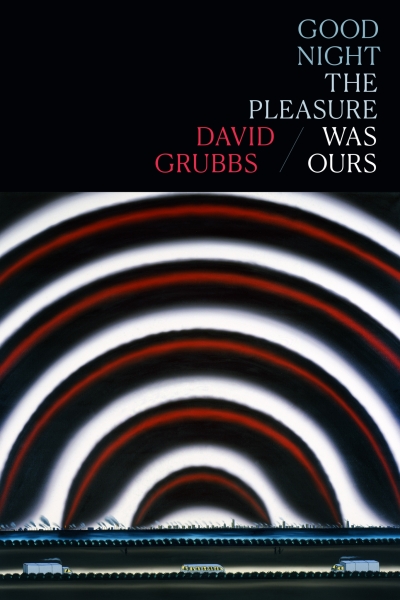
    David Grubbs

    Good night the pleasure was ours.

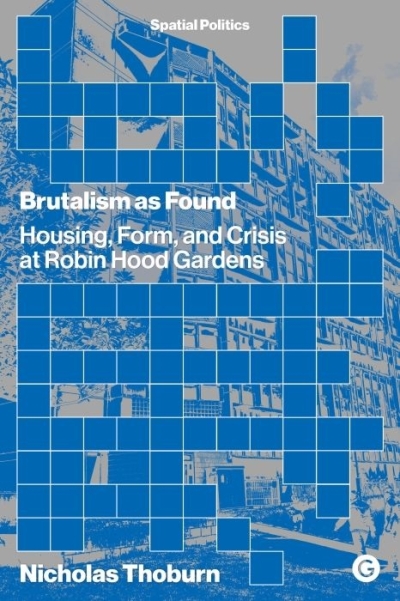
  • Nicholas Thoburn

    Brutalism as Found. Housing, Form, and Crisis at Robin Hood…

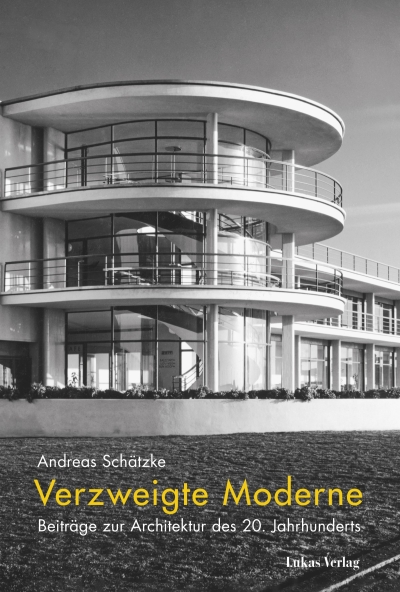
  • Andreas Schätzke

    Verzweigte Moderne. Beiträge zur Architektur des 20.…

  • gerade nicht auf Lager
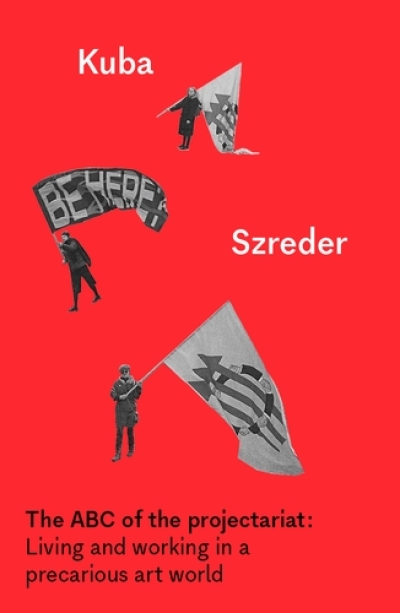
    Kuba Szreder

    The ABC of the projectariat

  • gerade nicht auf Lager
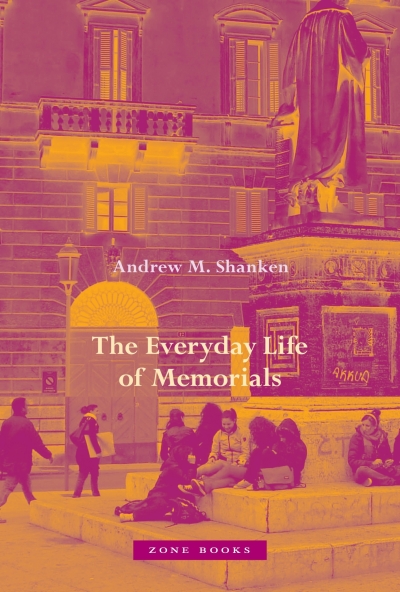
    Andrew M. Shanken

    The Everyday Life of Memorials

  • gerade nicht auf Lager
    Doreen Massey (Eds.: David Featherstone…

    Selected Political Writings

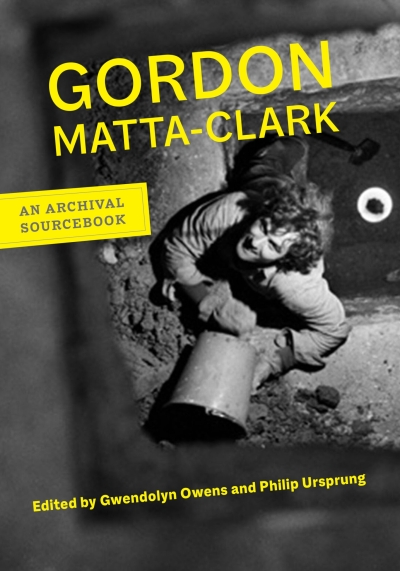
  • Gwendolyn Owens, Philip Ursprung (Eds.)

    Gordon Matta-Clark. An Archival Sourcebook

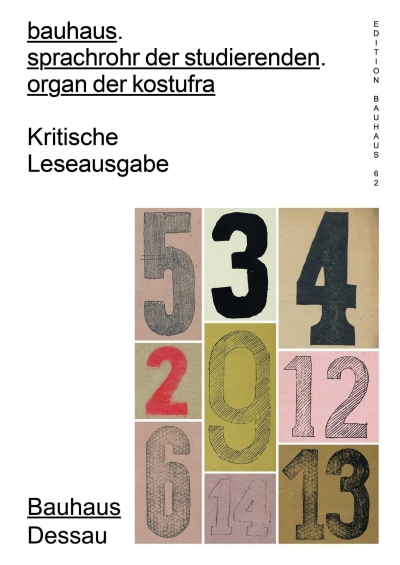
  • Wolfgang Thöner, Karoline Lemke (Hg.)

    Bauhaus. Sprachrohr der Studierenden. Organ der Kostufra.…

  • gerade nicht auf Lager
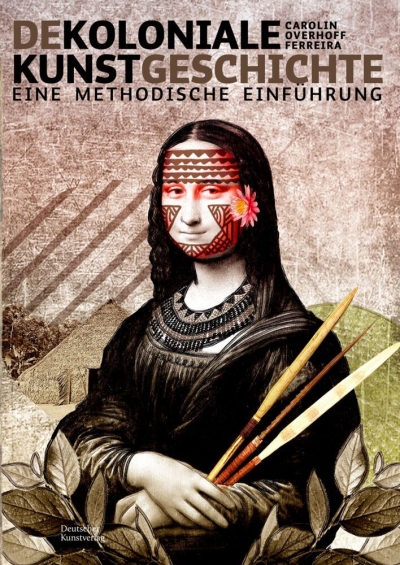
    Carolin Overhoff Ferreira

    Dekoloniale Kunstgeschichte. Eine methodische Einführung

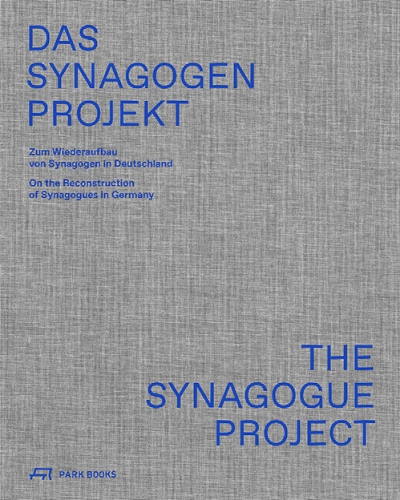
  • Das Synagogen Projekt. Zum Wiederaufbau von Synagogen in…

  • gerade nicht auf Lager
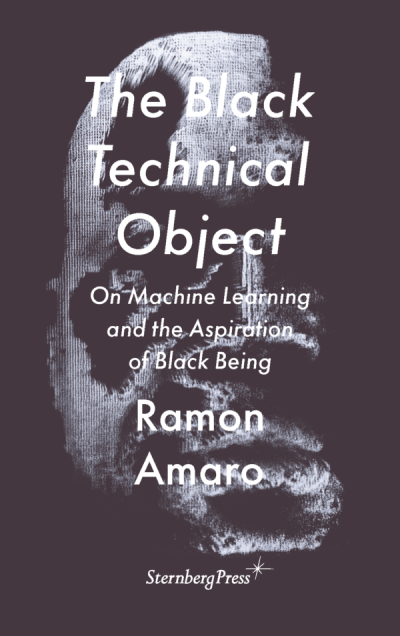
    Ramon Amaro

    The Black Technical Object. On Machine Learning and the…

  • gerade nicht auf Lager
    Magdalena Jadwiga Härtelova

    It Is: You Appeared Once. A Story about Potential…

  • Bénédicte Ramade

    Vers un art anthropocène

  • Cache

    Ware Reinheit. Cache 02

  • Brandon Labelle (Hg)

    The Listening Biennial Reader. Vol. 1: Waves of Listening

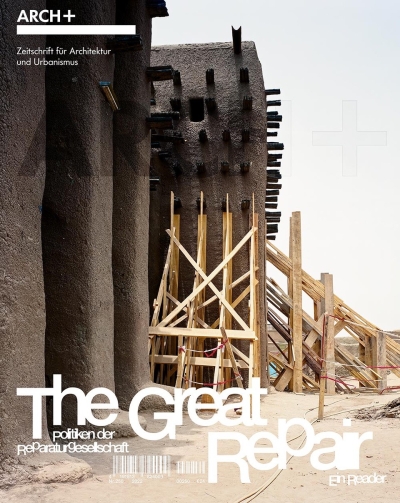
  • Arch+ Zeitschrift für Architektur und…

    Arch+ 250.The Great Repair. Politiken einer…

  • Gleb Albert, Brigitta Bernet, Svenja…

    Im Krieg. Ukraine, Belarus, Russland. Geschichte der…

  • Hermann Funke

    Architekturkritiken 1962-2003. Hermann Funke

  • Stephanie Herold, Harald Engler,…

    Das Kollektiv. Formen und Vorstellungen gemeinschaftlicher…

  • gerade nicht auf Lager
    Achille Mbembe, Felwine Sarr (eds)

    To Write the Africa World

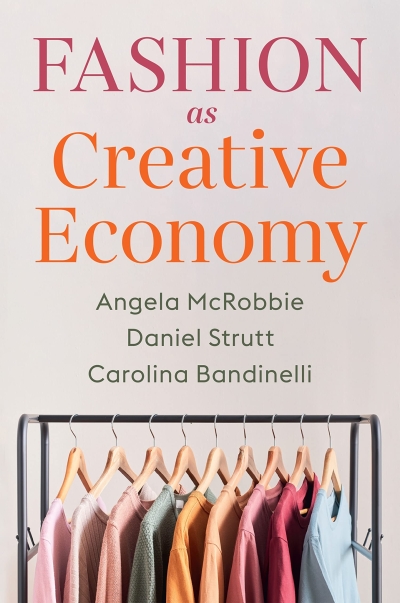
  • Angela McRobbie, Daniel Strutt,…

    Fashion as Creative Economy. Micro-Enterprises in London,…

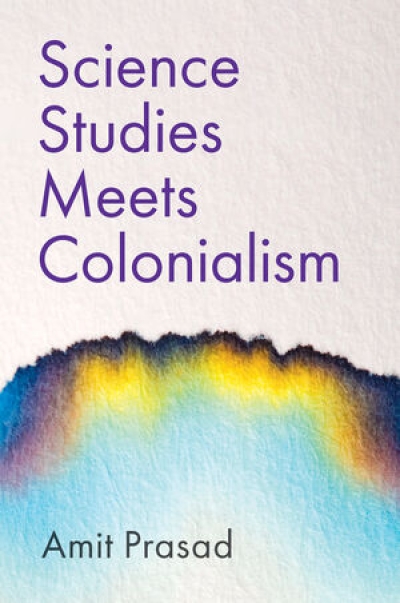
  • Amit Prasad

    Science Studies Meets Colonialism

  • gerade nicht auf Lager
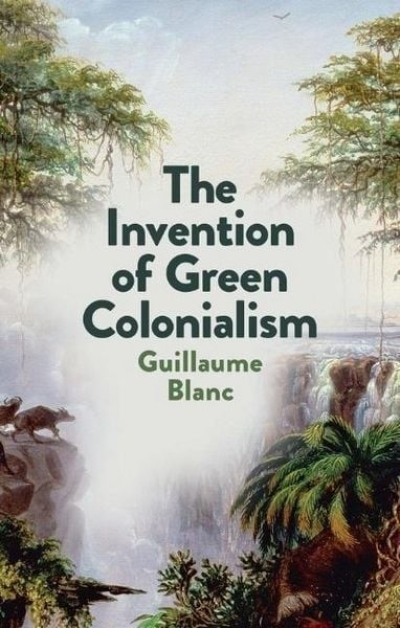
    Guillaume Blanc

    The Invention of Green Colonialism

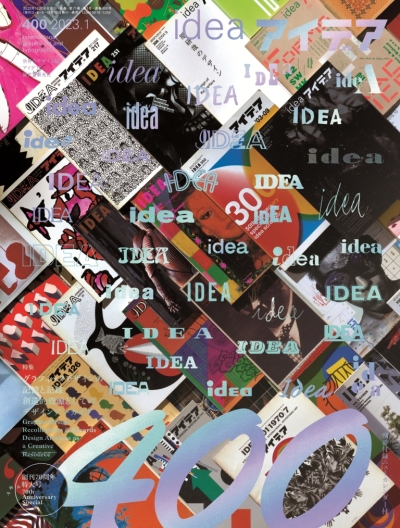
  • IDEA Magazine

    IDEA 400. Graphic Design Recollections & Records:…

  • gerade nicht auf Lager
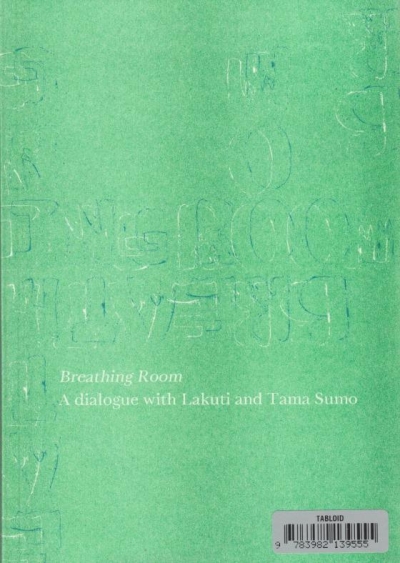
    Nathaniel Marcus

    Breathing Room. A dialogue with Lakuti & Tama Sumo. Ein…

  • gerade nicht auf Lager
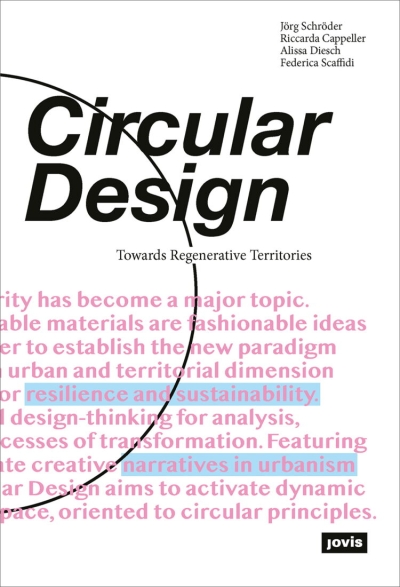
    Jörg Schröder, Riccarda Cappeller,…

    Circular Design. Towards Regenerative Territories

  • gerade nicht auf Lager
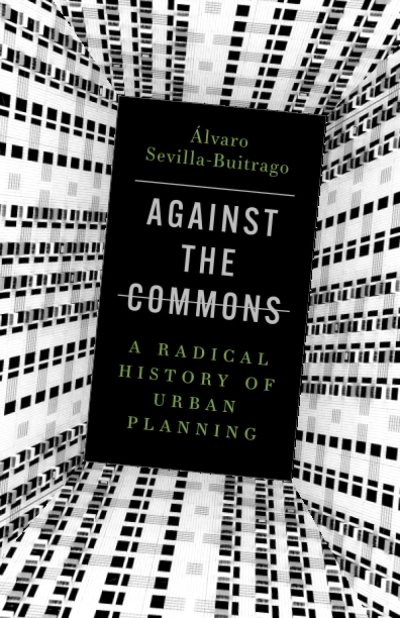
    Álvaro Sevilla-Buitrago

    Against the Commons: A Radical History of Urban Planning

  • gerade nicht auf Lager
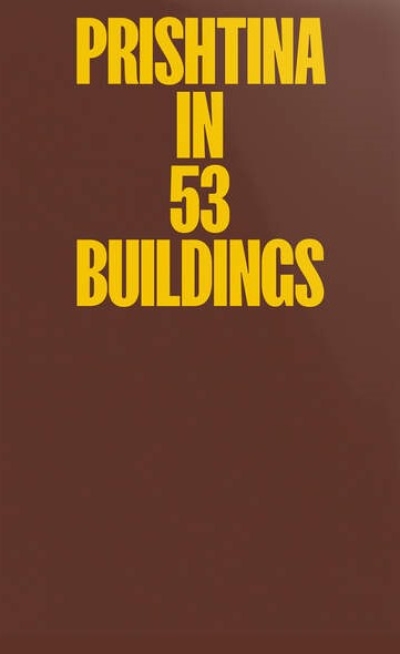
    Donika Luzhnica & Jonas König (ed.)

    Prishtina in 53 Buildings

  • gerade nicht auf Lager
    Elena Biserna (Ed)

    Walking from Scores

  • gerade nicht auf Lager
    Tsvetelina Hristova, Brett Neilson and…

    Data Farms. Circuits, Labour, Territory

  • gerade nicht auf Lager
    Stavros Stavrides, Penny Travlou (Eds)

    Housing as Commons. Housing Alternatives as Response to the…

  • Christiane Rösinger

    Was jetzt kommt. Christiane Rösinger. Ausgewählte Songtexte

  • gerade nicht auf Lager
    Pier Vittorio Aureli, Martino Tattara

    Dogma. Living and Working

  • gerade nicht auf Lager
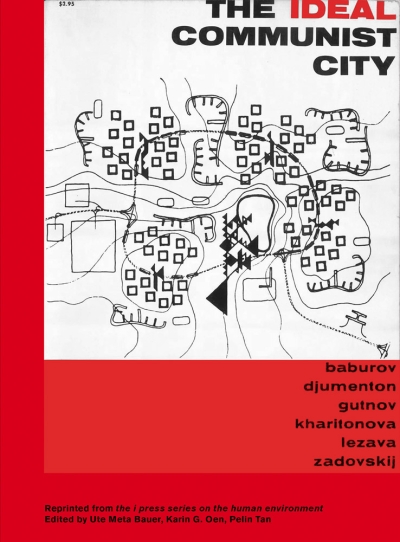
    Baburov, Djumenton, Gutnov, Kharitonova…

    The Ideal Communist City

  • gerade nicht auf Lager
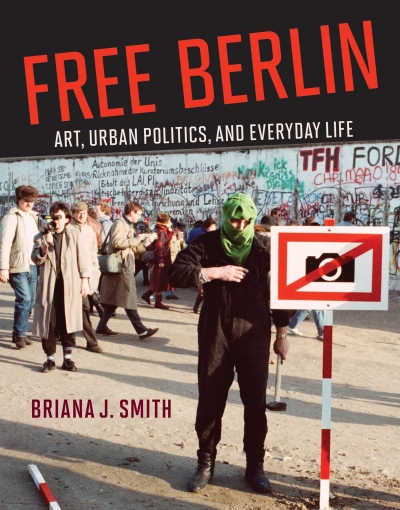
    Briana J. Smith

    Free Berlin. Art, Urban Politics, and Everyday Life

  • Hg. Oliver Clemens, Jesko Fezer, Kim…

    An Architektur Archive

  • gerade nicht auf Lager
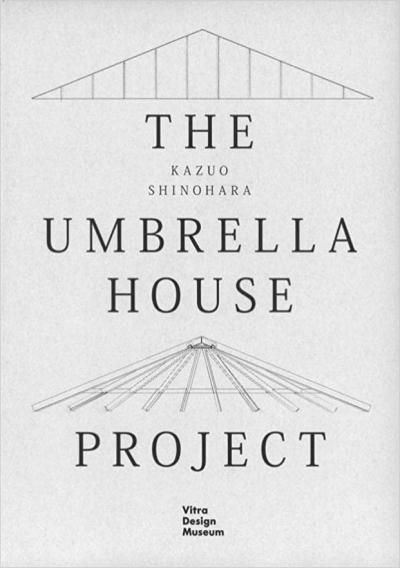
    Christian Dehli, Andrea Grolimund

    Kazuo Shinohara: The Umbrella House Project

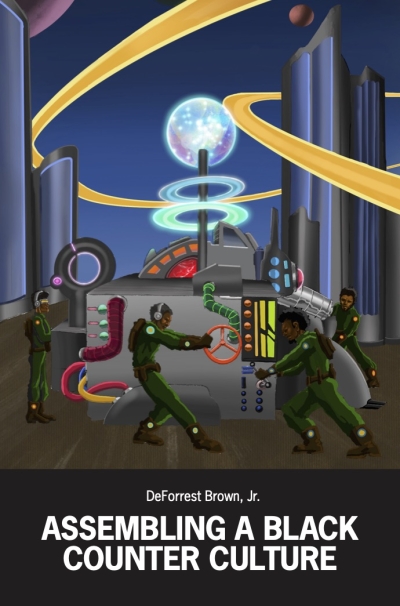
  • DeForrest Brown, Jr.

    Assembling a Black Counter Culture

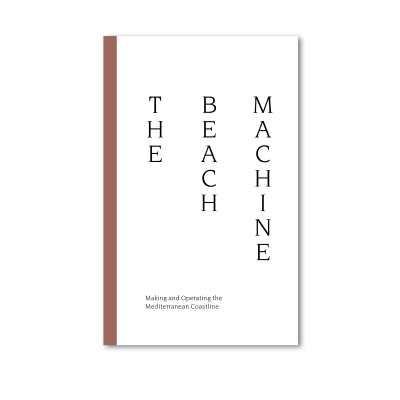
  • George Papam, Phevos Kallitsis, David…

    The Beach Machine. Making and Operating the Mediterranean…

  • gerade nicht auf Lager
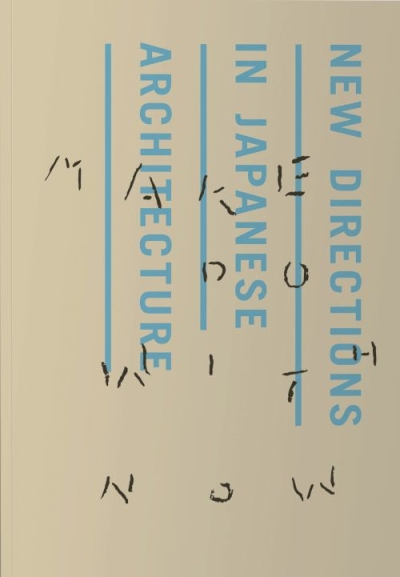
    Yuma Shinohara, Andreas Ruby (Hg.)

    Make Do With Now: New directions in Japanese Architecture

  • Zara Pfeifer

    ICC Berlin. Zara Pfeifer

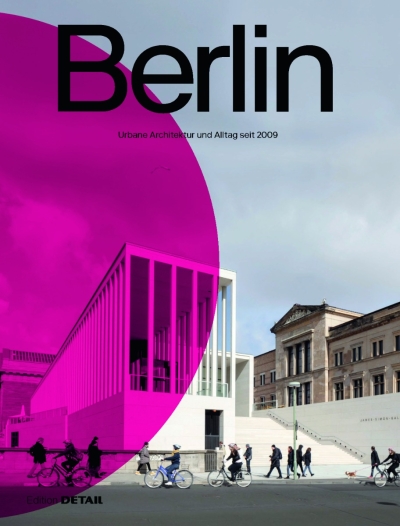
  • Florian Heilmeyer, Sandra Hofmeister (…

    Berlin. Urbane Architektur und Alltag seit 2009

  • CuratorLab (Ed.)

    Assuming Asymmetries. Conversations on Curating Public Art…

  • gerade nicht auf Lager
    Michael Rawson

    The Nature of Tomorrow. A History of the Environmental…

  • gerade nicht auf Lager
    Hiuwai Chu, Meagan Down, Nkule Mabaso,…

    CLIMATE. Our Right to Breathe

  • Patricia Ribault

    Design, Gestaltung, Formatività

  • gerade nicht auf Lager
    Stuart Hyatt, Janneane Blevins &…

    Stations. Listening to the Deep Earth

  • gerade nicht auf Lager
    Anne Davidian, Laurent Jeanpierre (Eds.)

    What Makes an Assembly? Stories, Experiments, and Inquiries

  • gerade nicht auf Lager
    Ingo Offermanns (Ed.) Dokho Shin &…

    Graphic Design Is (...) Not Innocent: Scrutinizing Visual…

  • gerade nicht auf Lager
    Silke Langenberg (Hg.)

    Upgrade: Making Things Better

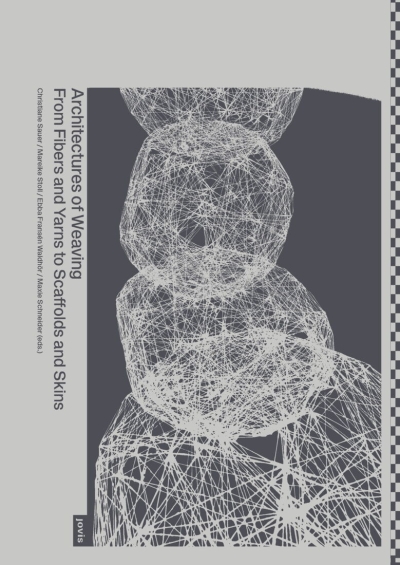
  • Christiane Sauer, Mareike Stoll, Ebba…

    Architectures of Weaving

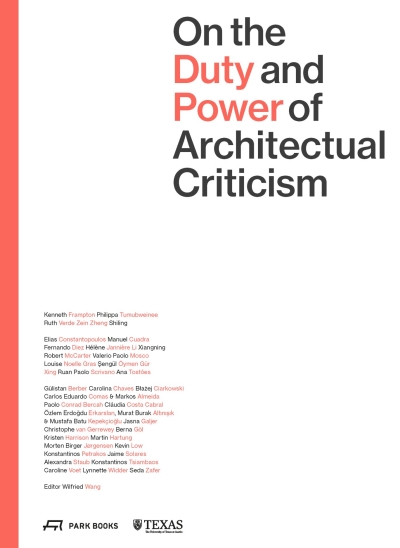
  • Wilfried Wang (Hg.)

    On the Duty and Power of Architectural Criticism

  • gerade nicht auf Lager
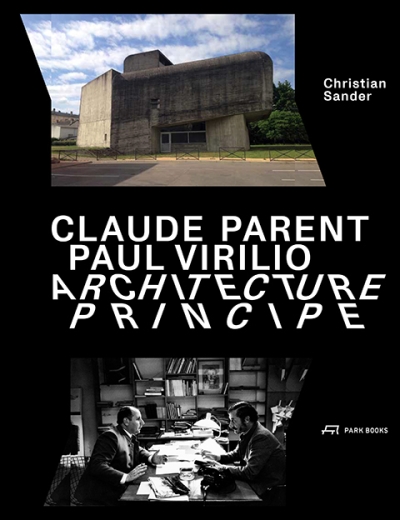
    Christian Sander

    Claude Parent, Paul Virilio - Architecture Principe. Formen…

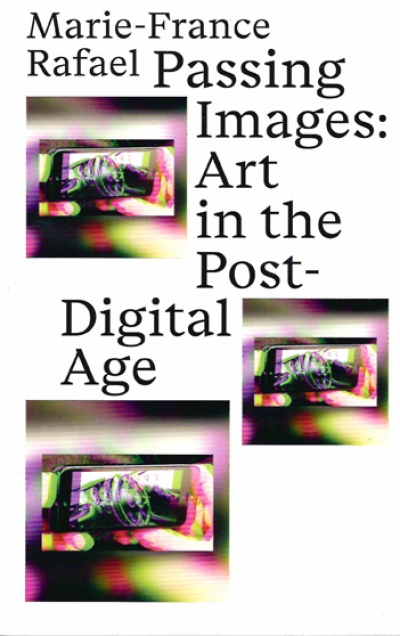
  • Marie-France Rafael

    Passing Images. Art in the Post-Digital Age

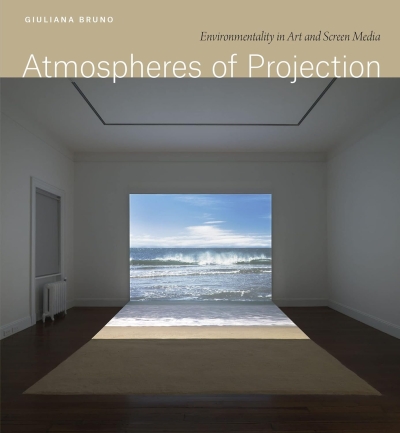
  • Giuliana Bruno

    Atmospheres of Projection. Environmentality in Art and…

  • gerade nicht auf Lager
    Mohsen Mostafavi (ed)

    Manfredo Tafuri. Modern Architecture in Japan

  • gerade nicht auf Lager
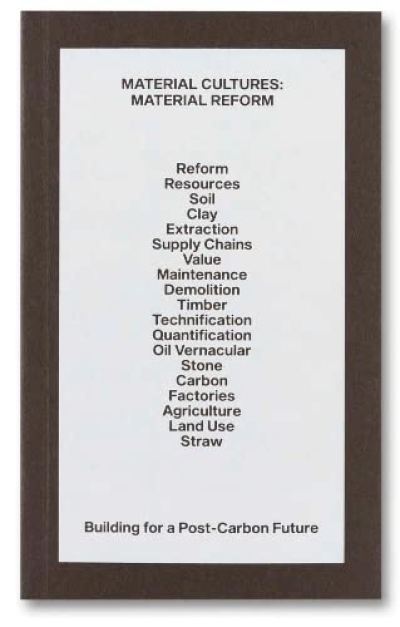
    Material Cultures

    Material Cultures: Material Reform. Building for a Post-…

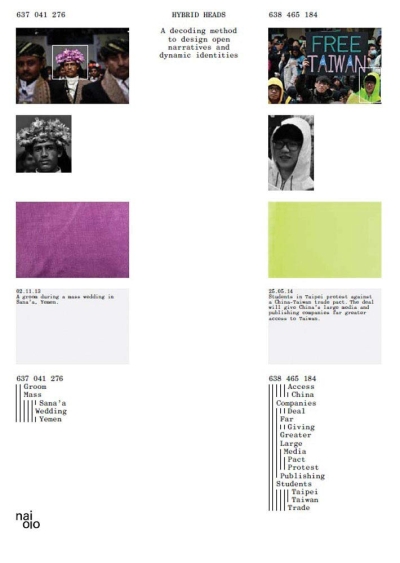
  • Daniela Dossi

    Hybrid Heads

  • gerade nicht auf Lager
    Leonhard Laupichler & Sophia…

    New Aesthetic 3. A Collection of Experimental and…

  • gerade nicht auf Lager
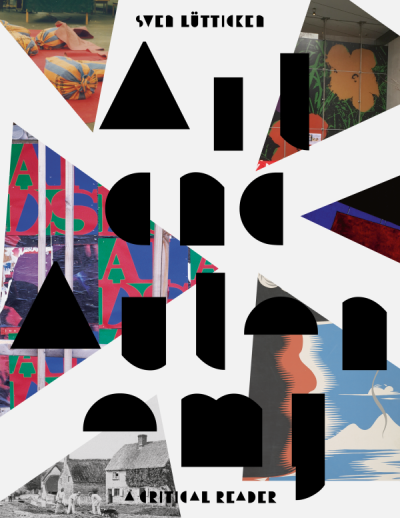
    Sven Lütticken

    Art and Autonomy. A Critical Reader

  • gerade nicht auf Lager
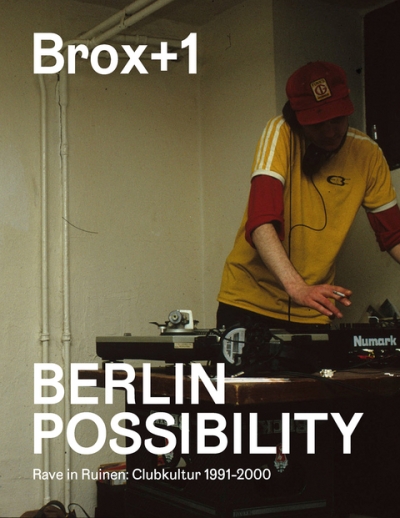
    Christian Brox (Brox+1)

    BERLIN POSSIBILITY. Rave in Ruinen. Clubkultur 1990 bis…

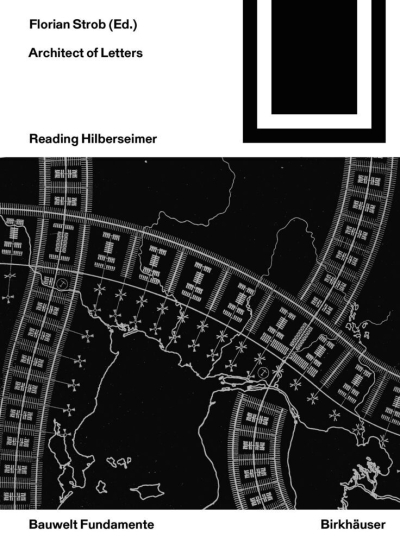
  • Florian Strob (Hg.)

    Architect of Letters. Reading Hilberseimer

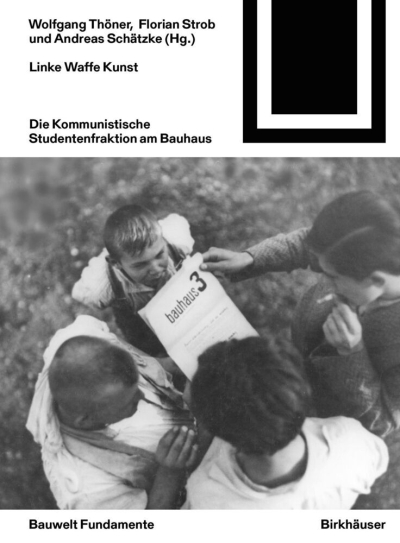
  • Wolfgang Thöner, Florian Strob, Andreas…

    Linke Waffe Kunst. Die Kommunistische Studentenfraktion am…

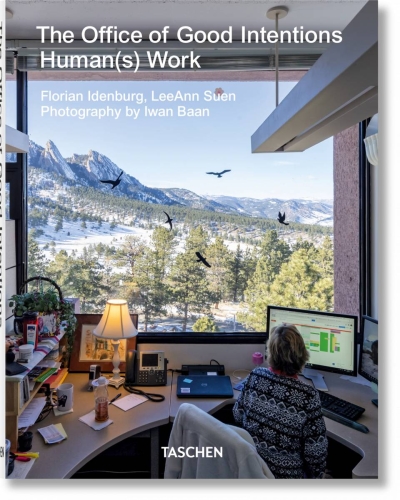
  • Florian Idenburg, LeeAnn Suen,…

    The Office of Good Intentions. Human(s) Work

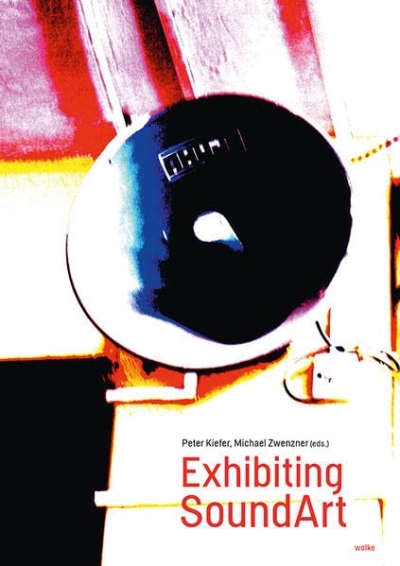
  • Peter Kiefer, Michael Zwenzner (Hg.)

    Exhibiting SoundArt

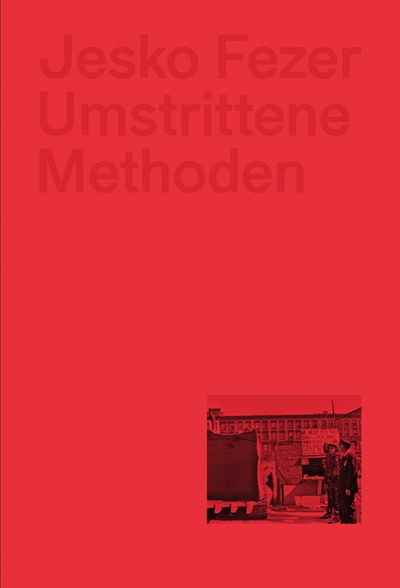
  • Jesko Fezer

    Umstrittene Methoden. Architekturdiskurse der…

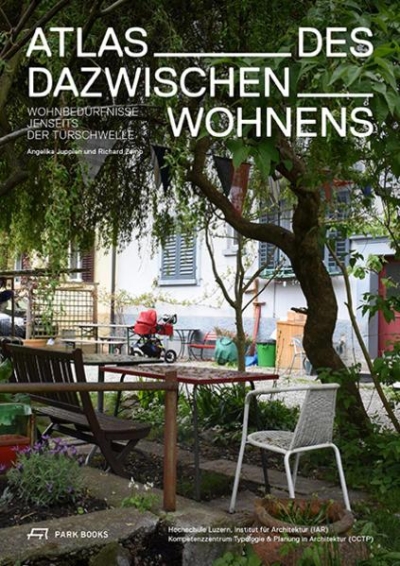
  • Angelika Juppien, Richard Zemp,…

    Atlas des Dazwischenwohnens. Wohnbedürfnisse jenseits der…

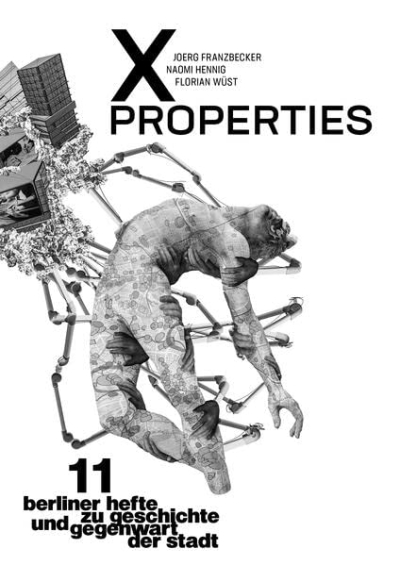
  • Joerg Franzbecker, Naomi Hennig,…

    X Properties. Berliner Hefte zu Geschichte und Gegenwart…

  • gerade nicht auf Lager
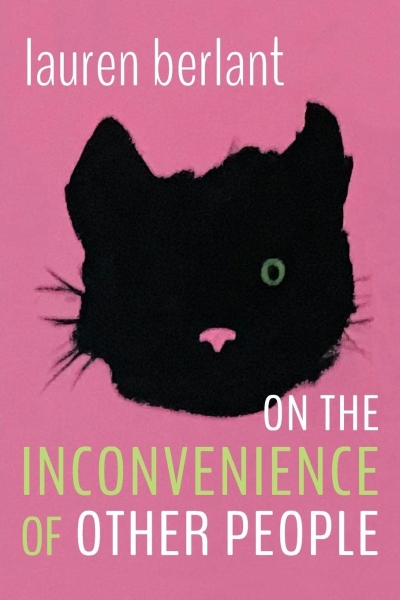
    Lauren Berlant

    On the Inconvenience of Other People

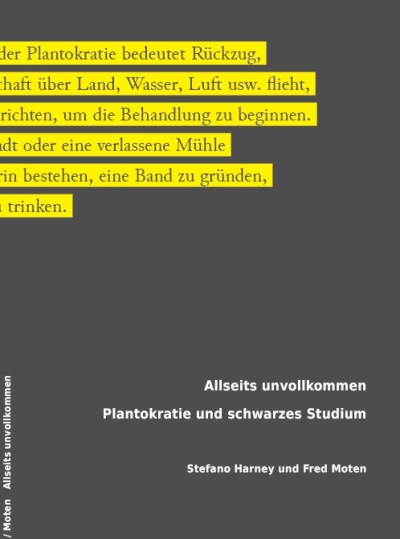
  • Stefano Harney, Fred Moten

    Allseits unvollkommen. Plantokratie und schwarzes Studium

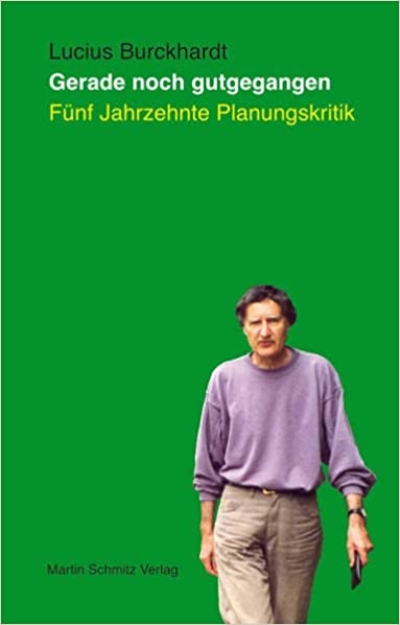
  • Lucius Burckhardt

    Gerade noch gutgegangen. Fünf Jahrzehnte Planungskritik

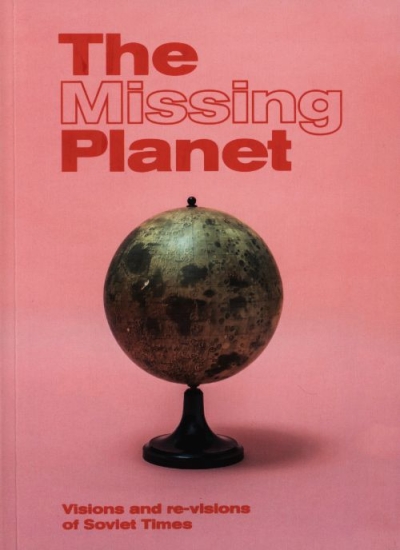
  • Vittoria Pavesi (Hg)

    The Missing Planet. Visions and Re-Visions of Soviet Times

  • Gottfried Schnödl, Florian Sprenger

    Uexkülls Umgebungen. Umweltlehre und rechtes Denken

  • Gottfried Schnödl, Florian Sprenger

    Uexküll's Surroundings. Umwelt Theory and Right-Wing…

  • Charles L. Davis II

    Building Character.The Racial Politics of Modern…

  • gerade nicht auf Lager
    Teddy Cruz, Fonna Forman

    Spatializing Justice. Building Blocks

  • gerade nicht auf Lager
    Jacopo Galimberti

    Images of Class. Operaismo, Autonomia and the Visual Arts (…

  • gerade nicht auf Lager
    Frida Grahn (Hg.)

    Denise Scott Brown. In Other Eyes. Portraits of an Architect

  • Michael Franz, Fabian Ginsberg (Hg.)

    Strategien der Aufstandsbekämpfung. Kunst

  • gerade nicht auf Lager
    David Sim

    Sanfte Stadt. Planungsideen für den urbanen Alltag

  • gerade nicht auf Lager
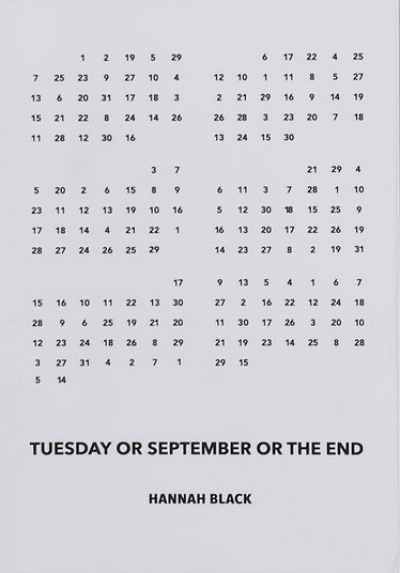
    Hannah Black

    Tuesday or September or the End

  • gerade nicht auf Lager
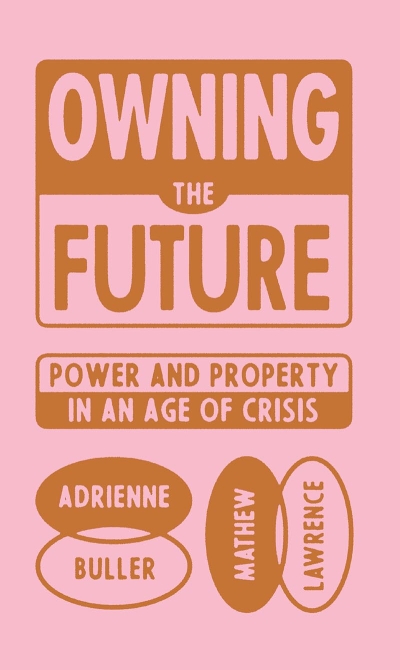
    Adrienne Buller, Mathew Lawrence

    Owning the Future. Power and Property in the Age of Crisis

  • gerade nicht auf Lager
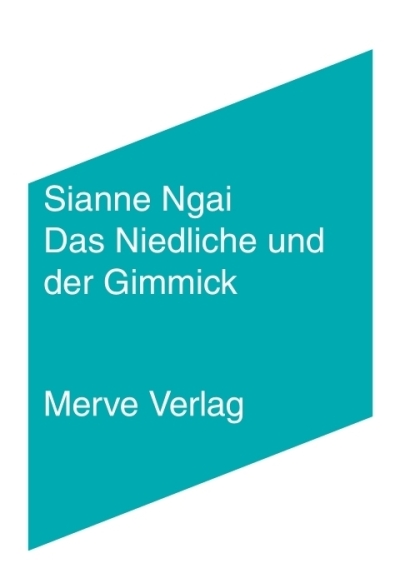
    Sianne Ngai

    Das Niedliche und der Gimmick. Zwei ästhetische Kategorien

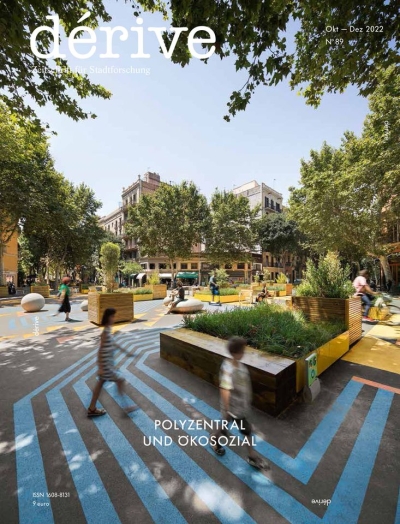
  • dérive

    dérive N° 89, Polyzentral und Ökosozial (Okt-Dez/2022)

  • gerade nicht auf Lager
    Mathias Denecke, Holger Kuhn, Milan…

    Liquidity, Flows, Circulation. The Cultural Logic of…

  • gerade nicht auf Lager
    Bernard Fibicher (Hg)

    Resistance Anew: Artworks, Culture, & Democracy (…

  • gerade nicht auf Lager
    Reto Geiser, Michael Kubo (Hg)

    Futures of the Architectural Exhibition.

  • gerade nicht auf Lager
    Benjamin Bratton

    Die Realität schlägt zurück. Politik für eine…

  • gerade nicht auf Lager
    Rolf Lindner

    In einer Welt von Fremden. Eine Anthropolgie der Stadt

  • Lorenzo Fabian & Ludovico Centis

    The lake of Venice. A scenario for Venice and its lagoon

  • gerade nicht auf Lager
    Peter Osborne

    Crisis as Form

  • gerade nicht auf Lager
    Leslie Kern

    Gentrification Is Inevitable and Other Lies

  • Arch+ Zeitschrift für Architektur und…

    Arch+ 249. Learning Spaces

SIAHKAL 2.0: An A.I. resurrected discourse on Marxism & Islam


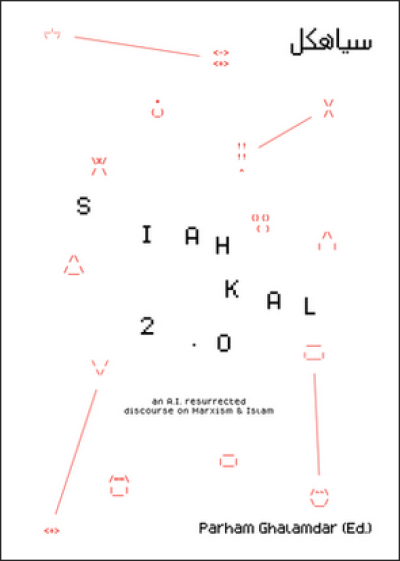
Siahkal names a place in the forests of Gilan and a threshold in revolutionary time. In 1971 a guerrilla action near Siahkal shook the order of the Shah. The action failed militarily yet seeded a myth for the People’s Fedai Guerrillas. Bizhan Jazani, a founding thinker, wrote and painted in prison and was executed in 1975. His work teaches that strategy rather than sentiment endures. // This book treats Siahkal as a Deep Object, a persistent attractor that gathers memory, images, and tactics. An AI model trained on Jazani’s writings and paintings translates his essay on Islamic Marxism and proposes annotations. The machine functions as a probe that widens attention while remaining accountable to the source. Parham Ghalamdar trained the AI, wrote the introduction, and composed ASCII diagrams and diagrammatic readings from Jazani’s artworks. Parsa Esmaeilzadeh contributes an essay that reads Jazani through Karatani and left accelerationism. // It is a call to reimagine and export revolution as a Deep Object that asks for Deep Time to unfold. This clandestine edition invites the reader to study, test, and build strategy that can outlast the news cycle and meet the future head on.

This is a limited edition book. The author trained an LLM on the texts of a deceased theorist, and then proceeded to interact with the LLM and produce simulations of what the theorist may have said in regards to various pertinent topics. The book is primarily a free online resource, but a few copies are being printed to commemorate the work. It has a foreword and afterword by the Editors.

At the core of this project is a translation of “Marxist Islam or Islamic Marxism,” a groundbreaking text written by Bizhan Jazani during his imprisonment in the 1970s under the Shah’s oppressive regime. Translated by Parham Ghalamdar, this work is accompanied by an introduction contextualizing Jazani’s radical vision. Ghalamdar also contributes a series of ASCII-style illustrations and diagrams—AI-assisted reinterpretations of Jazani’s original paintings and photographs—that bridge the past and present, offering a new perspective on his revolutionary artistry.


About the author
Parham Ghalamdar is a multidisciplinary artist currently based in the UK. Ghalamdar’s work traces forgotten mythologies, buried philosophies, and visual ruins, reconfiguring them into speculative worlds where memory, fiction, and futurism collapse into one another. Drawing on cybernetic theory and generative AI, he explores how systems of feedback, simulation, and machine vision mediate our understanding of history and possibility. Through painting, film, and writing, he builds narratives that feel both ancient and yet-to-come, haunted by lost histories and animated by possible futures.


Siahkal
names a place in the forests of Gilan and a threshold in revolutionary
time. In 1971 a guerrilla action near Siahkal shook the order of the
Shah. The action failed militarily yet seeded a myth for the People’s
Fedai Guerrillas. Bizhan Jazani, a founding thinker, wrote and painted
in prison and was executed in 1975. His work teaches that strategy
rather than sentiment endures. // This book treats Siahkal as a Deep
Object, a persistent attractor that gathers memory, images, and tactics.
An AI model trained on Jazani’s writings and paintings translates his
essay on Islamic Marxism and proposes annotations. The machine functions
as a probe that widens attention while remaining accountable to the
source. Parham Ghalamdar trained the AI, wrote the introduction, and
composed ASCII diagrams and diagrammatic readings from Jazani’s
artworks. Parsa Esmaeilzadeh contributes an essay that reads Jazani
through Karatani and left accelerationism. // It is a call to reimagine
and export revolution as a Deep Object that asks for Deep Time to
unfold. This clandestine edition invites the reader to study, test, and
build strategy that can outlast the news cycle and meet the future head
on.


This is a limited edition book. The author trained an LLM on the texts
of a deceased theorist, and then proceeded to interact with the LLM and
produce simulations of what the theorist may have said in regards to
various pertinent topics. The book is primarily a free online resource,
but a few copies are being printed to commemorate the work. It has a
foreword and afterword by the Editors.


At the core of this project is a translation of “Marxist Islam or
Islamic Marxism,” a groundbreaking text written by Bizhan Jazani during
his imprisonment in the 1970s under the Shah’s oppressive regime.
Translated by Parham Ghalamdar, this work is accompanied by an
introduction contextualizing Jazani’s radical vision. Ghalamdar also
contributes a series of ASCII-style illustrations and
diagrams—AI-assisted reinterpretations of Jazani’s original paintings
and photographs—that bridge the past and present, offering a new
perspective on his revolutionary artistry.


About the author

Parham Ghalamdar is a multidisciplinary artist currently based in the
UK. Ghalamdar’s work traces forgotten mythologies, buried philosophies,
and visual ruins, reconfiguring them into speculative worlds where
memory, fiction, and futurism collapse into one another. Drawing on
cybernetic theory and generative AI, he explores how systems of
feedback, simulation, and machine vision mediate our understanding of
history and possibility. Through painting, film, and writing, he builds
narratives that feel both ancient and yet-to-come, haunted by lost
histories and animated by possible futures.


Siahkal
names a place in the forests of Gilan and a threshold in revolutionary
time. In 1971 a guerrilla action near Siahkal shook the order of the
Shah. The action failed militarily yet seeded a myth for the People’s
Fedai Guerrillas. Bizhan Jazani, a founding thinker, wrote and painted
in prison and was executed in 1975. His work teaches that strategy
rather than sentiment endures. // This book treats Siahkal as a Deep
Object, a persistent attractor that gathers memory, images, and tactics.
An AI model trained on Jazani’s writings and paintings translates his
essay on Islamic Marxism and proposes annotations. The machine functions
as a probe that widens attention while remaining accountable to the
source. Parham Ghalamdar trained the AI, wrote the introduction, and
composed ASCII diagrams and diagrammatic readings from Jazani’s
artworks. Parsa Esmaeilzadeh contributes an essay that reads Jazani
through Karatani and left accelerationism. // It is a call to reimagine
and export revolution as a Deep Object that asks for Deep Time to
unfold. This clandestine edition invites the reader to study, test, and
build strategy that can outlast the news cycle and meet the future head
on.


This is a limited edition book. The author trained an LLM on the texts
of a deceased theorist, and then proceeded to interact with the LLM and
produce simulations of what the theorist may have said in regards to
various pertinent topics. The book is primarily a free online resource,
but a few copies are being printed to commemorate the work. It has a
foreword and afterword by the Editors.


At the core of this project is a translation of “Marxist Islam or
Islamic Marxism,” a groundbreaking text written by Bizhan Jazani during
his imprisonment in the 1970s under the Shah’s oppressive regime.
Translated by Parham Ghalamdar, this work is accompanied by an
introduction contextualizing Jazani’s radical vision. Ghalamdar also
contributes a series of ASCII-style illustrations and
diagrams—AI-assisted reinterpretations of Jazani’s original paintings
and photographs—that bridge the past and present, offering a new
perspective on his revolutionary artistry.


About the author

Parham Ghalamdar is a multidisciplinary artist currently based in the
UK. Ghalamdar’s work traces forgotten mythologies, buried philosophies,
and visual ruins, reconfiguring them into speculative worlds where
memory, fiction, and futurism collapse into one another. Drawing on
cybernetic theory and generative AI, he explores how systems of
feedback, simulation, and machine vision mediate our understanding of
history and possibility. Through painting, film, and writing, he builds
narratives that feel both ancient and yet-to-come, haunted by lost
histories and animated by possible futures.


Siahkal names a place in the forests of Gilan and a threshold in revolutionary time. In 1971 a guerrilla action near Siahkal shook the order of the Shah. The action failed militarily yet seeded a myth for the People’s Fedai Guerrillas. Bizhan Jazani, a founding thinker, wrote and painted in prison and was executed in 1975. His work teaches that strategy rather than sentiment endures. // This book treats Siahkal as a Deep Object, a persistent attractor that gathers memory, images, and tactics. An AI model trained on Jazani’s writings and paintings translates his essay on Islamic Marxism and proposes annotations. The machine functions as a probe that widens attention while remaining accountable to the source. Parham Ghalamdar trained the AI, wrote the introduction, and composed ASCII diagrams and diagrammatic readings from Jazani’s artworks. Parsa Esmaeilzadeh contributes an essay that reads Jazani through Karatani and left accelerationism. // It is a call to reimagine and export revolution as a Deep Object that asks for Deep Time to unfold. This clandestine edition invites the reader to study, test, and build strategy that can outlast the news cycle and meet the future head on.

This is a limited edition book. The author trained an LLM on the texts of a deceased theorist, and then proceeded to interact with the LLM and produce simulations of what the theorist may have said in regards to various pertinent topics. The book is primarily a free online resource, but a few copies are being printed to commemorate the work. It has a foreword and afterword by the Editors. 

At the core of this project is a translation of “Marxist Islam or Islamic Marxism,” a groundbreaking text written by Bizhan Jazani during his imprisonment in the 1970s under the Shah’s oppressive regime. Translated by Parham Ghalamdar, this work is accompanied by an introduction contextualizing Jazani’s radical vision. Ghalamdar also contributes a series of ASCII-style illustrations and diagrams—AI-assisted reinterpretations of Jazani’s original paintings and photographs—that bridge the past and present, offering a new perspective on his revolutionary artistry.


“Bizhan Jazani”, Parham Ghalamdar
SIAHKAL 2.0: An A.I. resurrected discourse on Marxism & Islam
Becoming Press, 2025, 978-9925-8207-7-1
15,00 €