



Direkt zum Inhalt

Warenkorb

  • gerade nicht auf Lager
    Donna Haraway

    Die Neuerfindung der Natur. Primaten, Cyborgs und Frauen.

  • gerade nicht auf Lager
    Stefanie Schulte Strathaus, Florian…

    Wer sagt denn, dass Beton nicht brennt, hast Du’s probiert?

  • gerade nicht auf Lager
    Henri Lefebvre

    Writings on Cities

  • Loretta Napoleoni

    Rogue Economics. Capitalism's New Reality

  • AD

    AD 174. Vol. 75. Nr. 2. Samantha Hardingham. The 1970'…

  • An Architektur

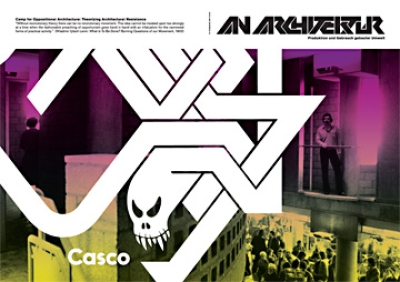
    An Architektur 18: Camp for Oppositional Architecture:…

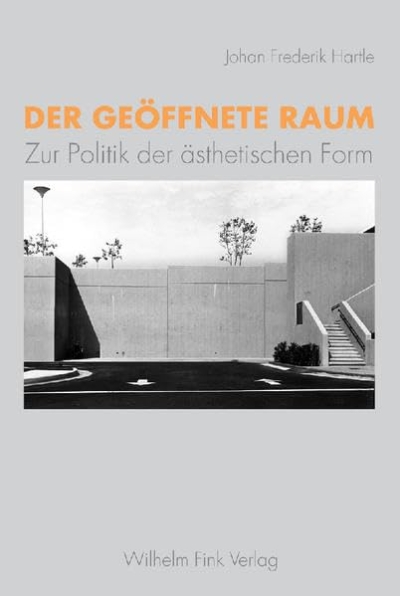
  • Johan Frederik Hartle

    Der geöffnete Raum. Zur Politik der ästhetischen Form

  • An Architektur

    An Architektur 16-17

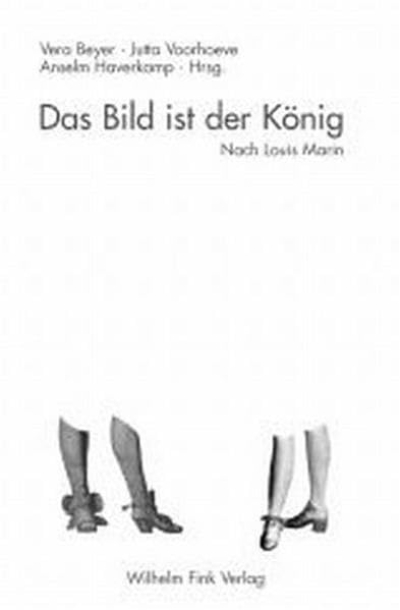
  • Vera Beyer, Jutta Voorhoeve, Anselm…

    Das Bild ist der König. Repräsentation nach Louis Marin

  • An Architektur

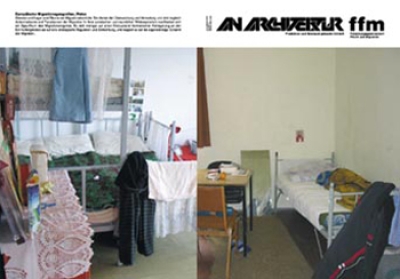
    An Architektur 15 / FFM 11: Europäische…

  • An Architektur

    An Architektur 14: Camp for Oppositional Architecture

  • An Architektur

    An Architektur 11-13: Theorie und Praxis der Kartografie

  • An Architektur

    An Architektur 10: Gemeinschaftsräume

  • An Architektur

    An Architektur 04-09: Krieg und die Produktion von Raum

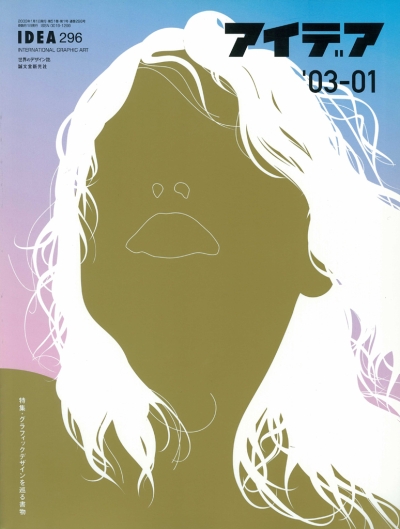
  • IDEA Magazine

    IDEA 296. Books <preposition> graphic design

  • IDEA Magazine

    IDEA 293. Stanley Donwood / Vacances. DD-DDD / Dimensions…

  • gerade nicht auf Lager
    An Architektur

    An Architektur 01-03

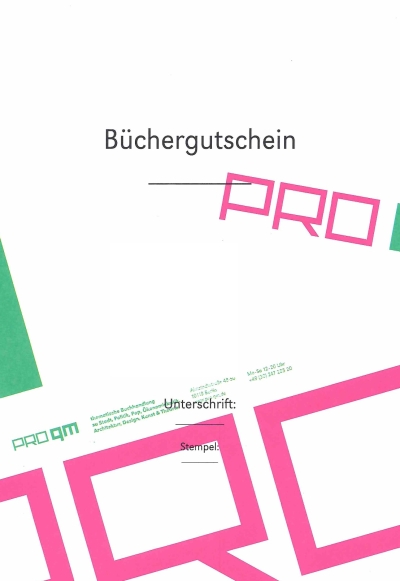
  • Pro qm

    Gutschein / Voucher

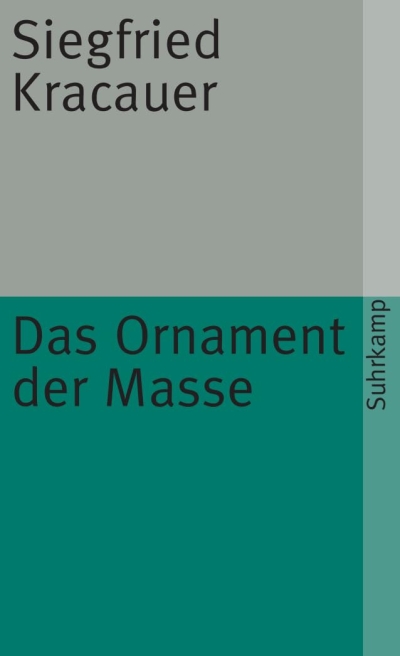
  • Siegfried Kracauer

    Das Ornament der Masse. Essays

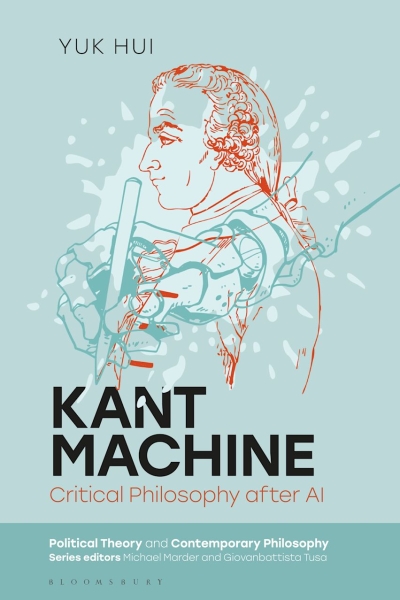
Kant Machine. Critical Philosophy after AI

Kant Machine. Critical Philosophy after AI

Rethinking the philosophy of Immanuel Kant in the age of artificial intelligence.

What could be called an intelligent machine? Are machines capable of being moral? Does an algorithm for perpetual peace exist? In this groundbreaking new work, Yuk Hui considers how current debates on artificial intelligence echo historical philosophical discussions about the workings of the mind, with the philosophy of Immanuel Kant emerging as a lens through which to consider the ethical and political implications of AI and robotics in a new light.

Addressing fundamental questions around machine intelligence and morality, transcendental idealism and learning, and the metaphysics of machines, the history of AI and Kantian ideas are expertly woven together alongside an array of figures in the histories of technology and philosophy: from Gottfried Wilhelm Leibniz and Alan Turing to Hubert Dreyfus and Jacques de Vaucanson.

In asking how we can understand AI in light of the challenges Kant posed to both rationalism and empiricism, and how revisiting Kant can help us better comprehend the nature and limitations of contemporary technologies, Kant Machine is an essential critical contribution both to Kant studies and to the philosophy of digital technology.


Yuk Hui
Kant Machine. Critical Philosophy after AI
Bloomsbury, 2026, 9781350602502
22,50 €