












Direkt zum Inhalt

Warenkorb

  • gerade nicht auf Lager
    Metahaven

    Can Jokes Bring Down Governments? Memes, Design and…

  • gerade nicht auf Lager
    Spyros Papapetros, Julian Rose (Eds.)

    Retracing the Expanded Field

  • gerade nicht auf Lager
    Francesco Garutti (Ed.)

    Fairland. Explorations, Insights and Outlooks on the Future…

  • Birgit Mennel, Stefan Nowotny (Hg.)

    Die Sprachen der Banlieues

  • gerade nicht auf Lager
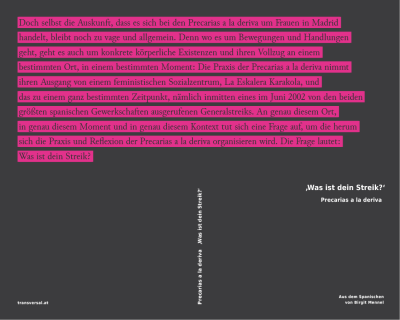
    Precarias a la Deriva

    Was ist dein Streik? Militante Streifzüge durch die…

  • gerade nicht auf Lager
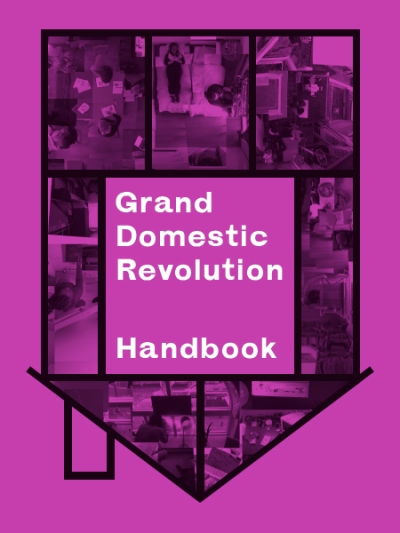
    Binna Choi, Maiko Tanaka (Hg)

    The Grand Domestic Revolution Handbook

  • Latek, Paviol, Simond, Very (Eds.)

    In situ – de visu – in motu. Architecture, cinéma et arts…

  • gerade nicht auf Lager
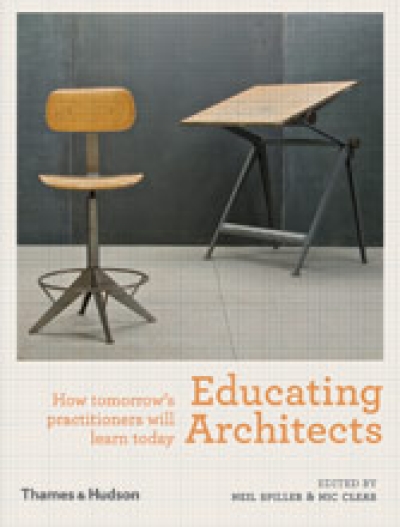
    Neil Spiller, Nic Clear (Eds.)

    Educating Architects. How Tomorrow's Practitioners…

  • gerade nicht auf Lager
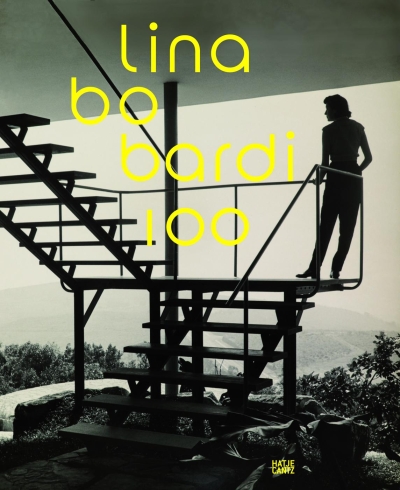
    AndresLepik, Very Simone Bader (Hg)

    Lina Bo Bardi 100. Brasiliens alternativer Weg in die…

  • gerade nicht auf Lager
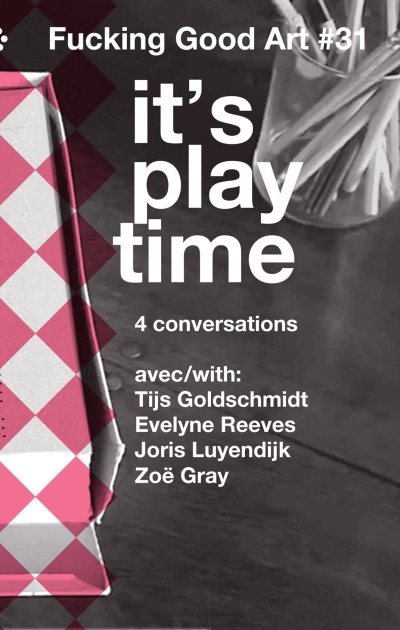
    Robert Hamelijnck, Nienke Terpsma (Eds.)

    It's Playtime

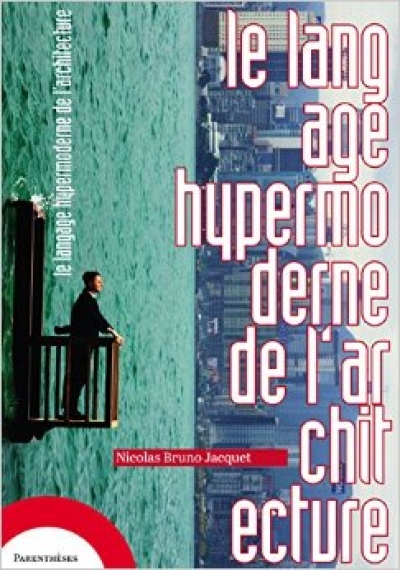
  • Nicolas Bruno Jacquet

    Le Langage Hypermoderne de l'Architecture

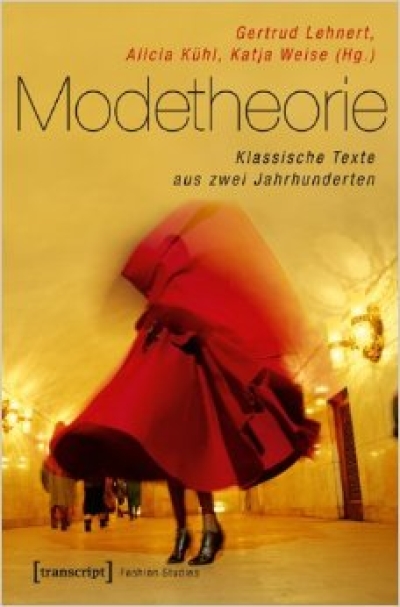
  • Gertrud Lehnert, Alicia Kühl, Katja…

    Modetheorie. Klassische Texte aus vier Jahrhunderten

  • Katharina Eck, Astrid Silvia Schänhagen

    Interieur und Bildtapete. Narrative des Wohnens um 1800

  • Stefan Gandl

    Neubau Forst Catalogue

  • Jörg H. Gleiter (Hg.)

    Symptom Design. Vom Zeigen und Sich-Zeigen der Dinge

  • gerade nicht auf Lager
    Chloé Griffin (Ed.)

    Edgewise. A Picture of Cookie Mueller

  • gerade nicht auf Lager
    Susanne Witzgall, Kerstin Stakemeier…

    Macht des Materials / Politik der Materialität

  • Mark von Schlegell

    Ickles, Etc. Critical Spatial Practice 5

  • Simon Starling

    Metamorphology

  • Andrea Kroksnes (Ed.)

    Grip friheten! Take Liberty!

  • Fabien Bellat

    Amériques / URSS. Architectures du Défi

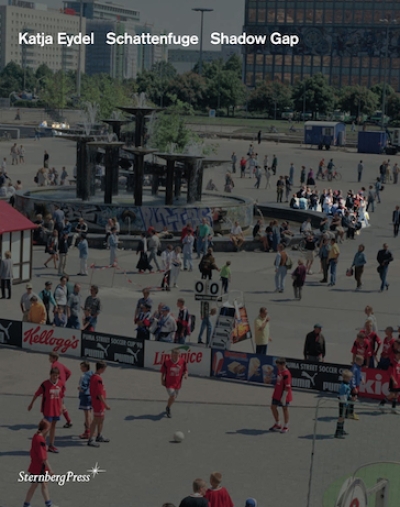
  • Katja Eydel

    Katja Eydel. Schattenfuge / Shadow Gap

  • Sudhir Venkatesh

    Floating City. A Rogue Sociologist Lost and Found in New…

  • Ryan Gander

    Culturefield

  • Andreas Vetter

    Manfred Lehmbruck. Architektur um 1960

  • gerade nicht auf Lager
    Markus Metz, Georg Seeßlen

    Geld frisst Kunst - Kunst frisst Geld: Ein Pamphlet

  • gerade nicht auf Lager
    Christiane Sörensen, Karoline Liedtke…

    SPECIFICS. Discussing Landscape Architecture

  • gerade nicht auf Lager
    Gilabert, Lawrence, Miljacki, Schafer…

    OfficeUS Agenda

  • Luca Frei

    Thursday followed Wednesday and Tuesday followed Monday and…

  • Morris Louis, Cyprien Gaillard

    From Wings To Fins

  • Bernd Belina, Matthias Naumann, Anke…

    Handbuch kritische Stadtgeographie

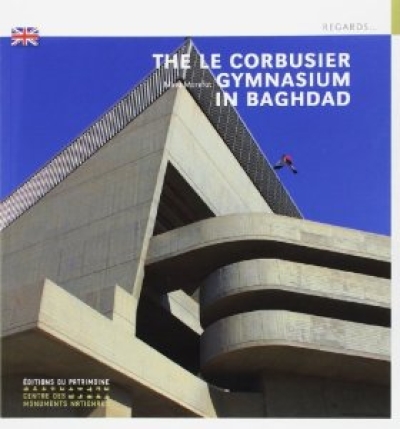
  • Mina Marefat

    The Le Corbusier Gymnasium in Baghdad

  • gerade nicht auf Lager
    David Grubbs

    Records Ruin the Landscape. John Cage, the Sixties, and…

  • Berit Fischer (Ed.)

    Hlysnan.The Notion and Politics of Listening

  • Steven Cleeren

    Hugo Puttaert. Think in Colour: Visionandfactory

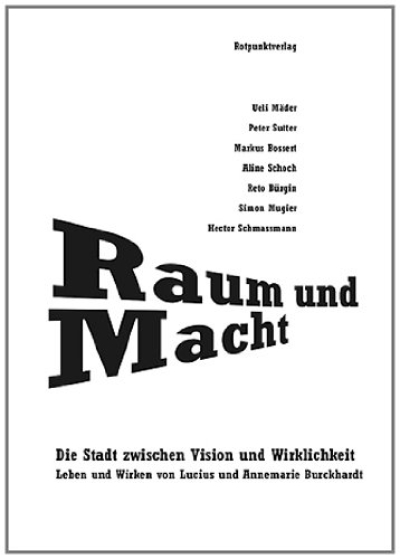
  • Ueli Mäder

    Raum und Macht. Die Stadt zwischen Vision und Wirklichkeit…

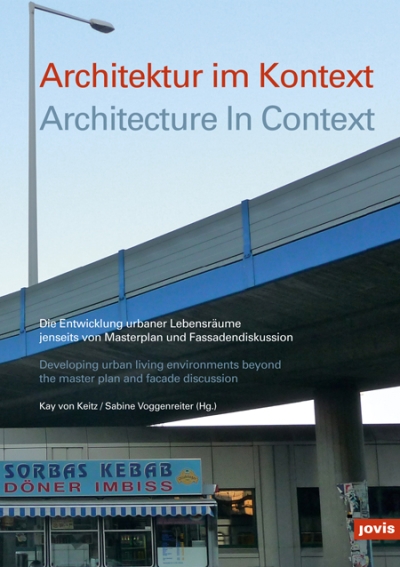
  • Kay von Keitz, Sabine Voggenreiter (Hg.)

    Architektur im Kontext. Architecture in Context

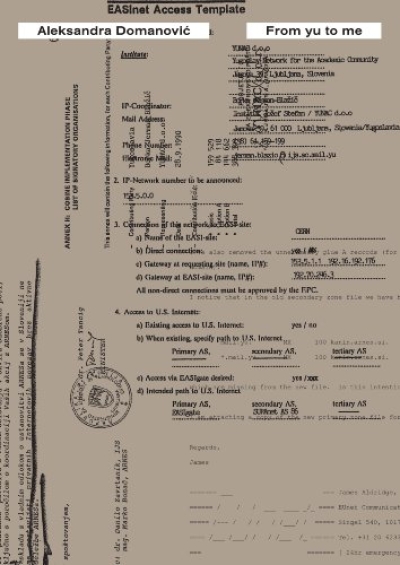
  • Michelle Cotton (Ed.)

    Aleksandra Domanovic. From yu to me

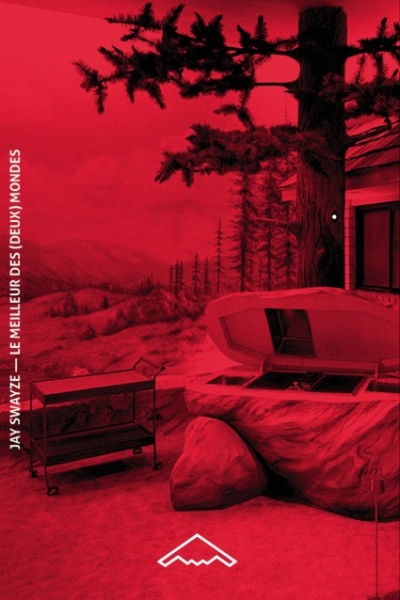
  • Jay Swayze

    Le Meilleur des (deux) Mondes. Maisons et Jardins…

  • Olaf Nicolai

    Szondi/Eden

  • Tom Wilkinson

    Bricks & Mortals. Ten Great Buildings and the People…

  • gerade nicht auf Lager
    Stefan Römer

    Inter-esse

  • Natalie Czech

    I cannot repeat what I hear

  • Pinar Yoldas

    An Ecosystem of Excess

  • Marc Glöde

    Farbige Lichträume. Manifestationen einer Veränderung des…

  • Olaf Habelmann

    Die Trauben auf deinem Bauch bilden ein Muster

  • Anke Westermann

    Anke Westermann. Atlas

  • Rachel Mader (Hg.)

    Radikal ambivalent. Engagement und Verantwortung in den…

  • gerade nicht auf Lager
    Henri Lefèbvre

    Die Revolution der Städte. La Revolution urbaine

  • Martin Pawley

    Theorie und Gestaltung im Zweiten Maschinenzeitalter

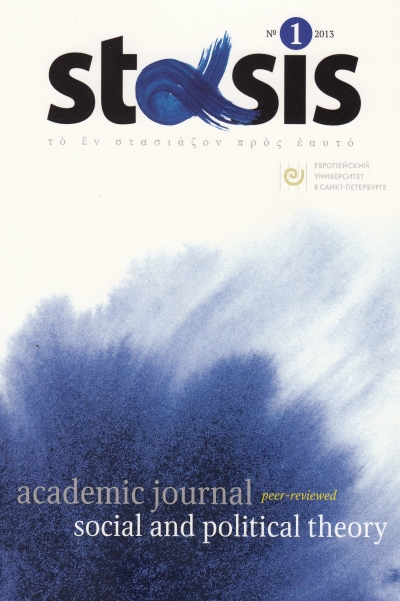
  • Stasis. Academic Journal

    Social and Political Theory. No. 1

  • Martin Conrads

    Ohne Mich

  • Gertrud Vogler

    La Défense. Métro, boulot, dodo

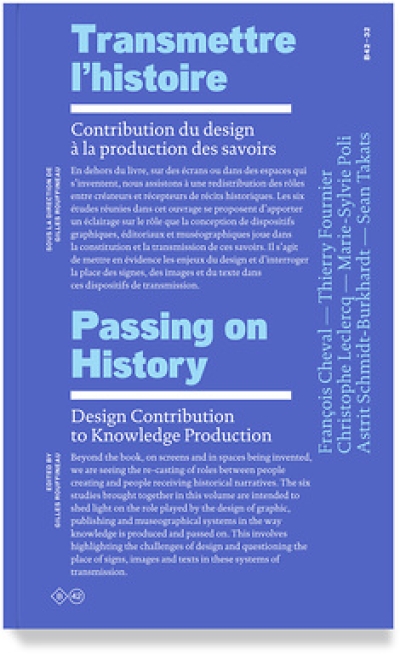
  • Gilles Rouffineau (Ed.)

    Passing On History. Design Contribution To Knowledge…

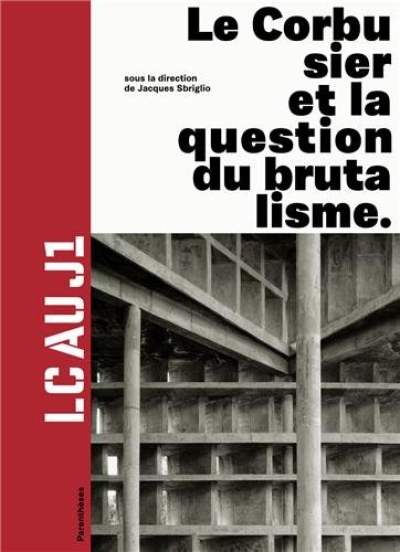
  • Jacques Sbriglio

    Le Corbusier et la question du brutalisme. LC au J1

  • Kaja Grobe, Karin Kreuder

    Always the Same Faces. Aus dem Alltag philippinischer…

  • Dario Azzellini, Marina Sitrin

    They Can't Represent Us! Reinventing Democracy from…

  • gerade nicht auf Lager
    Deyan Sudjic

    B is for Bauhaus. An A-Z of the Modern World

  • gerade nicht auf Lager
    Cathy Lane, Angus Carlyle

    In the Field. The Art of Field Recording

  • gerade nicht auf Lager
    Helmut C. Schulitz

    Entfesselung der Architektur. Der Architekt: Baumeister…

  • Matt Mullican

    Editions 1985-2012

  • gerade nicht auf Lager
    Ljiljana Kolešnik (Ed.)

    Socialism and Modernity. Art, Culture, Politics 1950 – 1974

  • Yilmaz Dziewior (Ed.)

    Liebe ist kälter als das Kapital. Love is colder than…

  • Jens Müller (Ed.)

    Rolf Müller

  • gerade nicht auf Lager
    Gill Perry

    Playing at Home. The House in Contemporary Art

  • gerade nicht auf Lager
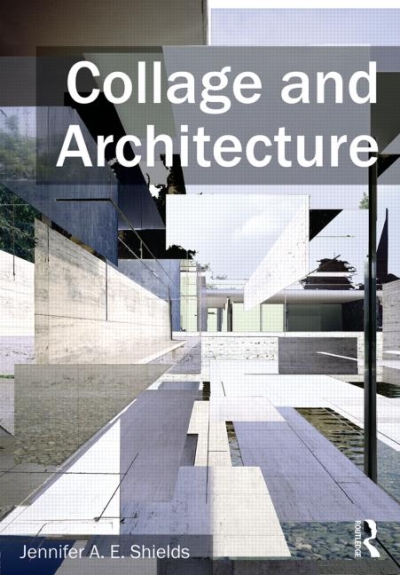
    Jennifer A.E. Shields

    Collage and Architecture

  • gerade nicht auf Lager
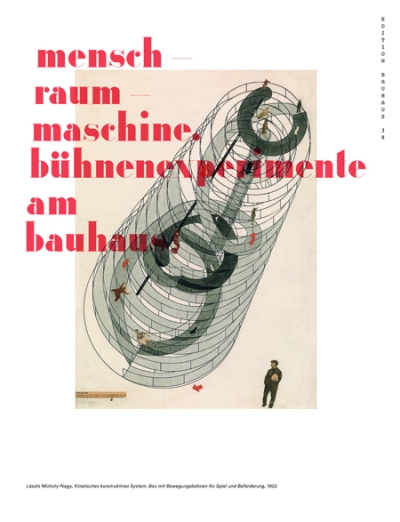
    Torsten Blume, Christian Hiller (Hg.)

    Mensch - Raum – Maschine. Bühnenexperimente am Bauhaus

  • Richard Birkett (Ed.)

    and Materials and Money and Crisis

  • gerade nicht auf Lager
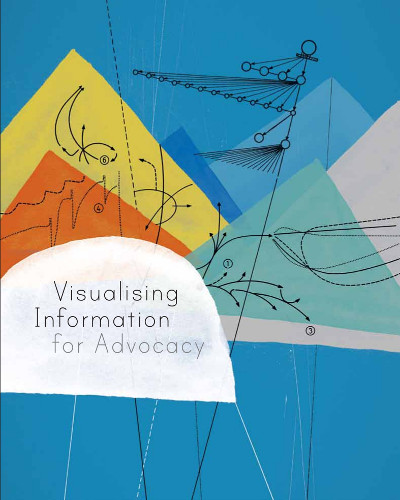
    Tactical Technology Collective

    Visualising Information for Advocacy

  • IDEA Magazine

    IDEA 362. Poetics of Graphic Language. Contemporary…

  • Gianni Politi

    The Ritual of the Snake

  • Neil Brenner (Ed.)

    Implosions / Explosions. Towards a Study of Planetary…

  • gerade nicht auf Lager
    Sven Völker (Ed.)

    Some Book. Graphic Expressions between Design and Art

  • gerade nicht auf Lager
    Joanne Finkelstein

    Fashioning Appetite. Restaurants and the Making of Modern…

  • Gunnar Hindrichs

    Die Autonomie des Klangs - Eine Philosophie der Musik

  • Daniel Irrgang, Clemens Jahn (Hg.)

    Forum zur Genealogie des MedienDenkens II. Siegfried…

  • Texte zur Kunst Heft 92

    Architecture / Architektur

  • Philipp Misselwitz, Eui Young Chun,…

    Gwangju Folly II

  • Aleksandra Mir

    The Space Age. Poster Book

  • Sergio B. Martins

    Constructing an Avant-Garde. Art in Brazil 1949-1979

  • Centrum Architektury (Ed.)

    For Example. New Polish House. A Book

  • metroZones 13

    Global Prayers. Contemporary Manifestations of the…

  • gerade nicht auf Lager
    Beatriz Preciado

    Testo Junkie. Sex, Drugs, and Biopolitics in the…

  • Rajan V. Ritoe (Ed.)

    Future Times Square. Compression vs. Distribution

  • Luis Burriel Bielza

    Le Corbusier. La passion des cartes

  • gerade nicht auf Lager
    Douglas Kahn

    Earth Sound Earth Signal

  • Dietmar Offenhuber, Carlo Ratti (Hg.)

    Die Stadt entschlüsseln. Wie Echtzeitdaten den Urbanismus…

  • Dietmar Dath, Swantje Karich

    Lichtmächte. Kino – Museum – Galerie – Öffentlichkeit

  • Yael Bartana

    Wenn Ihr wollt, ist es kein Traum. If you will it, it is…

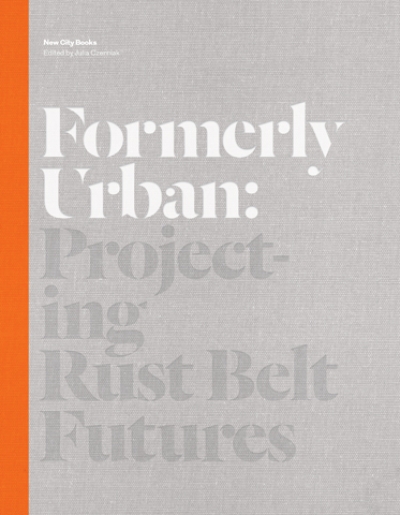
  • Julia Czerniak (Ed.)

    Formerly Urban. Projecting Rust Belt Futures

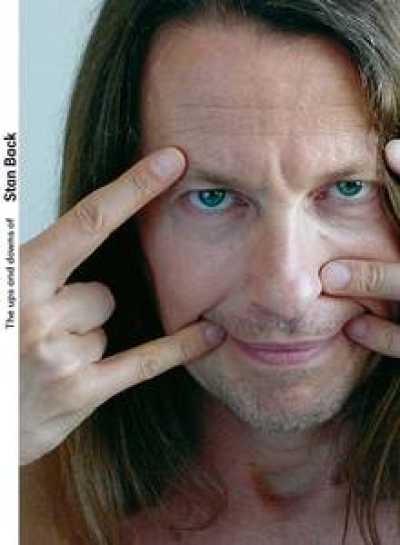
  • Stefan Römer

    The ups and downs of Stan Back

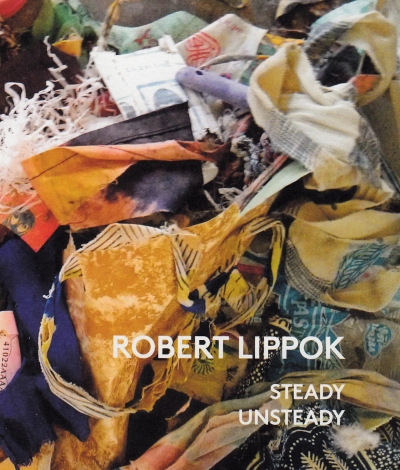
  • Robert Lippok

    Steady Unsteady

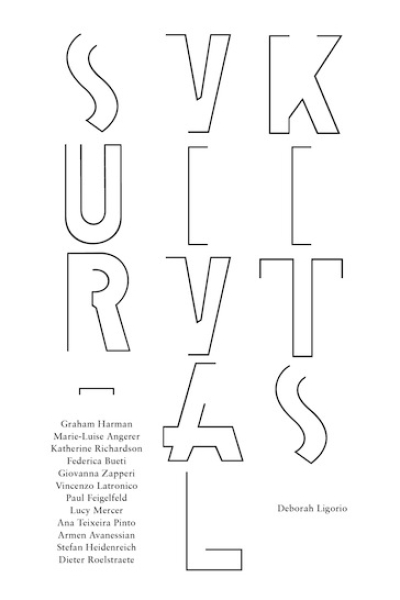
  • Deborah Ligorio

    Survival Kits

  • Barbara Vinken

    Angezogen. Das Geheimnis der Mode

  • Heimo Lattner

    A Voice That Once Was In One's Mouth

  • gerade nicht auf Lager
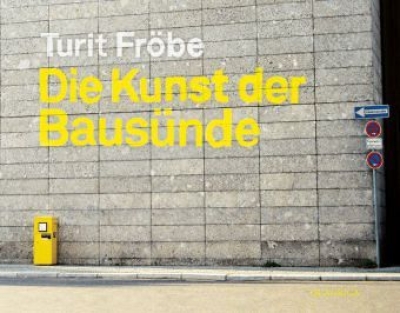
    Turit Fröbe

    Die Kunst der Bausünde

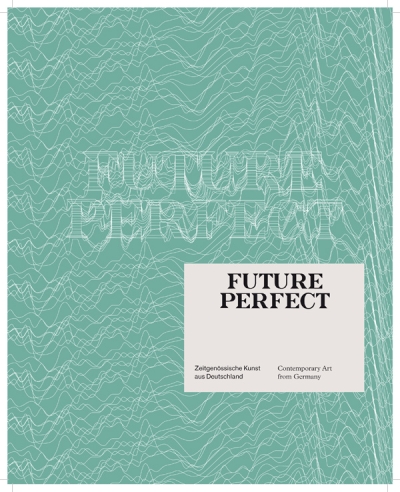
  • IFA (Ed.)

    Future Perfect. Contemporary Art from Germany

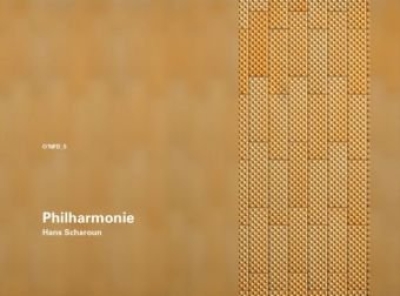
  • Wilfried Wang, Dan Sylvester (Hg.)

    Hans Scharoun. Philharmonie

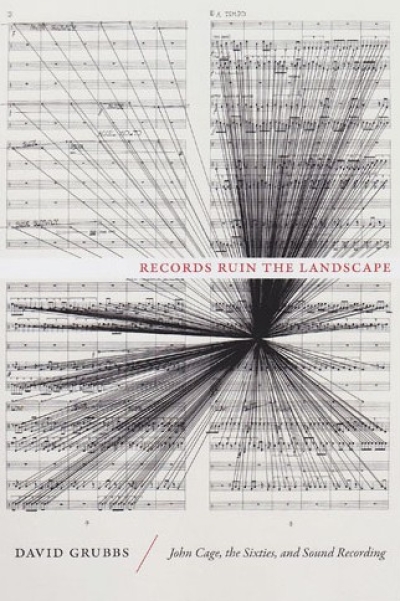
Records Ruin the Landscape. John Cage, the Sixties, and Sound Recording

John Cage's disdain for records was legendary. He repeatedly spoke of the ways in which recorded music was antithetical to his work. In Records Ruin the Landscape, David Grubbs argues that, following Cage, new genres in experimental and avant-garde music in the 1960s were particularly ill-suited to be represented in the form of a recording. These activities include indeterminate music, long-duration minimalism, text scores, happenings, live electronic music, free jazz, and free improvisation. How could these proudly evanescent performance practices have been adequately represented on an LP? In their day, few of these works circulated in recorded form. By contrast, contemporary listeners can encounter this music not only through a flood of LP and CD releases of archival recordings, but also in even greater volume through Internet file-sharing and online resources. Present-day listeners are coming to know that era's experimental music through the recorded artifacts of composers and musicians who largely disavowed recordings. In Records Ruin the Landscape, Grubbs surveys a musical landscape marked by altered listening practices.
"Records Ruin the Landscape is a pleasure to read, full of wonderful anecdotes and historical material. David Grubbs approaches John Cage and his legacy from a new and refreshing angle, by examining the vexed relationship of experimental and improvised music to recording and phonography. The questions that he poses - about the ontology and potentiality of recording in relation to live performance, improvisation, chance, and indeterminacy - are important, and he answers them in smart and provocative ways." - Christoph Cox, coeditor of Audio Culture: Readings in Modern Music "The premise of [Grubbs's] understandably authoritative first book is that experimental music's flowering in the 1960s... was incompatible with the limitations of orthodox recording formats...With an engaging frankness... Grubbs contrasts this tendency with his own fan-by appetite for records and the documentary efficacy of the contemporary digital realm, concluding positively that the latter potentially offers unmediated, universal access to the panoply of esoteric music - something unthinkable in the 1960s." - David Sheppard, Mojo "Ambivalence is a central theme of David Grubbs' records Ruin the Landscape. Specifically his interest is in experimental music of the 1960s [...] This is an engaging book." - Times Higher Education "The book is a swift and delightful document of ambivalence. [...] One needn't be a committed fan of Cage's, or Bailey's, to enjoy the challenge of thinking about how recordings alter, enhance, or distort the experience of live performance." - New Yorker "For compositions whose whole raison d'etre is to generate a drastically different realization with every performance (most often by providing "scores" that give the performers tremendous latitude), no recording of any one performance could be said to "be" the piece. David Grubbs's exhaustively researched Records Ruin the Landscape explores this dilemma specifically as it affected the generation of avant-garde composers who hit their stride in the sixties, John Cage being the most prominent and outspoken among them." - Los Angeles Review of Books "The risk writers run, of course, with the big questions approach, is universalising their personal narrative in order to present the big answer. Grubbs is too skilled and self-aware to run into this problem. His breadth of research in musicology and aesthetic theory is balanced in this short and engaging book with candid writing about his own experiences of recordings of experimental music. [...] It is testament to Grubbs's sensitivity as a writer that sympathetic picture merges of these musicians, who seem often to be railing against hierarchies they can't quite help being part of." - The Wire "[A] rather magnificent survey of the ideas of the experimental music world over the last 40 or 50 years that doubles as an offhanded paean to record collecting. Grubbs not only knows about all of this stuff, he cares deeply about it, and there aren't that many punk guitarists whose range of interests is quite this wide [...] In this way, it seems that Grubbs is sort of a one of a kind." - Salon
David Grubbs is Associate Professor in the Conservatory of Music at Brooklyn College, City University of New York, where he also teaches in the M.F.A. programs in Performance and Interactive Media Arts and Creative Writing. As a musician, he has released twelve solo albums and appeared on more than 150 commercially released recordings. Grubbs was a founding member of the groups Gastr del Sol, Bastro, and Squirrel Bait, and has appeared on recordings by the Red Krayola, Tony Conrad, Pauline Oliveros, Will Oldham, and Matmos, among other artists. He is known for cross-disciplinary collaborations with the writers Susan Howe and Rick Moody and the visual artists Anthony McCall, Angela Bulloch, and Stephen Prina. A grant recipient in music/sound from the Foundation for Contemporary Arts, Grubbs has written for "The Wire," "Bookforum," and the "Suddeutsche Zeitung."


David Grubbs
Records Ruin the Landscape. John Cage, the Sixties, and Sound Recording
Duke, 2014, 9780822355908
gerade nicht auf Lager