






Direkt zum Inhalt

Warenkorb

  • gerade nicht auf Lager
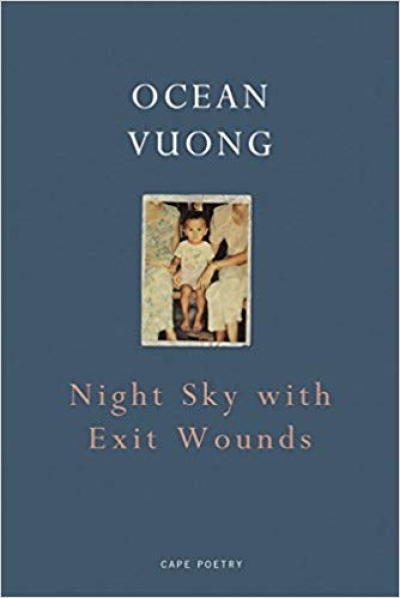
    Ocean Vuong

    Night Sky With Exit Wounds

  • gerade nicht auf Lager
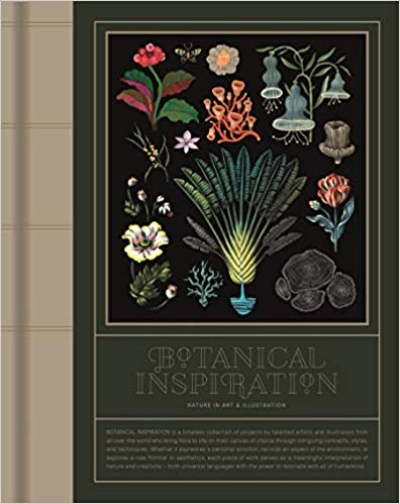
    Viction Workshop (Ed.)

    Botanical Inspiration: Nature in Art and Illustration

  • gerade nicht auf Lager
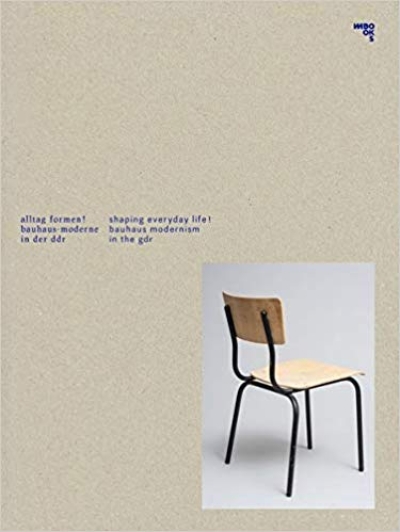
    Florentine Nadolni (Hg.)

    Alltag formen!: Bauhaus-Moderne in der DDR

  • gerade nicht auf Lager
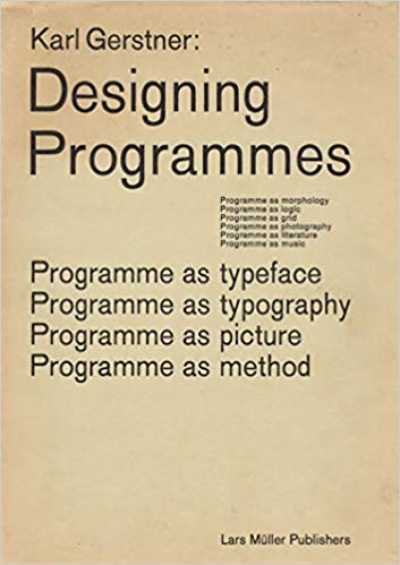
    Karl Gerstner

    Designing Programmes: Programme as Typeface, Typography,…

  • gerade nicht auf Lager
    Maarten Van Den Driessche (Ed.)

    Robbrecht en Daem: An Architectural Anthology

  • C. Blanchfield, F. Lotfi-Jam

    Modern Management Methods - Architecture, Historical Value…

  • Shirin Sabahi

    Pocket Folklore

  • gerade nicht auf Lager
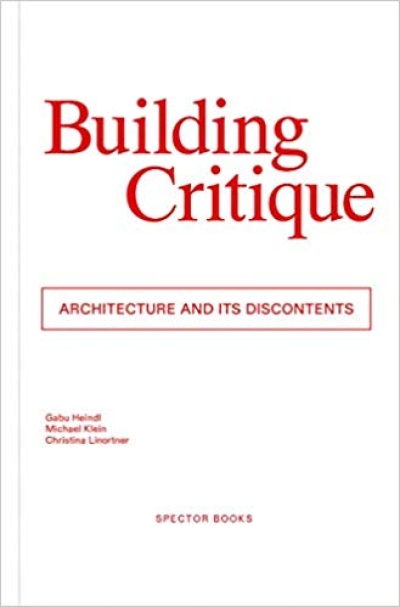
    Heindl, Klein, Linortner (Eds)

    Building Critique: Architecture and its Discontents

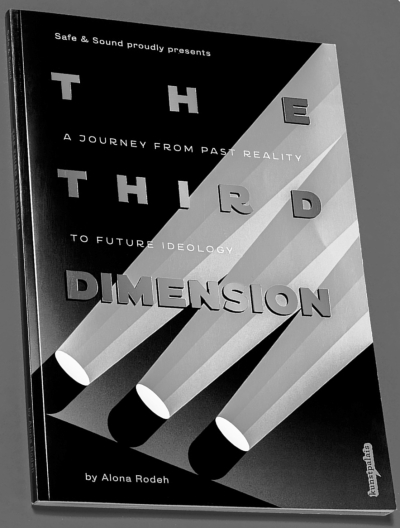
  • Alona Rodeh, Kunstpalais

    The Third Dimension. A Journey from Past Reality to Future…

  • Rike Felka

    Biomorphe Architekturen

  • gerade nicht auf Lager
    Cooking Sections

    The Empire Remains Shop

  • gerade nicht auf Lager
    Alonso, Palmarola (eds.)

    Flying Panels: How Concrete Panels Changed the World

  • gerade nicht auf Lager
    Laura Sobral

    Doing it Together. Cooperation Tools for the City Co-…

  • M. Hieslmair, M. Zinganel (Hg)

    Stop and Go. Nodes of Transformation and Transition

  • Rike Frank, Beatrice von Bismarck

    Of(f) Our Times: Curatorial Anachronics

  • gerade nicht auf Lager
    Sara Ahmed

    What's the Use? On the Uses of Use

  • gerade nicht auf Lager
    Graham Harman

    Art and Objects

  • gerade nicht auf Lager
    Benjamin Bratton

    The Terraforming

  • Michael Hieslmair, Michael Zinganel (…

    Stop and Go. Nodes of Transformation and Transition

  • Ana Vujanovic, Livia Piazza (Ed.)

    A Live Gathering: Performance and Politics in Contemporary…

  • edu-factory

    Alle Macht der selbstorganisierten Wissensproduktion

  • Alona Rodeh

    FIRE: Safe & Sound

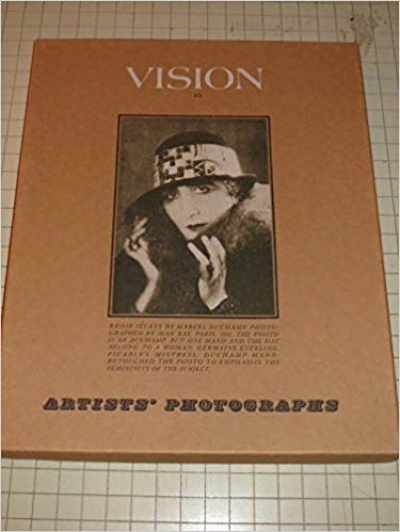
  • Vision 5

    Artists Photographs

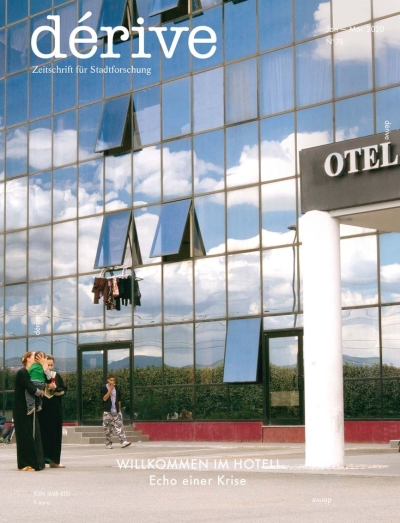
  • dérive

    dérive N° 78, Willkommen im Hotel! (Jan-Mar 2020)

  • gerade nicht auf Lager
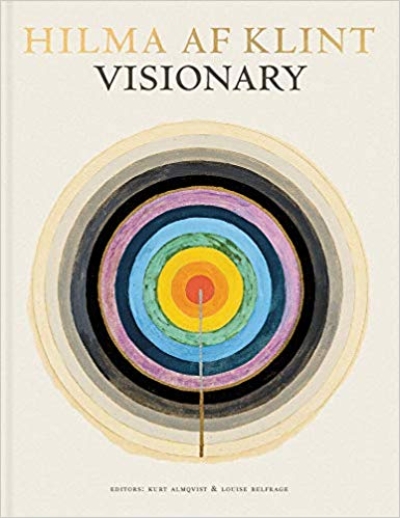
    Hilma Af Klint

    Visionary

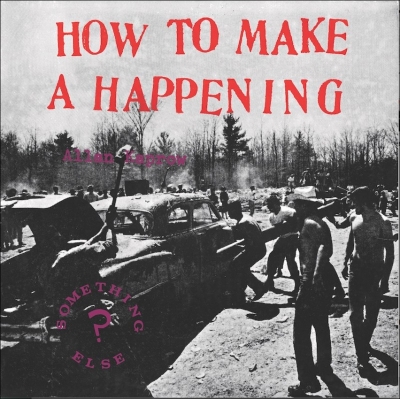
  • Allan Kaprow

    How To Make A Happening CD

  • gerade nicht auf Lager
    Ruth Sonderegger

    Polyphone Ästhetik: Eine kritische Situierung

  • gerade nicht auf Lager
    Philipp Oswalt

    Marke Bauhaus 1919-2019: Der Sieg der ikonischen Form über…

  • Marie-Pier Boucher, Stefan Helmreich,…

    Being Material

  • gerade nicht auf Lager
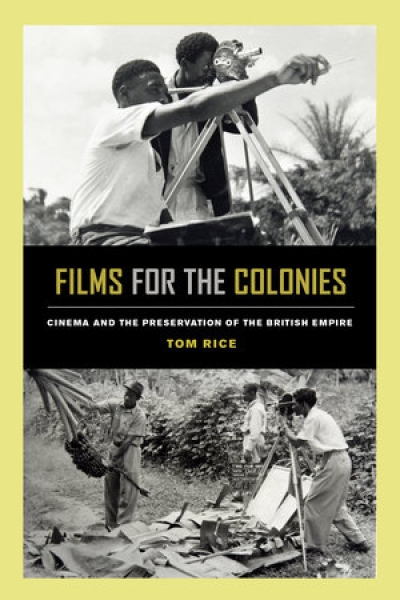
    Tom Rice

    Films for the Colonies. Cinema and the Preservation of the…

  • Jürgen Habermas

    Auch eine Geschichte der Philosophie. Bd 1: Die okzidentale…

  • gerade nicht auf Lager
    Constance DeJong, Andrew Lampert (Ed.)

    Tony Conrad. Writings

  • gerade nicht auf Lager
    Silvio Lorusso

    ENTREPRECARIAT. everyone is an entrepreneur nobody is safe

  • Maria Lind

    Seven Years. The Rematerialisation of Art from 2011 to 2017

  • G. Raunig

    Maschinen Fabriken Industrien

  • gerade nicht auf Lager
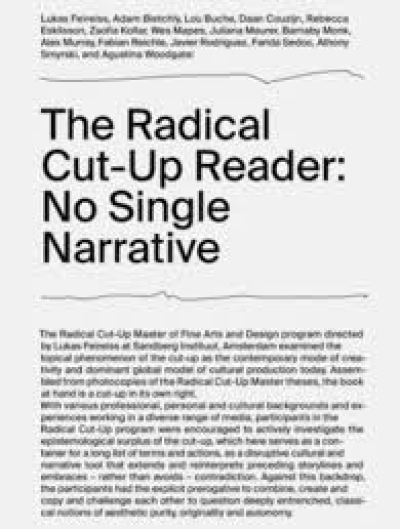
    Lukas Feireiss (Ed.)

    The Radical Cut-Up Reader: No Single Narrative

  • Juliane Streich (Hg.)

    These Girls. Ein Streifzug durch die feministische…

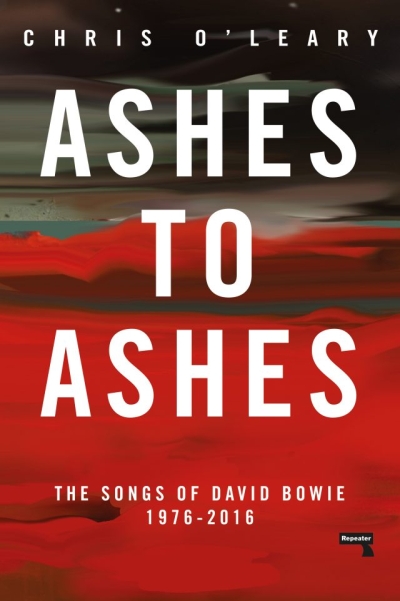
  • Chris O'Leary

    Ashes to Ashes. The Songs of David Bowie, 1976-2016

  • gerade nicht auf Lager
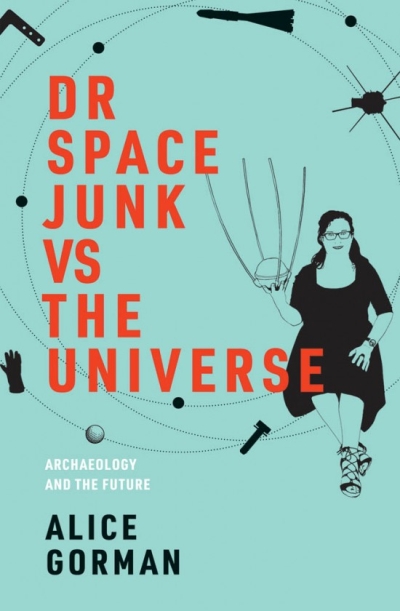
    Alice Gorman

    Dr Space Junk vs The Universe. Archaeology and the Future

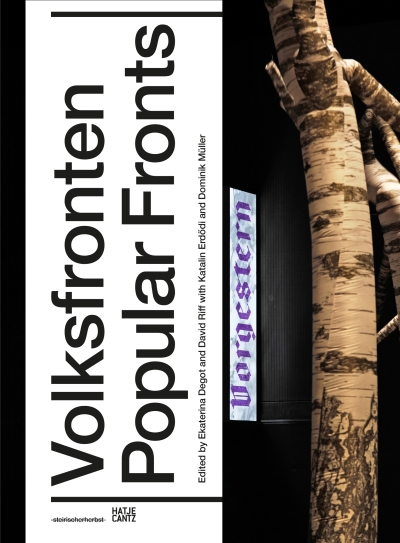
  • Ekaterina Degot, David Riff, Katalin…

    Volksfronten / Popular Fronts. Art and Populism in an Era…

  • gerade nicht auf Lager
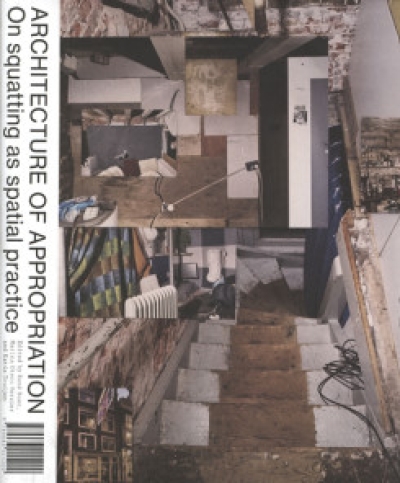
    Rene Boer, Marina Otero Verzier, Katia…

    Architecture of Appropriation. On Squatting as Spatial…

  • gerade nicht auf Lager
    Susan Ferguson

    Women and Work. Feminism, Labour, and Social Reproduction

  • gerade nicht auf Lager
    John Cage (Laura Kuhn, Ed.)

    Love, Icebox. Letters from John Cage to Merce Cunningham

  • Julia Eckhardt

    Eliane Radigue. Intermediary Spaces. Espaces Intermediaires

  • gerade nicht auf Lager
    Adolph Stiller, Aneta Bulant-Kamenova (…

    Stefka Georgieva: Architektin der 1960er Jahre in Bulgarien

  • gerade nicht auf Lager
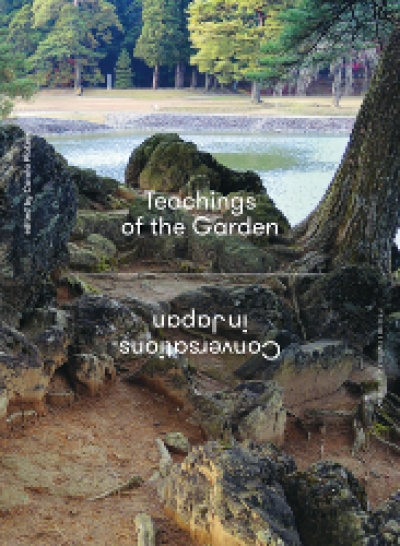
    Carola Platzek (Hg.)

    Teachings of the Garden

  • gerade nicht auf Lager
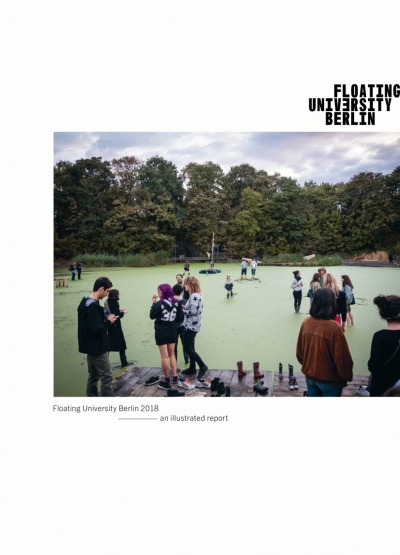
    raumlaborberlin (Hg.)

    Floating University Berlin 2018. An illustrated report

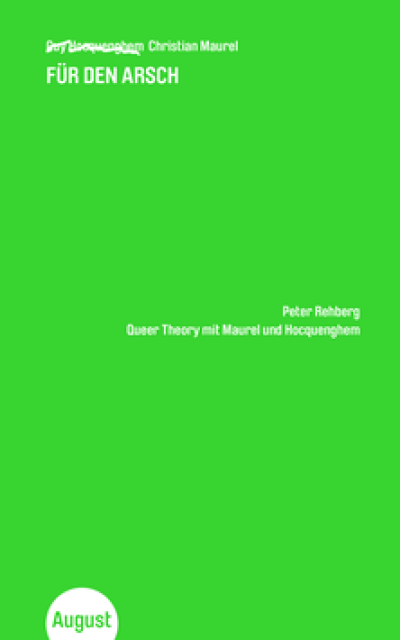
  • Christian Maurel / Peter Rehberg

    Für den Arsch / Energie ohne Macht. Christian Maurels…

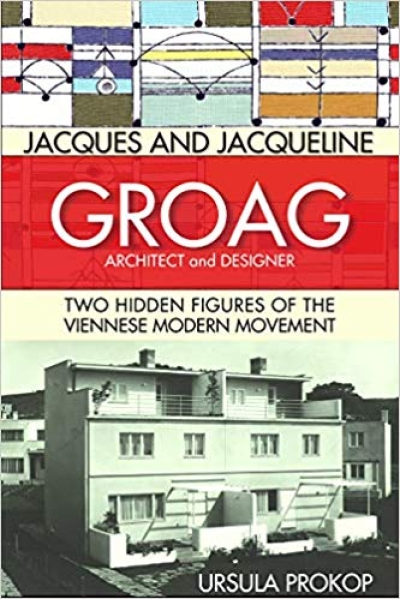
  • Ursula Prokop

    Jacques and Jacqueline Groag, Architect and Designer: Two…

  • gerade nicht auf Lager
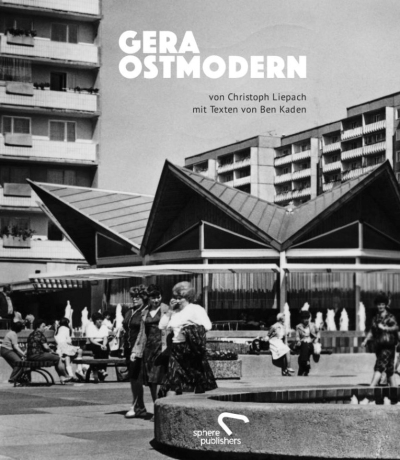
    Christoph Liepach

    Gera Ostmodern

  • gerade nicht auf Lager
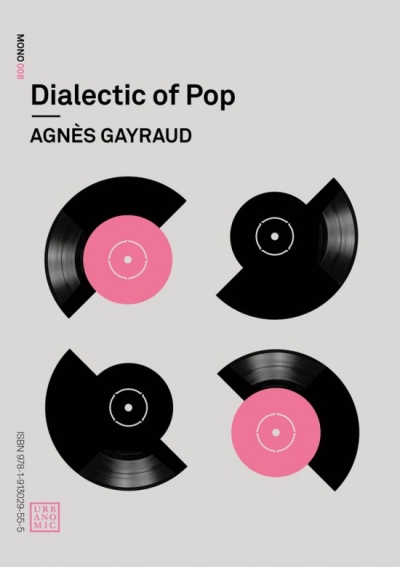
    Agnès Gayraud

    Dialectic of Pop

  • gerade nicht auf Lager
    Alina Popa

    Alina Popa. Square of Will in Square of Love. Texts, Notes…

  • gerade nicht auf Lager
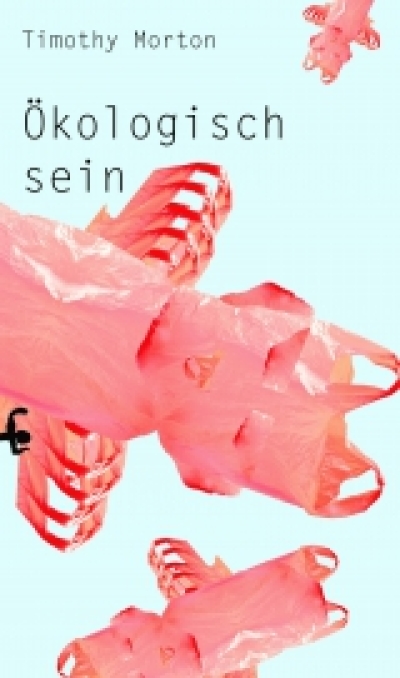
    Timothy Morton

    Ökologisch sein

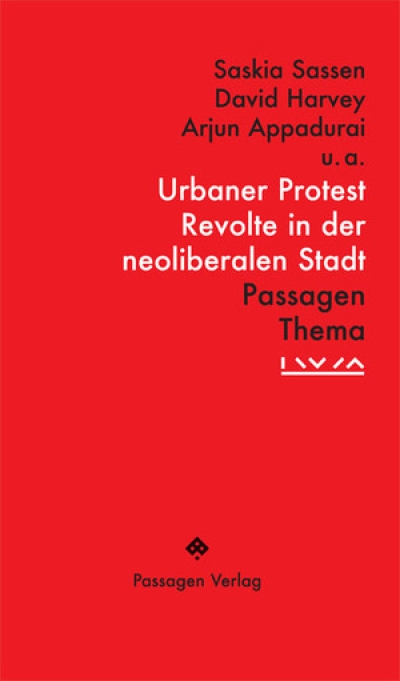
  • Saskia Sassen, David Harvey, Arjun…

    Urbaner Protest. Revolte in der neoliberalen Stadt

  • gerade nicht auf Lager
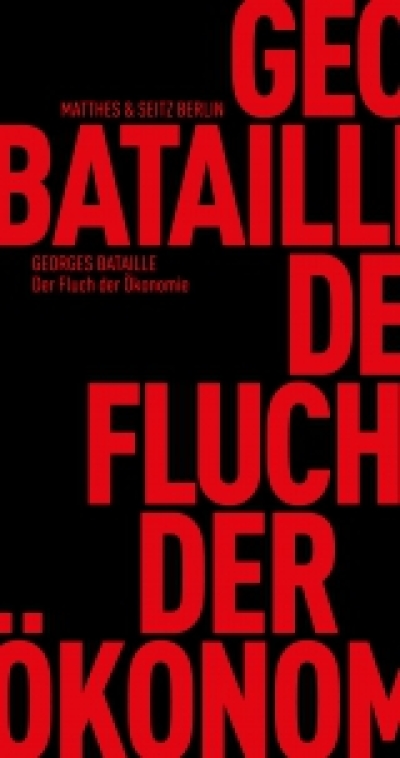
    Georges Bataille

    Der Fluch der Ökonomie

  • gerade nicht auf Lager
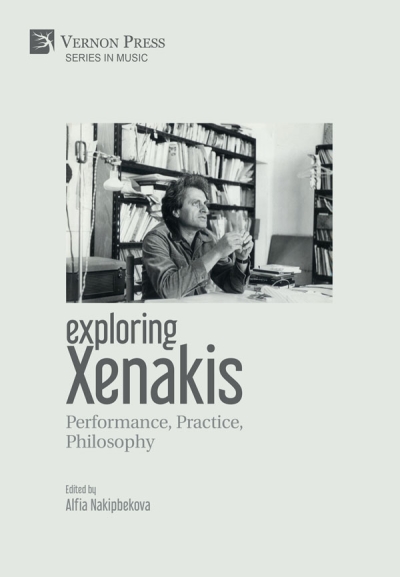
    Alfia Nakipbekova (Ed.)

    Exploring Xenakis. Performance, Practice, Philosophy

  • gerade nicht auf Lager
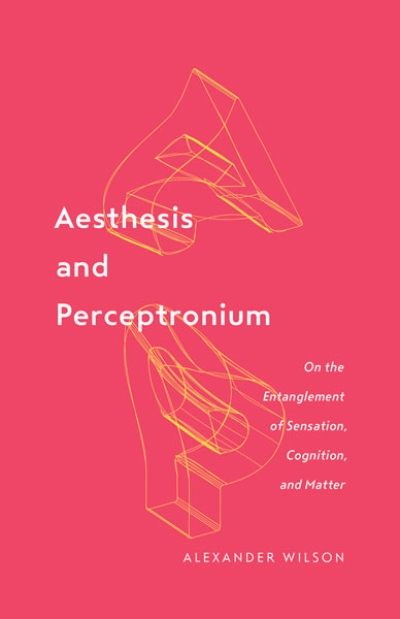
    Alexander Wilson

    Aesthesis and Perceptronium. On the Entanglement of…

  • gerade nicht auf Lager
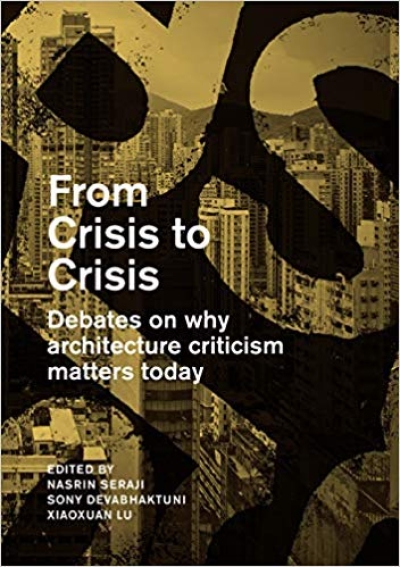
    Seraji, Devabhaktuni, Lu (Eds.)

    From Crisis to Crisis: Debates on Why Architecture Criticsm…

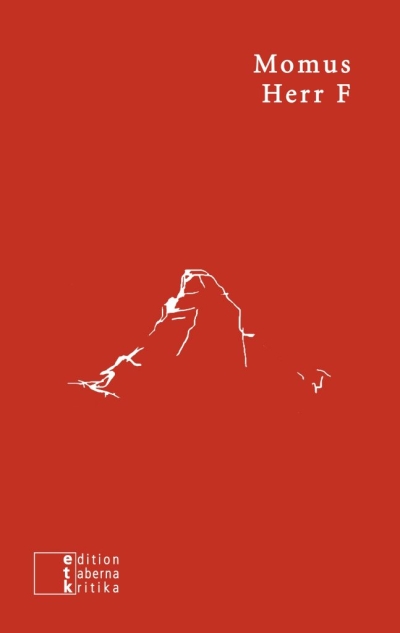
  • Momus

    Herr F

  • gerade nicht auf Lager
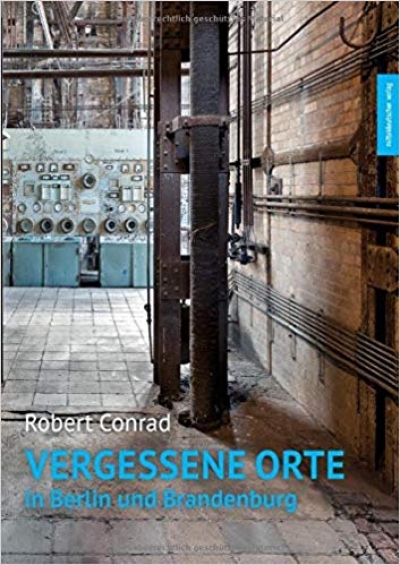
    Robert Conrad

    Vergessene Orte in Berlin und Brandenburg

  • gerade nicht auf Lager
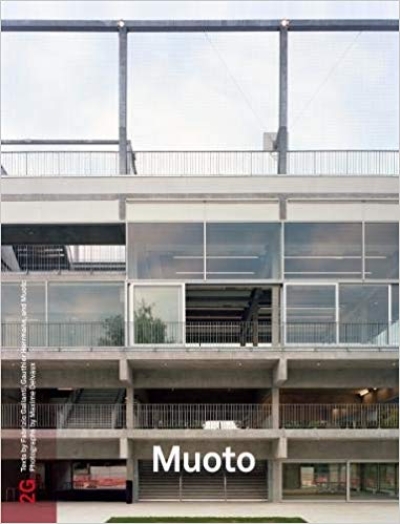
    2G / # 79

    Studio Muoto (Paris)

  • Ingeborg Bloem & Klaus Kempenaars

    Branded Protest. The Power of Branding and its Influence on…

  • Wiel Arets

    Un-Conscious-City

  • gerade nicht auf Lager
    Achille Mbembe

    Necropolitics

  • K. Jacobson, A. Ray (eds)

    ...and Other Such Stories: 2019 Chicago Architecture…

  • gerade nicht auf Lager
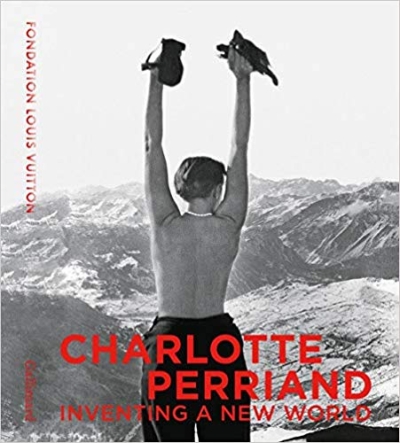
    Barsac, Cheruet, Perriand (eds.)

    Charlotte Perriand: Inventing A New World

  • gerade nicht auf Lager
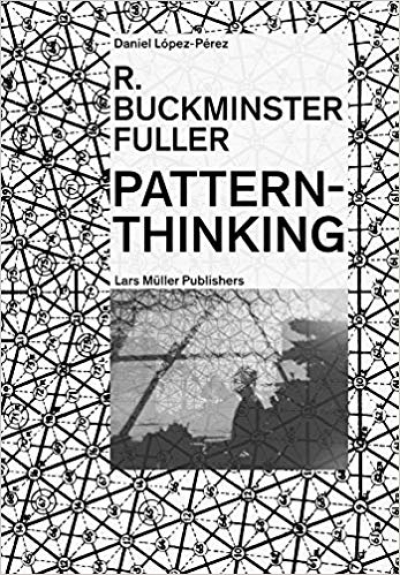
    Daniel López-Pérez

    R. Buckminster Fuller - Pattern-Thinking

  • gerade nicht auf Lager
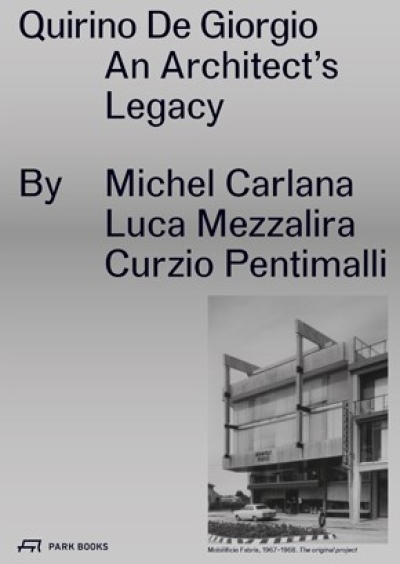
    Carlana, Mezzalira, Pentimalli (eds.)

    Quirino De Giorgio. An Architect's Legacy

  • gerade nicht auf Lager
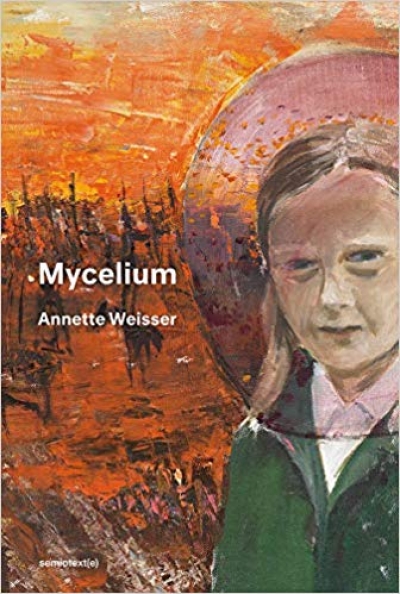
    Annette Weisser

    Mycelium

  • gerade nicht auf Lager
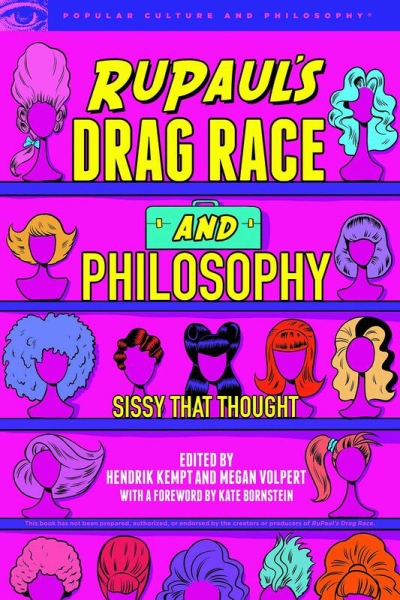
    Hendrik Kempt, Megan Volpert (Ed.)

    RuPaul's Drag Race and Philosophy. Sissy That Thought

  • gerade nicht auf Lager
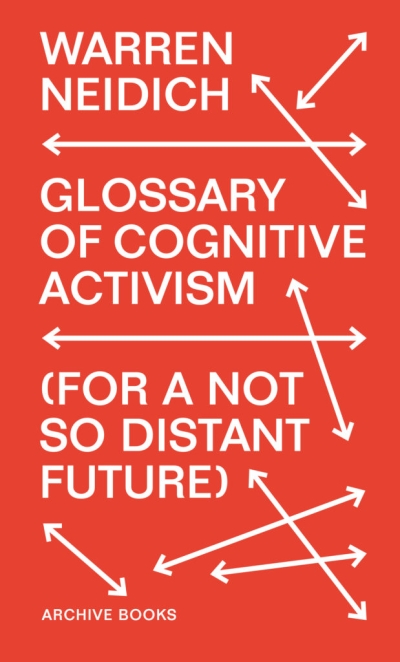
    Warren Neidich

    The Glossary of Cognitive Activism (For a not so distant…

  • gerade nicht auf Lager
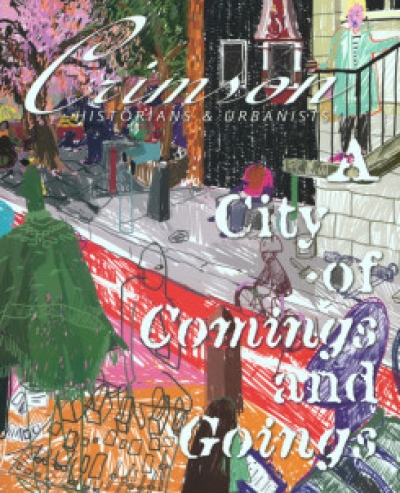
    Crimson Historians & Urbanists

    City of Comings and Goings

  • gerade nicht auf Lager
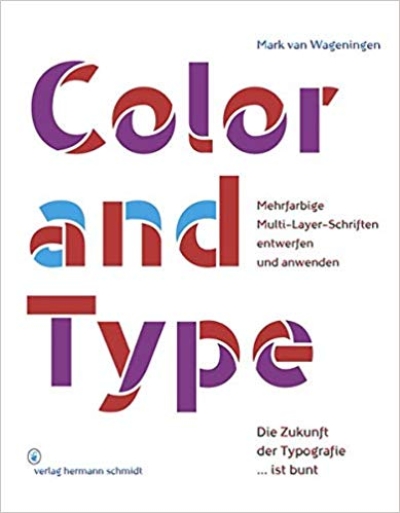
    Mark van Wageningen

    Color and Type: Mehrfarbige Multi-Layer-Schriften entwerfen…

  • gerade nicht auf Lager
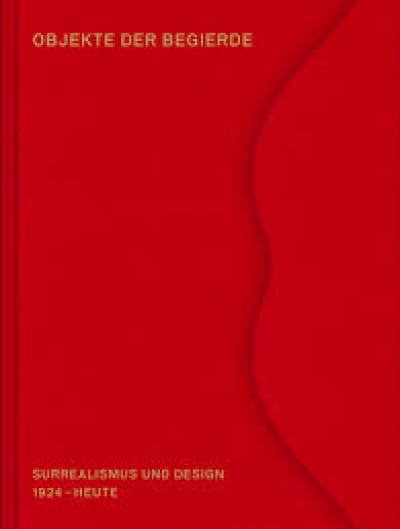
    M. Kries, T. Cunz (Hg)

    Objekte der Begierde. Surrealismus und Design 1924 - Heute

  • gerade nicht auf Lager
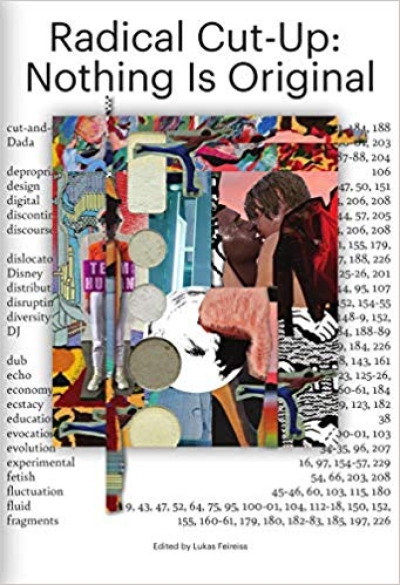
    Lukas Feireiss

    Radical Cut-Up: Nothing Is Original

  • Chanon Goodwin (Ed.)

    Permanent Recession: A Handbook on Art, Labour and…

  • gerade nicht auf Lager
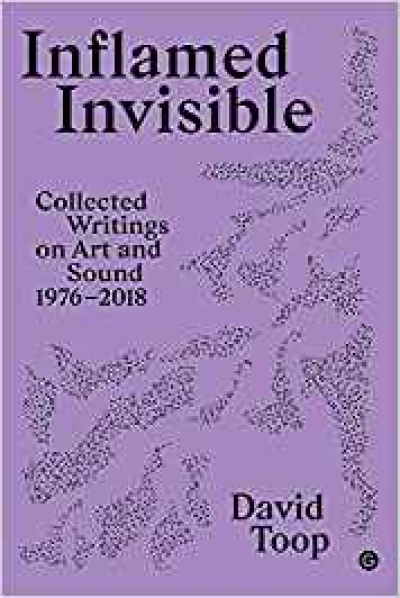
    David Toop

    Inflamed Invisible: Collected Writings on Art and Sound,…

  • gerade nicht auf Lager
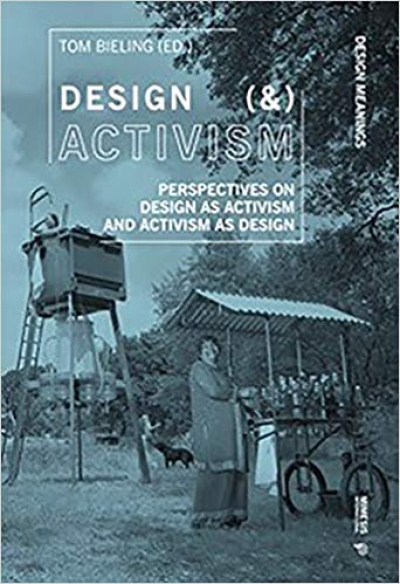
    Tom Bieling (Ed.)

    Design (&) Activism: Perspectives on Design as Activism…

  • gerade nicht auf Lager
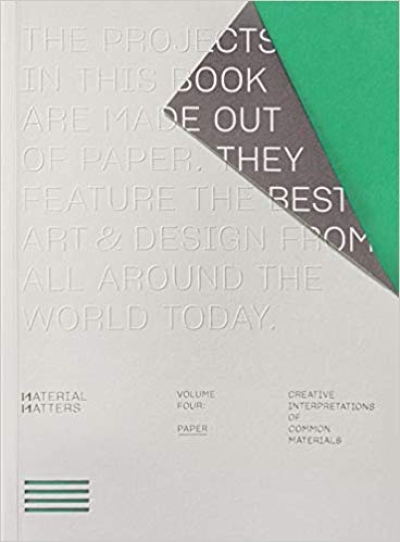
    Material Matters 04

    Paper: Creative interpretations of common materials

  • gerade nicht auf Lager
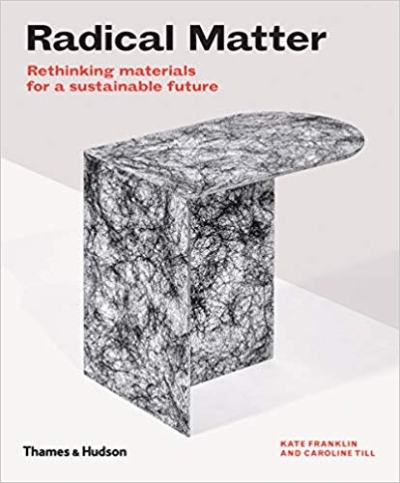
    Kate Franklin, Caroline Till

    Radical Matter: Rethinking Materials for a Sustainable…

  • gerade nicht auf Lager
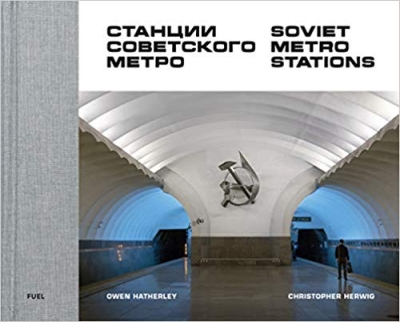
    Owen Hatherley, Christopher Herwig

    Soviet Metro Stations

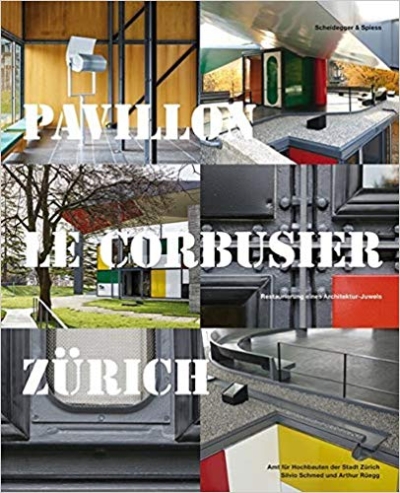
  • Amt für Hochbauten der Stadt Zürich

    Pavillon Le Corbusier Zürich: Restaurierung eines…

  • gerade nicht auf Lager
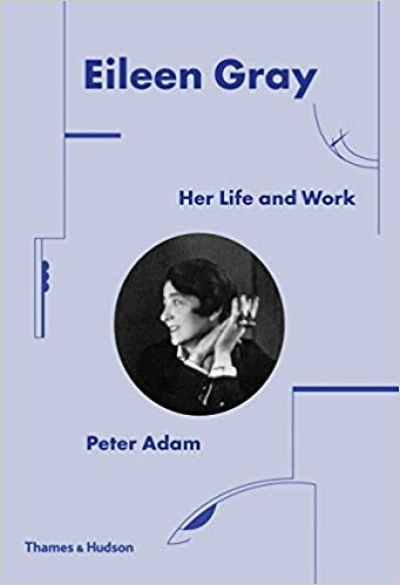
    Peter Adam

    Eileen Gray: Her Life and Work

  • gerade nicht auf Lager
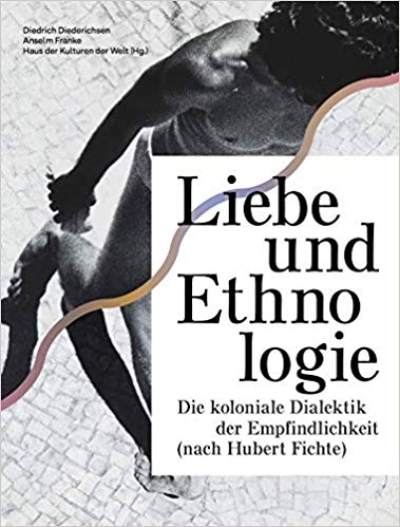
    Diedrich Diederichsen, Anselm Franke (…

    Liebe und Ethnologie: die koloniale Dialektik der…

  • gerade nicht auf Lager
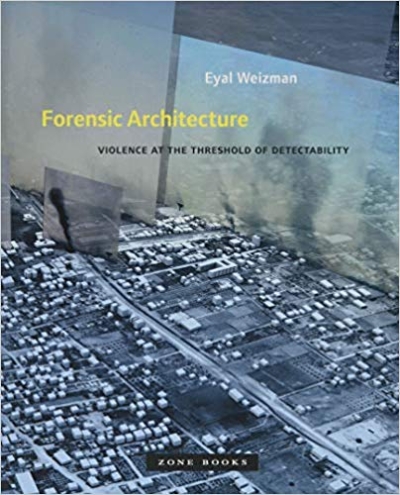
    Eyal Weizman

    Forensic Architecture: Violence at the Threshold of…

  • gerade nicht auf Lager
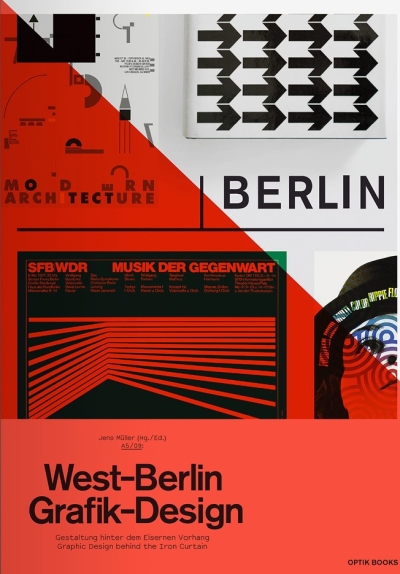
    Jens Müller (Ed.)

    West-Berlin Grafik-Design. Gestaltung hinter dem Eisernen…

  • gerade nicht auf Lager
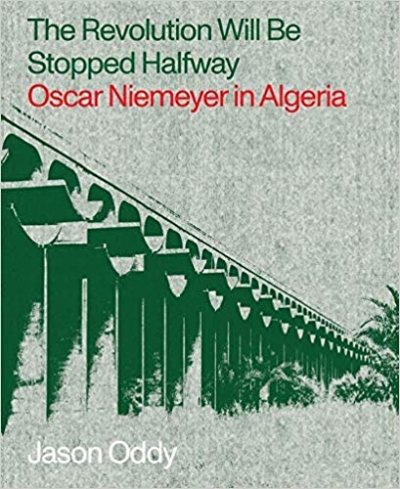
    Jason Oddy

    Revolution Will Be Stopped Halfway: Oscar Niemeyer in…

  • Alessandro Zambelli

    Scandalous Space - Between architecture and archaeology

  • gerade nicht auf Lager
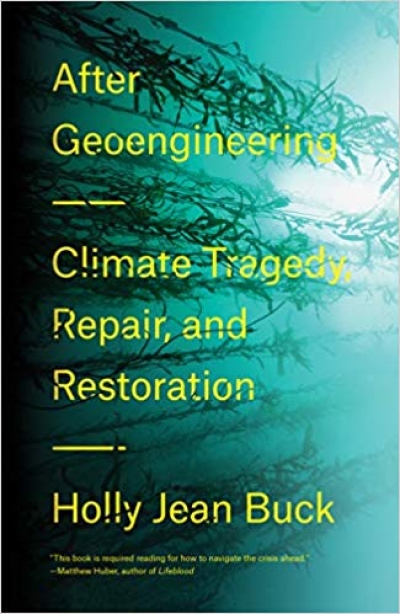
    Holly Buck

    After Geoengineering: Climate Tragedy, Repair, and…

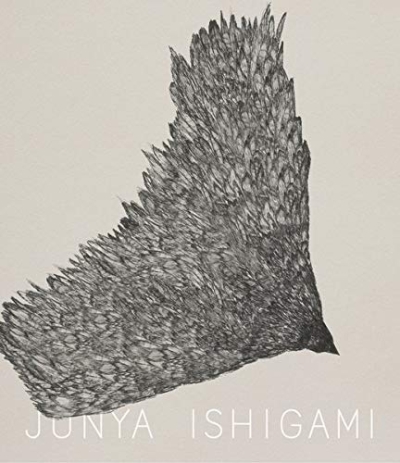
  • Junya Ishigami

    Serpentine Pavilion 2019

  • gerade nicht auf Lager
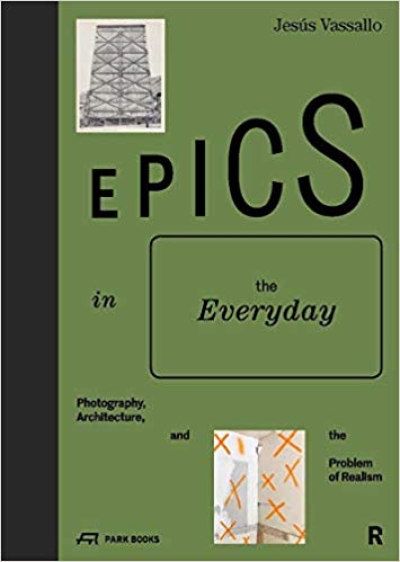
    Jesús Vassallo

    Epics in the Everyday: Photography, Architecture, and the…

  • gerade nicht auf Lager
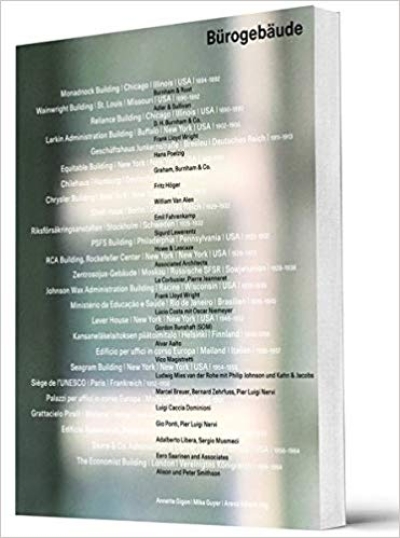
    A. Gigon, M. Guyer (Hg.)

    Bürogebäude

  • gerade nicht auf Lager
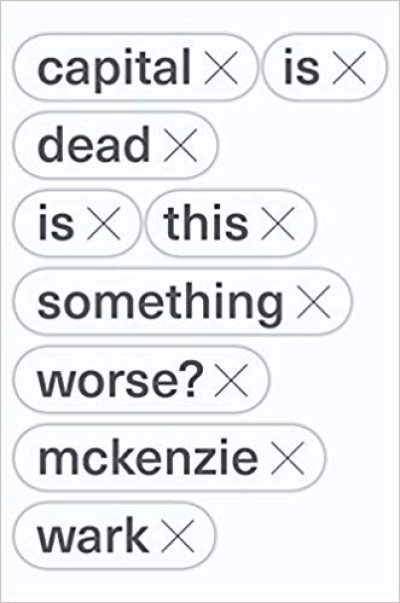
    Mckenzie Wark

    Capital Is Dead: Is This Something Worse?

  • gerade nicht auf Lager
    Susanne Hefti & Damjan Kokalevski

    Skopje Walkie Talkie

  • gerade nicht auf Lager
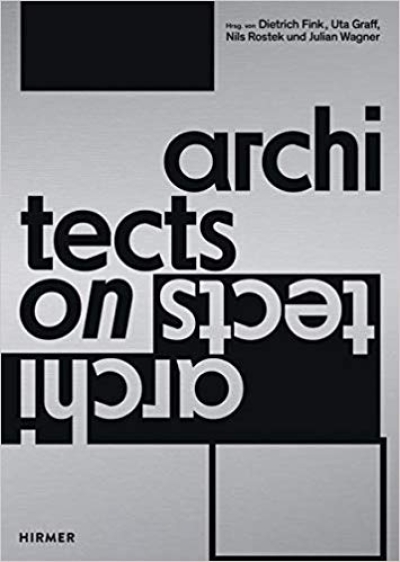
    Fink, Graff, Rostek, Wagner (Hg.)

    Architects on Architects

  • gerade nicht auf Lager
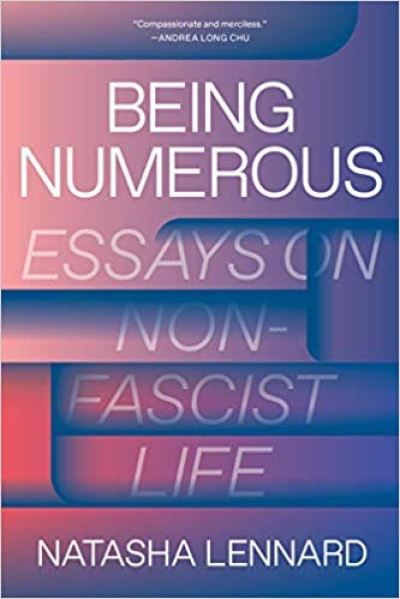
    Natasha Lennard

    Being Numerous. Essays on Non-Fascist Life

  • gerade nicht auf Lager
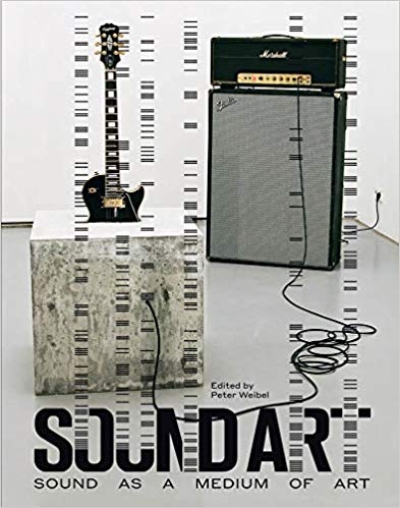
    Peter Weibel (Hg.)

    Sound Art: Sound as a Medium of Art

  • gerade nicht auf Lager
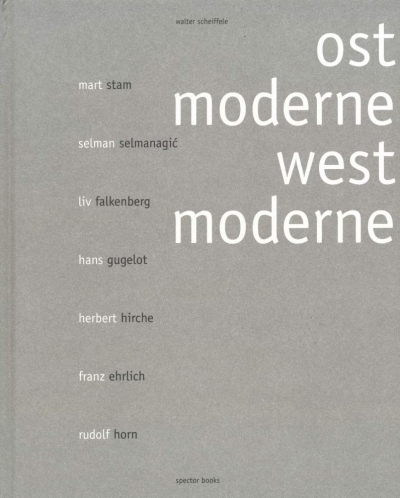
    Walter Scheiffele

    Ostmoderne-Westmoderne

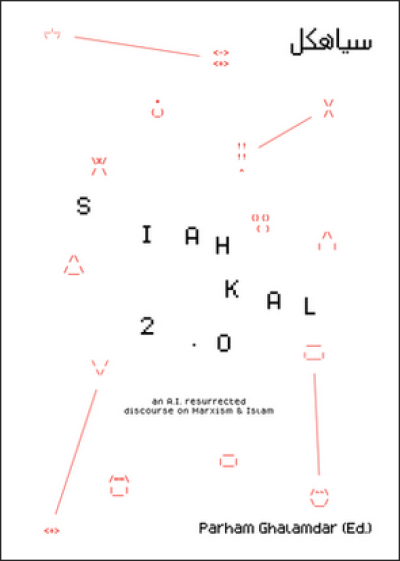
SIAHKAL 2.0: An A.I. resurrected discourse on Marxism & Islam


Siahkal names a place in the forests of Gilan and a threshold in revolutionary time. In 1971 a guerrilla action near Siahkal shook the order of the Shah. The action failed militarily yet seeded a myth for the People’s Fedai Guerrillas. Bizhan Jazani, a founding thinker, wrote and painted in prison and was executed in 1975. His work teaches that strategy rather than sentiment endures. // This book treats Siahkal as a Deep Object, a persistent attractor that gathers memory, images, and tactics. An AI model trained on Jazani’s writings and paintings translates his essay on Islamic Marxism and proposes annotations. The machine functions as a probe that widens attention while remaining accountable to the source. Parham Ghalamdar trained the AI, wrote the introduction, and composed ASCII diagrams and diagrammatic readings from Jazani’s artworks. Parsa Esmaeilzadeh contributes an essay that reads Jazani through Karatani and left accelerationism. // It is a call to reimagine and export revolution as a Deep Object that asks for Deep Time to unfold. This clandestine edition invites the reader to study, test, and build strategy that can outlast the news cycle and meet the future head on.

This is a limited edition book. The author trained an LLM on the texts of a deceased theorist, and then proceeded to interact with the LLM and produce simulations of what the theorist may have said in regards to various pertinent topics. The book is primarily a free online resource, but a few copies are being printed to commemorate the work. It has a foreword and afterword by the Editors.

At the core of this project is a translation of “Marxist Islam or Islamic Marxism,” a groundbreaking text written by Bizhan Jazani during his imprisonment in the 1970s under the Shah’s oppressive regime. Translated by Parham Ghalamdar, this work is accompanied by an introduction contextualizing Jazani’s radical vision. Ghalamdar also contributes a series of ASCII-style illustrations and diagrams—AI-assisted reinterpretations of Jazani’s original paintings and photographs—that bridge the past and present, offering a new perspective on his revolutionary artistry.


About the author
Parham Ghalamdar is a multidisciplinary artist currently based in the UK. Ghalamdar’s work traces forgotten mythologies, buried philosophies, and visual ruins, reconfiguring them into speculative worlds where memory, fiction, and futurism collapse into one another. Drawing on cybernetic theory and generative AI, he explores how systems of feedback, simulation, and machine vision mediate our understanding of history and possibility. Through painting, film, and writing, he builds narratives that feel both ancient and yet-to-come, haunted by lost histories and animated by possible futures.


Siahkal
names a place in the forests of Gilan and a threshold in revolutionary
time. In 1971 a guerrilla action near Siahkal shook the order of the
Shah. The action failed militarily yet seeded a myth for the People’s
Fedai Guerrillas. Bizhan Jazani, a founding thinker, wrote and painted
in prison and was executed in 1975. His work teaches that strategy
rather than sentiment endures. // This book treats Siahkal as a Deep
Object, a persistent attractor that gathers memory, images, and tactics.
An AI model trained on Jazani’s writings and paintings translates his
essay on Islamic Marxism and proposes annotations. The machine functions
as a probe that widens attention while remaining accountable to the
source. Parham Ghalamdar trained the AI, wrote the introduction, and
composed ASCII diagrams and diagrammatic readings from Jazani’s
artworks. Parsa Esmaeilzadeh contributes an essay that reads Jazani
through Karatani and left accelerationism. // It is a call to reimagine
and export revolution as a Deep Object that asks for Deep Time to
unfold. This clandestine edition invites the reader to study, test, and
build strategy that can outlast the news cycle and meet the future head
on.


This is a limited edition book. The author trained an LLM on the texts
of a deceased theorist, and then proceeded to interact with the LLM and
produce simulations of what the theorist may have said in regards to
various pertinent topics. The book is primarily a free online resource,
but a few copies are being printed to commemorate the work. It has a
foreword and afterword by the Editors.


At the core of this project is a translation of “Marxist Islam or
Islamic Marxism,” a groundbreaking text written by Bizhan Jazani during
his imprisonment in the 1970s under the Shah’s oppressive regime.
Translated by Parham Ghalamdar, this work is accompanied by an
introduction contextualizing Jazani’s radical vision. Ghalamdar also
contributes a series of ASCII-style illustrations and
diagrams—AI-assisted reinterpretations of Jazani’s original paintings
and photographs—that bridge the past and present, offering a new
perspective on his revolutionary artistry.


About the author

Parham Ghalamdar is a multidisciplinary artist currently based in the
UK. Ghalamdar’s work traces forgotten mythologies, buried philosophies,
and visual ruins, reconfiguring them into speculative worlds where
memory, fiction, and futurism collapse into one another. Drawing on
cybernetic theory and generative AI, he explores how systems of
feedback, simulation, and machine vision mediate our understanding of
history and possibility. Through painting, film, and writing, he builds
narratives that feel both ancient and yet-to-come, haunted by lost
histories and animated by possible futures.


Siahkal
names a place in the forests of Gilan and a threshold in revolutionary
time. In 1971 a guerrilla action near Siahkal shook the order of the
Shah. The action failed militarily yet seeded a myth for the People’s
Fedai Guerrillas. Bizhan Jazani, a founding thinker, wrote and painted
in prison and was executed in 1975. His work teaches that strategy
rather than sentiment endures. // This book treats Siahkal as a Deep
Object, a persistent attractor that gathers memory, images, and tactics.
An AI model trained on Jazani’s writings and paintings translates his
essay on Islamic Marxism and proposes annotations. The machine functions
as a probe that widens attention while remaining accountable to the
source. Parham Ghalamdar trained the AI, wrote the introduction, and
composed ASCII diagrams and diagrammatic readings from Jazani’s
artworks. Parsa Esmaeilzadeh contributes an essay that reads Jazani
through Karatani and left accelerationism. // It is a call to reimagine
and export revolution as a Deep Object that asks for Deep Time to
unfold. This clandestine edition invites the reader to study, test, and
build strategy that can outlast the news cycle and meet the future head
on.


This is a limited edition book. The author trained an LLM on the texts
of a deceased theorist, and then proceeded to interact with the LLM and
produce simulations of what the theorist may have said in regards to
various pertinent topics. The book is primarily a free online resource,
but a few copies are being printed to commemorate the work. It has a
foreword and afterword by the Editors.


At the core of this project is a translation of “Marxist Islam or
Islamic Marxism,” a groundbreaking text written by Bizhan Jazani during
his imprisonment in the 1970s under the Shah’s oppressive regime.
Translated by Parham Ghalamdar, this work is accompanied by an
introduction contextualizing Jazani’s radical vision. Ghalamdar also
contributes a series of ASCII-style illustrations and
diagrams—AI-assisted reinterpretations of Jazani’s original paintings
and photographs—that bridge the past and present, offering a new
perspective on his revolutionary artistry.


About the author

Parham Ghalamdar is a multidisciplinary artist currently based in the
UK. Ghalamdar’s work traces forgotten mythologies, buried philosophies,
and visual ruins, reconfiguring them into speculative worlds where
memory, fiction, and futurism collapse into one another. Drawing on
cybernetic theory and generative AI, he explores how systems of
feedback, simulation, and machine vision mediate our understanding of
history and possibility. Through painting, film, and writing, he builds
narratives that feel both ancient and yet-to-come, haunted by lost
histories and animated by possible futures.


Siahkal names a place in the forests of Gilan and a threshold in revolutionary time. In 1971 a guerrilla action near Siahkal shook the order of the Shah. The action failed militarily yet seeded a myth for the People’s Fedai Guerrillas. Bizhan Jazani, a founding thinker, wrote and painted in prison and was executed in 1975. His work teaches that strategy rather than sentiment endures. // This book treats Siahkal as a Deep Object, a persistent attractor that gathers memory, images, and tactics. An AI model trained on Jazani’s writings and paintings translates his essay on Islamic Marxism and proposes annotations. The machine functions as a probe that widens attention while remaining accountable to the source. Parham Ghalamdar trained the AI, wrote the introduction, and composed ASCII diagrams and diagrammatic readings from Jazani’s artworks. Parsa Esmaeilzadeh contributes an essay that reads Jazani through Karatani and left accelerationism. // It is a call to reimagine and export revolution as a Deep Object that asks for Deep Time to unfold. This clandestine edition invites the reader to study, test, and build strategy that can outlast the news cycle and meet the future head on.

This is a limited edition book. The author trained an LLM on the texts of a deceased theorist, and then proceeded to interact with the LLM and produce simulations of what the theorist may have said in regards to various pertinent topics. The book is primarily a free online resource, but a few copies are being printed to commemorate the work. It has a foreword and afterword by the Editors. 

At the core of this project is a translation of “Marxist Islam or Islamic Marxism,” a groundbreaking text written by Bizhan Jazani during his imprisonment in the 1970s under the Shah’s oppressive regime. Translated by Parham Ghalamdar, this work is accompanied by an introduction contextualizing Jazani’s radical vision. Ghalamdar also contributes a series of ASCII-style illustrations and diagrams—AI-assisted reinterpretations of Jazani’s original paintings and photographs—that bridge the past and present, offering a new perspective on his revolutionary artistry.


“Bizhan Jazani”, Parham Ghalamdar
SIAHKAL 2.0: An A.I. resurrected discourse on Marxism & Islam
Becoming Press, 2025, 978-9925-8207-7-1
15,00 €