








Direkt zum Inhalt

Warenkorb

  • Albena Yaneva

    Five Ways to Make Architecture Political. An Introduction…

  • gerade nicht auf Lager
    Parasite 2.0

    Primitive Future Office

  • gerade nicht auf Lager
    Anke Fesel, Chris Keller (Hg.)

    Berlin Heartbeats: Stories from the wild years, 1990–…

  • gerade nicht auf Lager
    Drei Farben House

    Fluency Fabrics

  • gerade nicht auf Lager
    Vrachliotis, Kleinmanns, Kunz, Kurz (Hg…

    Frei Otto. Denken in Modellen

  • gerade nicht auf Lager
    Christopher Long

    Adolf Loos on Trial

  • Brillembourg, Kalagas, Klumpner,…

    Reactivate Athens

  • gerade nicht auf Lager
    Etienne Turpin, Anna-Sophie Springer (…

    The Word for World is Still Forest

  • gerade nicht auf Lager
    S. Mohebbi, R. Estevez (Hg)

    Hotel Theory Reader

  • U. Kleefisch-Jobst, P. Köddermann, K.…

    Alle wollen wohnen: Gerecht. Sozial. Bezahlbar

  • gerade nicht auf Lager
    Alain Badiou

    The True Life

  • gerade nicht auf Lager
    Hannah Black, Juliana Huxtable

    Life. A Novel

  • gerade nicht auf Lager
    Robert Barry

    The Music of the Future

  • gerade nicht auf Lager
    Clare Lyster

    Learning from Logistics. How Networks Change our Cities

  • Aaron Betsky

    Architecture Matters

  • gerade nicht auf Lager
    Sönke Gau

    Institutionskritik als Methode. Hegemonie und Kritik im…

  • David A. Hanks, Friedrich Meschede (Hg.)

    Partners in Design: Alfred H. Barr Jr. und Philip Johnson.…

  • gerade nicht auf Lager
    Alain Badiou/Pierre Bourdieu/Judith…

    Was ist ein Volk?

  • gerade nicht auf Lager
    Annette Michelson

    On the Eve of the Future. Selected Writings on Film

  • James Voorhies

    Beyond Objecthood. The Exhibition as a Critical Form since…

  • gerade nicht auf Lager
    Alexander Vasudevan

    The Autonomous City: A History of Urban Squatting

  • gerade nicht auf Lager
    Kris Paulsen

    Here/There. Telepresence, Touch, and Art at the Interface

  • gerade nicht auf Lager
    Gerd de Bruyn

    Theorie der modernen Architektur. Programmatische Texte

  • gerade nicht auf Lager
    Sven Lütticken

    Cultural Revolution: Aesthetic Practice after Autonomy

  • gerade nicht auf Lager
    Deutscher Werkbund (Hg.)

    Taut baut: Geschichten zur Architektur von Max Taut

  • gerade nicht auf Lager
    Maria Hlavajova, Simon Sheikh (Eds.)

    Former West: Art and the Contemporary after 1989

  • gerade nicht auf Lager
    Jane Rendell

    The Architecture of Psychoanalysis. Spaces of Transition

  • gerade nicht auf Lager
    Sissi Tax

    the looks, not the books (allaphbed '19)

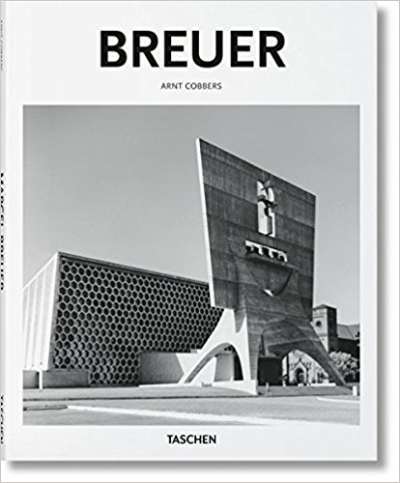
  • Arnt Cobbers

    Breuer

  • gerade nicht auf Lager
    Mercedes Bunz, Birgit M. Kaiser,…

    Symptoms of the Planetary Condition: A Critical Vocabulary

  • Marcus Verhagen

    Flows and Counterflows. Globalisation in Contemporary Art

  • gerade nicht auf Lager
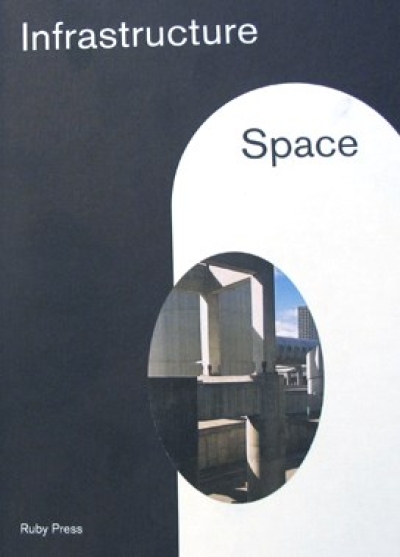
    Andreas & Ilka Ruby

    Infrastructure Space

  • gerade nicht auf Lager
    Charlotte Ashby

    Modernism in Scandinavia: Art, Architecture and Design

  • Kim Feser, Matthias Pasdzierny (Hg.)

    Techno Studies. Ästhetik und Geschichte elektronischer…

  • Berliner Hefte zu Geschichte und…

    Marx-Engels-Forum - Ja!

  • Yvonne P. Doderer

    Glänzende Städte. Geschlechter- und andere Verhältnisse in…

  • Europan 13

    The Adaptable City 2: Ergebnisse /Results

  • gerade nicht auf Lager
    Erik Kessels

    Fast Pefrekt. Die Kunst, hemmungslos zu scheitern. Wie aus…

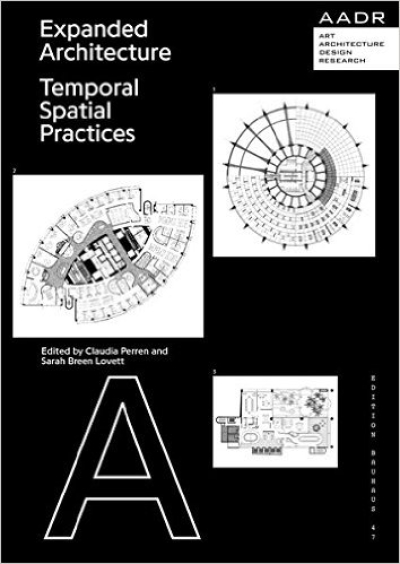
  • C. Perren, S. B. Lovett (Eds.)

    Expanded Architecture. Temporal Spatial Practices

  • gerade nicht auf Lager
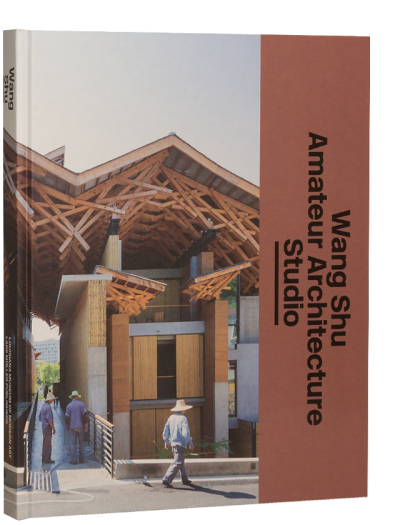
    M. Holm, K. Kjeldsen, M. Kallehauge (…

    Wang Shu. Amateur Architecture Studio

  • gerade nicht auf Lager
    Yuk Hui

    The Question Concerning Technology in China. An Essay in…

  • gerade nicht auf Lager
    Eva Birkenstock (Hg.)

    KAYA. KUB Arena Vol. 4: Ausst. Kunsthaus Bregenz 2015

  • Brian Massumi, Krystian Woznicki

    After the Planes. A Dialogue about Movement, Perception and…

  • gerade nicht auf Lager
    &beyond (Eds.)

    Archifutures Volume 1: The Museum. A Field Guide to the…

  • gerade nicht auf Lager
    Diedrich Diederichsen

    Körpertreffer. Zur Ästhetik der nachpopulären Künste

  • Gertrud Koch (Autorin) Judith Keilbach…

    Zwischen Raubtier und Chamäleon. Texte zu Film, Medien,…

  • Siegfried Kracauer (Author), Carl…

    Georg

  • gerade nicht auf Lager
    Katherine Behar (Ed.)

    Object-Oriented Feminism

  • gerade nicht auf Lager
    Hilary Sample

    Maintenance Architecture

  • gerade nicht auf Lager
    Chris Kraus

    I Love Dick

  • gerade nicht auf Lager
    John R. Gold

    The Practice of Modernism: Modern Architects and Urban…

  • gerade nicht auf Lager
    Peggy Deamer, Martin Reinhold

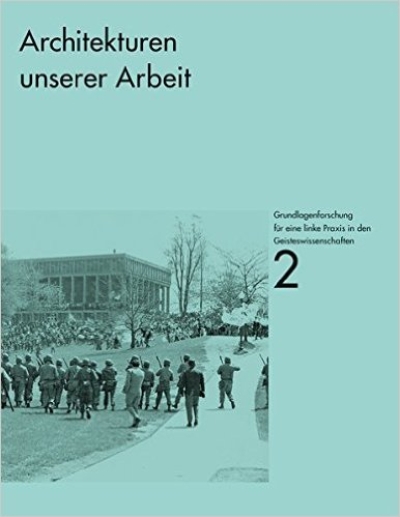
    Architekturen unserer Arbeit

  • gerade nicht auf Lager
    Gabriele Köster, Michael Stöneberg

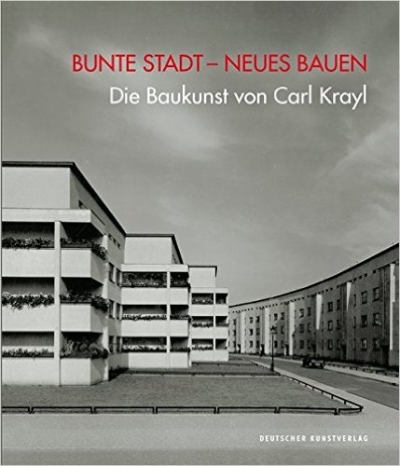
    Bunte Stadt - Neues Bauen: Die Baukunst von Carl Krayl

  • gerade nicht auf Lager
    B. von Bismarck, B. Meyer-Krahmer

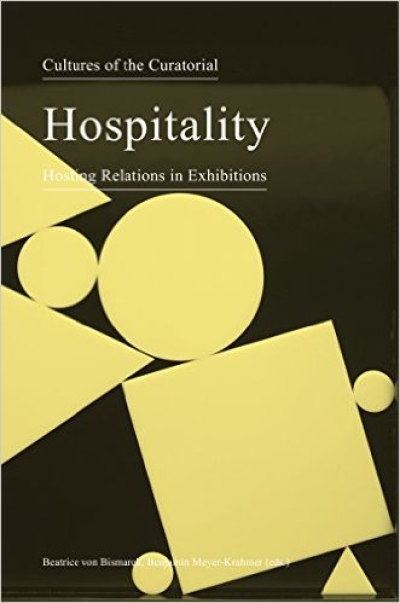
    Hospitality: Hosting Relations in Exhibitions (Cultures of…

  • gerade nicht auf Lager
    Stephan Trüby

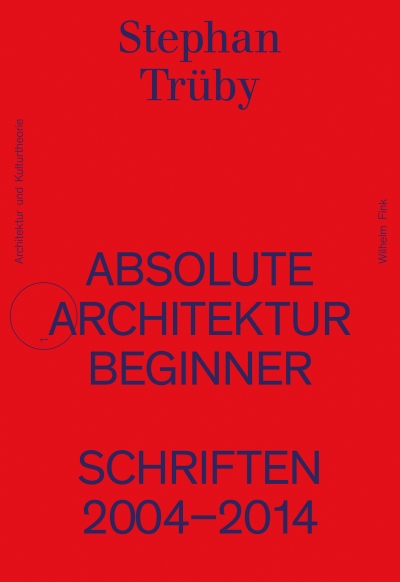
    Absolute Architekturbeginner. Schriften 2004-2014

  • gerade nicht auf Lager
    Armen Avanessian

    Miamification

  • gerade nicht auf Lager
    Liliane Wong

    Adaptive Reuse. Extending the Lives of Buildings

  • Jeremy Deller

    Iggy Pop Life Class

  • gerade nicht auf Lager
    Vanessa Miriam Carlow, Institute for…

    Ruralism. The Future of Villages and Small Towns in an…

  • gerade nicht auf Lager
    Rainer Hehl, Ludwig Engel (eds.)

    Berlin Transfer. Open Living Structures

  • gerade nicht auf Lager
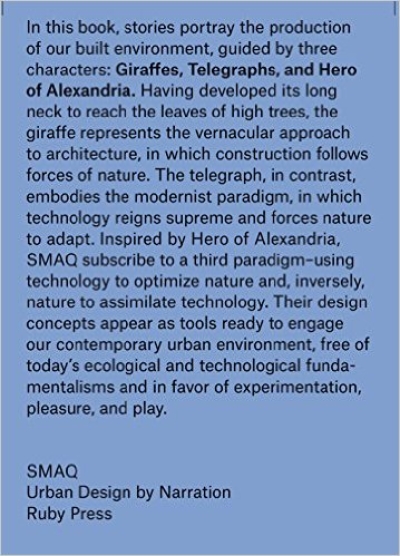
    Andreas Quednau, Sabine Müller

    SMAQ. Giraffes, Telegraphs, and Hero of Alexandria. Urban…

  • gerade nicht auf Lager
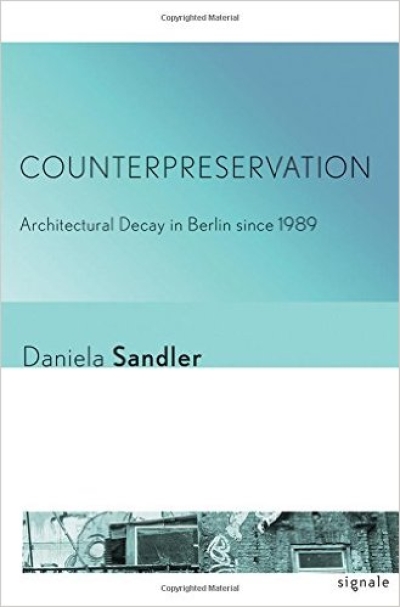
    Daniela Sandler

    Counterpreservation. Architectural Decay in Berlin Since…

  • gerade nicht auf Lager
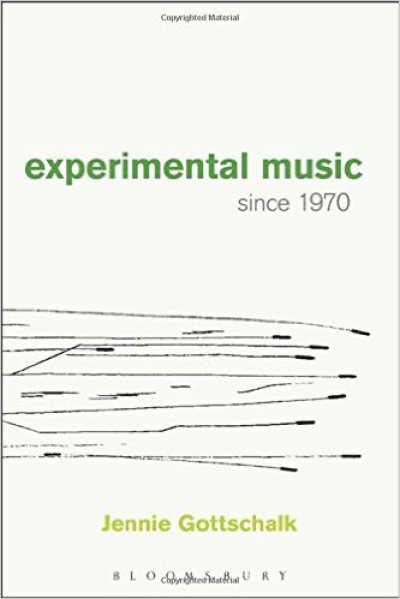
    Jennie Gottschalk

    Experimental Music Since 1970

  • gerade nicht auf Lager
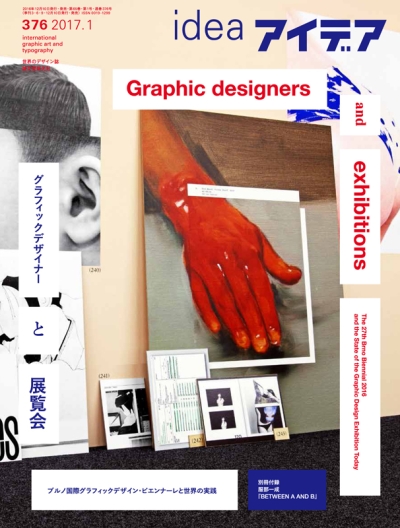
    IDEA Magazine

    IDEA 376. Graphic Designers and Exhibitions

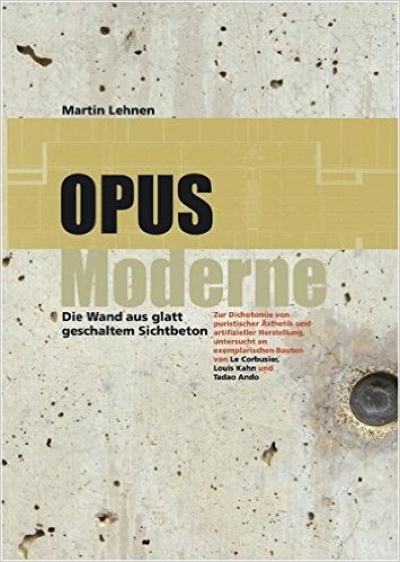
  • Martin Lehnen

    Opus Moderne. Die Wand aus glatt geschaltem Sichtbeton

  • gerade nicht auf Lager
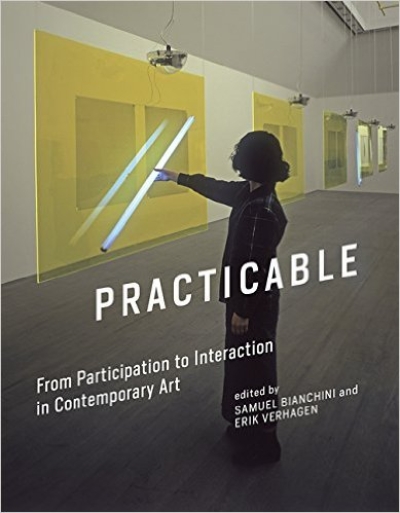
    Samuel Bianchini, Erik Verhagen (eds.)

    Practicable. From Participation to Interaction in…

  • Achim Valbracht (Hg.)

    Das neue Grab

  • gerade nicht auf Lager
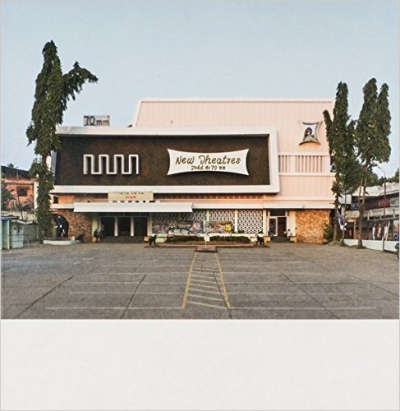
    Haubitz + Zoche

    Hybrid Modernism. Movie Theatres in South India

  • Christian Berkes (Ed.)

    Welcome to AirSpace. On Airbnb, Uber, Facebook,..

  • gerade nicht auf Lager
    Nick Srnicek

    Platform Capitalism

  • gerade nicht auf Lager
    Catherine Ince, Lotte Johnson (Hg.)

    Die Welt von Charles und Ray Eames

  • David Brody

    Housekeeping by Design. Hotels and Labor

  • gerade nicht auf Lager
    Rolf Lindner

    Berlin, absolute Stadt. Eine kleine Anthropologie der…

  • gerade nicht auf Lager
    Matteo Ghidoni

    Fundamental Acts. Life, Education, Ceremony, Love, Death

  • gerade nicht auf Lager
    Yasminah Beebeejaun

    The Participatory City

  • Deyan Sudjic

    The Language of Cities

  • gerade nicht auf Lager
    Donna Haraway

    Das Manifest für Gefährten: Wenn Spezies sich begegnen -…

  • gerade nicht auf Lager
    Oliver Hartung

    Iran. A Picture Book

  • gerade nicht auf Lager
    Turit Fröbe

    Die Inszenierung eines Mythos. Le Corbusier und die…

  • Peter Allison (Ed.)

    David Adjaye. Constructed Narratives

  • gerade nicht auf Lager
    Neil Brenner

    Critique of Urbanization. Selected Essays

  • gerade nicht auf Lager
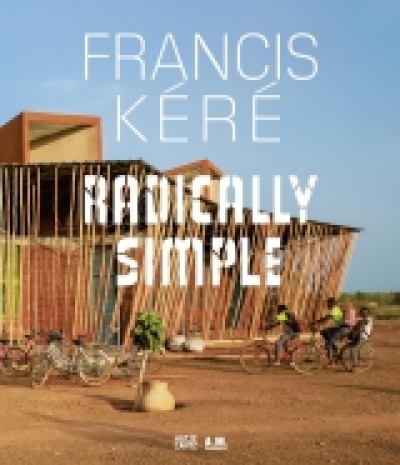
    Francis Kéré

    Radically Simple

  • gerade nicht auf Lager
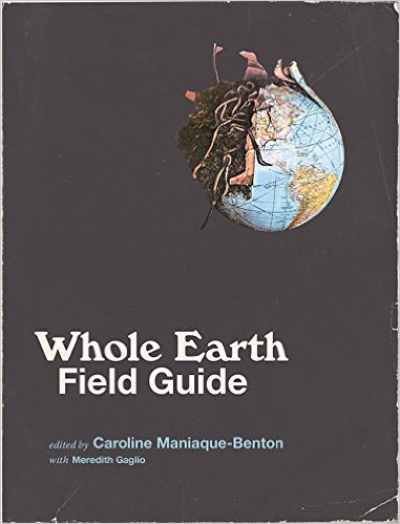
    Caroline Maniaque-Benton(Ed.)

    Whole Earth Field Guide

  • gerade nicht auf Lager
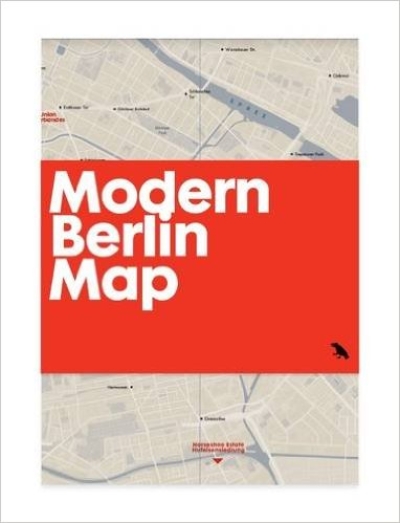
    Matthew Tempest, Simon Phipps, Derek…

    Modern Berlin Map: Guide to 20th Century Architecture in…

  • gerade nicht auf Lager
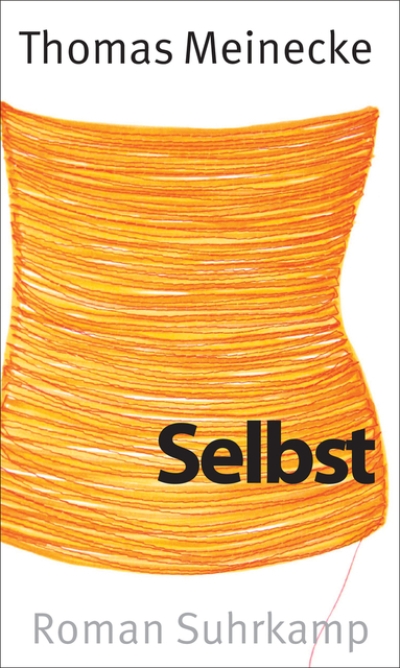
    Thomas Meinecke

    Selbst

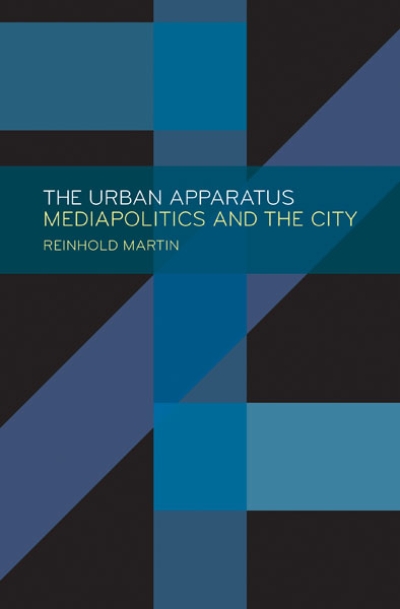
  • Reinhold Martin

    The Urban Apparatus. Mediapolitics and the City

  • gerade nicht auf Lager
    Pier Vittorio Aureli, Maria Sheherazade…

    Rituals and Walls: The Architecture of Sacred Space

  • gerade nicht auf Lager
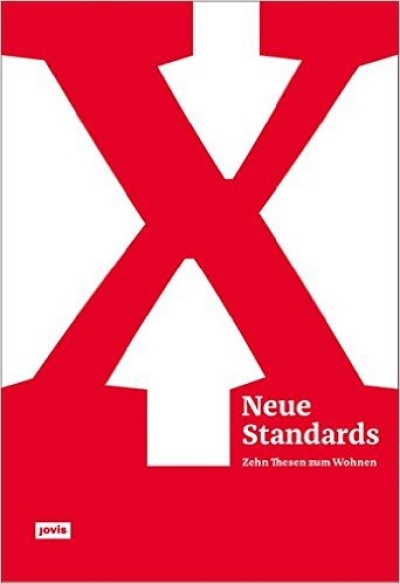
    Olaf Bahner, Matthias Böttger (Hg.)

    Neue Standards. Zehn Thesen zum Wohnen

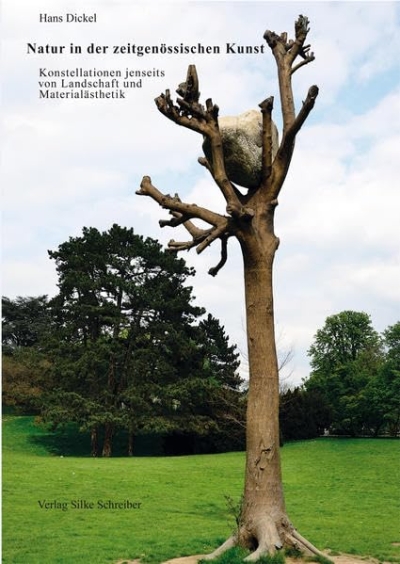
  • Hans Dickel

    Natur in der zeitgenössischen Kunst. Konstellationen…

  • gerade nicht auf Lager
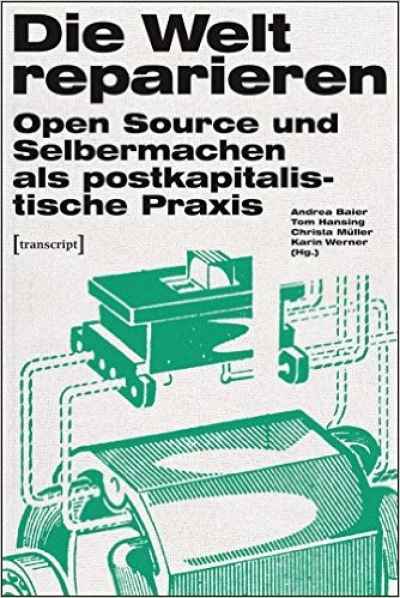
    Baier, Hansing, Müller, Werner (Hg.)

    Die Welt reparieren: Open Source und Selbermachen als…

  • gerade nicht auf Lager
    A. P. Pais, C.F. Strauss (eds)

    Slow Reader: A Resource for Design Thinking and Practice

  • gerade nicht auf Lager
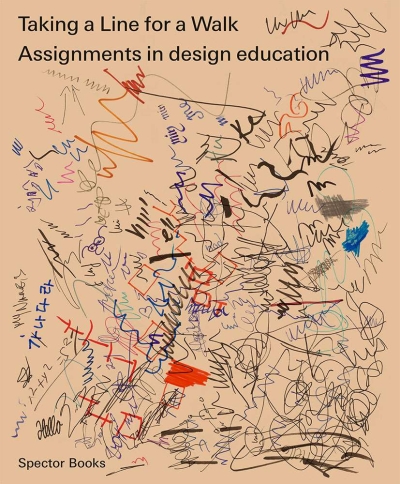
    Nina Paim

    Taking a Line for a Walk: Assignments in design education

  • gerade nicht auf Lager
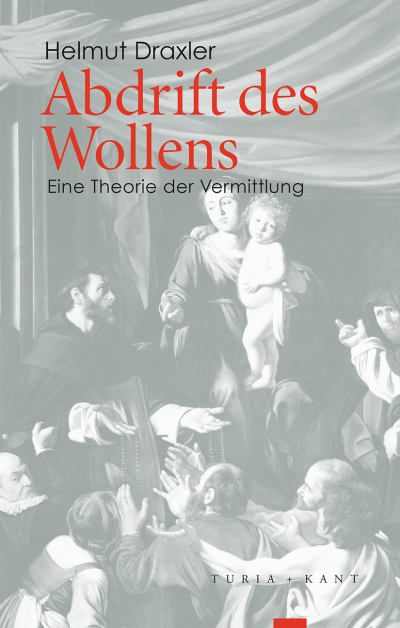
    Helmut Draxler

    Abdrift des Wollens. Eine Theorie der Vermittlung

  • gerade nicht auf Lager
    Christian Schittich (Ed.)

    Wohnkonzepte in Japan / Housing in Japan: Typologien für…

  • gerade nicht auf Lager
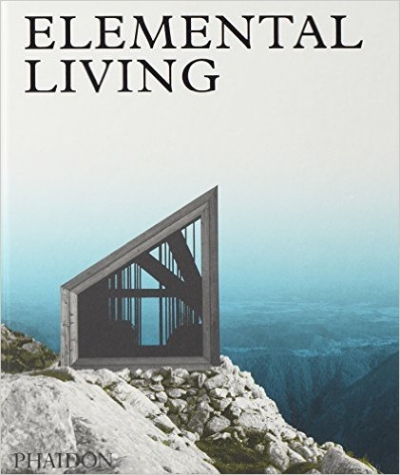
    Joost Grootens

    Elemental Living. Contemporary Houses in Nature

  • gerade nicht auf Lager
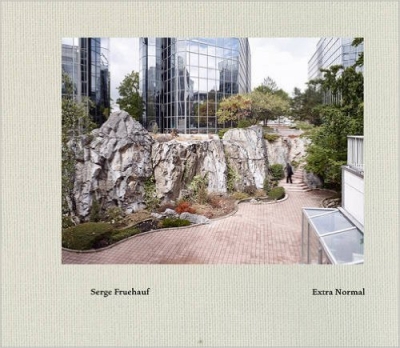
    Joerg Bader (Hg.)

    Serge Fruehauf. Extra Normal

  • gerade nicht auf Lager
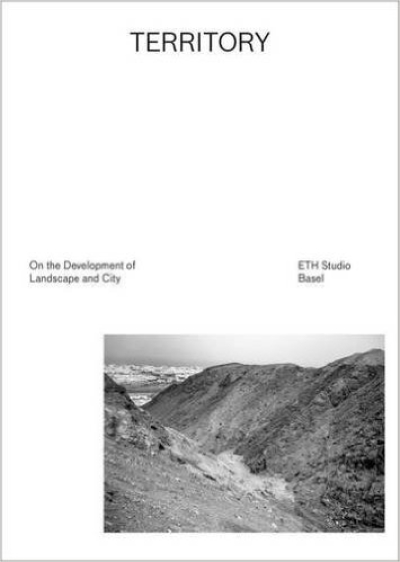
    Contemporary City Institute ETH Studio…

    Territory: On the Development of Landscape and City

  • gerade nicht auf Lager
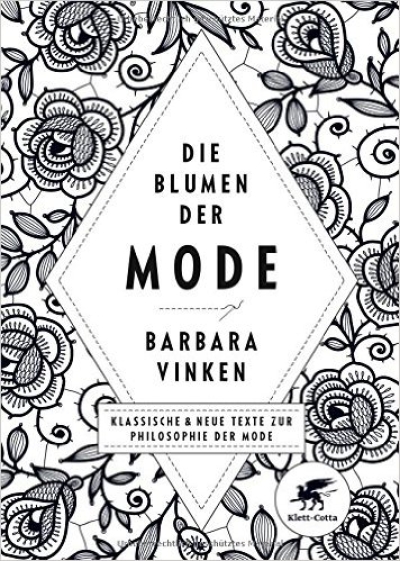
    Barbara Vinken

    Die Blumen der Mode. Klassische und neue Texte zur…

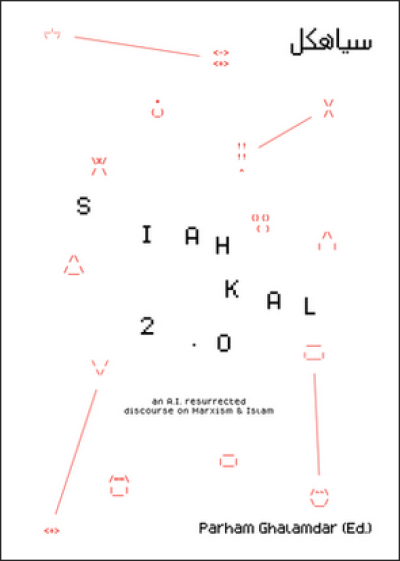
SIAHKAL 2.0: An A.I. resurrected discourse on Marxism & Islam


Siahkal names a place in the forests of Gilan and a threshold in revolutionary time. In 1971 a guerrilla action near Siahkal shook the order of the Shah. The action failed militarily yet seeded a myth for the People’s Fedai Guerrillas. Bizhan Jazani, a founding thinker, wrote and painted in prison and was executed in 1975. His work teaches that strategy rather than sentiment endures. // This book treats Siahkal as a Deep Object, a persistent attractor that gathers memory, images, and tactics. An AI model trained on Jazani’s writings and paintings translates his essay on Islamic Marxism and proposes annotations. The machine functions as a probe that widens attention while remaining accountable to the source. Parham Ghalamdar trained the AI, wrote the introduction, and composed ASCII diagrams and diagrammatic readings from Jazani’s artworks. Parsa Esmaeilzadeh contributes an essay that reads Jazani through Karatani and left accelerationism. // It is a call to reimagine and export revolution as a Deep Object that asks for Deep Time to unfold. This clandestine edition invites the reader to study, test, and build strategy that can outlast the news cycle and meet the future head on.

This is a limited edition book. The author trained an LLM on the texts of a deceased theorist, and then proceeded to interact with the LLM and produce simulations of what the theorist may have said in regards to various pertinent topics. The book is primarily a free online resource, but a few copies are being printed to commemorate the work. It has a foreword and afterword by the Editors.

At the core of this project is a translation of “Marxist Islam or Islamic Marxism,” a groundbreaking text written by Bizhan Jazani during his imprisonment in the 1970s under the Shah’s oppressive regime. Translated by Parham Ghalamdar, this work is accompanied by an introduction contextualizing Jazani’s radical vision. Ghalamdar also contributes a series of ASCII-style illustrations and diagrams—AI-assisted reinterpretations of Jazani’s original paintings and photographs—that bridge the past and present, offering a new perspective on his revolutionary artistry.


About the author
Parham Ghalamdar is a multidisciplinary artist currently based in the UK. Ghalamdar’s work traces forgotten mythologies, buried philosophies, and visual ruins, reconfiguring them into speculative worlds where memory, fiction, and futurism collapse into one another. Drawing on cybernetic theory and generative AI, he explores how systems of feedback, simulation, and machine vision mediate our understanding of history and possibility. Through painting, film, and writing, he builds narratives that feel both ancient and yet-to-come, haunted by lost histories and animated by possible futures.


Siahkal
names a place in the forests of Gilan and a threshold in revolutionary
time. In 1971 a guerrilla action near Siahkal shook the order of the
Shah. The action failed militarily yet seeded a myth for the People’s
Fedai Guerrillas. Bizhan Jazani, a founding thinker, wrote and painted
in prison and was executed in 1975. His work teaches that strategy
rather than sentiment endures. // This book treats Siahkal as a Deep
Object, a persistent attractor that gathers memory, images, and tactics.
An AI model trained on Jazani’s writings and paintings translates his
essay on Islamic Marxism and proposes annotations. The machine functions
as a probe that widens attention while remaining accountable to the
source. Parham Ghalamdar trained the AI, wrote the introduction, and
composed ASCII diagrams and diagrammatic readings from Jazani’s
artworks. Parsa Esmaeilzadeh contributes an essay that reads Jazani
through Karatani and left accelerationism. // It is a call to reimagine
and export revolution as a Deep Object that asks for Deep Time to
unfold. This clandestine edition invites the reader to study, test, and
build strategy that can outlast the news cycle and meet the future head
on.


This is a limited edition book. The author trained an LLM on the texts
of a deceased theorist, and then proceeded to interact with the LLM and
produce simulations of what the theorist may have said in regards to
various pertinent topics. The book is primarily a free online resource,
but a few copies are being printed to commemorate the work. It has a
foreword and afterword by the Editors.


At the core of this project is a translation of “Marxist Islam or
Islamic Marxism,” a groundbreaking text written by Bizhan Jazani during
his imprisonment in the 1970s under the Shah’s oppressive regime.
Translated by Parham Ghalamdar, this work is accompanied by an
introduction contextualizing Jazani’s radical vision. Ghalamdar also
contributes a series of ASCII-style illustrations and
diagrams—AI-assisted reinterpretations of Jazani’s original paintings
and photographs—that bridge the past and present, offering a new
perspective on his revolutionary artistry.


About the author

Parham Ghalamdar is a multidisciplinary artist currently based in the
UK. Ghalamdar’s work traces forgotten mythologies, buried philosophies,
and visual ruins, reconfiguring them into speculative worlds where
memory, fiction, and futurism collapse into one another. Drawing on
cybernetic theory and generative AI, he explores how systems of
feedback, simulation, and machine vision mediate our understanding of
history and possibility. Through painting, film, and writing, he builds
narratives that feel both ancient and yet-to-come, haunted by lost
histories and animated by possible futures.


Siahkal
names a place in the forests of Gilan and a threshold in revolutionary
time. In 1971 a guerrilla action near Siahkal shook the order of the
Shah. The action failed militarily yet seeded a myth for the People’s
Fedai Guerrillas. Bizhan Jazani, a founding thinker, wrote and painted
in prison and was executed in 1975. His work teaches that strategy
rather than sentiment endures. // This book treats Siahkal as a Deep
Object, a persistent attractor that gathers memory, images, and tactics.
An AI model trained on Jazani’s writings and paintings translates his
essay on Islamic Marxism and proposes annotations. The machine functions
as a probe that widens attention while remaining accountable to the
source. Parham Ghalamdar trained the AI, wrote the introduction, and
composed ASCII diagrams and diagrammatic readings from Jazani’s
artworks. Parsa Esmaeilzadeh contributes an essay that reads Jazani
through Karatani and left accelerationism. // It is a call to reimagine
and export revolution as a Deep Object that asks for Deep Time to
unfold. This clandestine edition invites the reader to study, test, and
build strategy that can outlast the news cycle and meet the future head
on.


This is a limited edition book. The author trained an LLM on the texts
of a deceased theorist, and then proceeded to interact with the LLM and
produce simulations of what the theorist may have said in regards to
various pertinent topics. The book is primarily a free online resource,
but a few copies are being printed to commemorate the work. It has a
foreword and afterword by the Editors.


At the core of this project is a translation of “Marxist Islam or
Islamic Marxism,” a groundbreaking text written by Bizhan Jazani during
his imprisonment in the 1970s under the Shah’s oppressive regime.
Translated by Parham Ghalamdar, this work is accompanied by an
introduction contextualizing Jazani’s radical vision. Ghalamdar also
contributes a series of ASCII-style illustrations and
diagrams—AI-assisted reinterpretations of Jazani’s original paintings
and photographs—that bridge the past and present, offering a new
perspective on his revolutionary artistry.


About the author

Parham Ghalamdar is a multidisciplinary artist currently based in the
UK. Ghalamdar’s work traces forgotten mythologies, buried philosophies,
and visual ruins, reconfiguring them into speculative worlds where
memory, fiction, and futurism collapse into one another. Drawing on
cybernetic theory and generative AI, he explores how systems of
feedback, simulation, and machine vision mediate our understanding of
history and possibility. Through painting, film, and writing, he builds
narratives that feel both ancient and yet-to-come, haunted by lost
histories and animated by possible futures.


Siahkal names a place in the forests of Gilan and a threshold in revolutionary time. In 1971 a guerrilla action near Siahkal shook the order of the Shah. The action failed militarily yet seeded a myth for the People’s Fedai Guerrillas. Bizhan Jazani, a founding thinker, wrote and painted in prison and was executed in 1975. His work teaches that strategy rather than sentiment endures. // This book treats Siahkal as a Deep Object, a persistent attractor that gathers memory, images, and tactics. An AI model trained on Jazani’s writings and paintings translates his essay on Islamic Marxism and proposes annotations. The machine functions as a probe that widens attention while remaining accountable to the source. Parham Ghalamdar trained the AI, wrote the introduction, and composed ASCII diagrams and diagrammatic readings from Jazani’s artworks. Parsa Esmaeilzadeh contributes an essay that reads Jazani through Karatani and left accelerationism. // It is a call to reimagine and export revolution as a Deep Object that asks for Deep Time to unfold. This clandestine edition invites the reader to study, test, and build strategy that can outlast the news cycle and meet the future head on.

This is a limited edition book. The author trained an LLM on the texts of a deceased theorist, and then proceeded to interact with the LLM and produce simulations of what the theorist may have said in regards to various pertinent topics. The book is primarily a free online resource, but a few copies are being printed to commemorate the work. It has a foreword and afterword by the Editors. 

At the core of this project is a translation of “Marxist Islam or Islamic Marxism,” a groundbreaking text written by Bizhan Jazani during his imprisonment in the 1970s under the Shah’s oppressive regime. Translated by Parham Ghalamdar, this work is accompanied by an introduction contextualizing Jazani’s radical vision. Ghalamdar also contributes a series of ASCII-style illustrations and diagrams—AI-assisted reinterpretations of Jazani’s original paintings and photographs—that bridge the past and present, offering a new perspective on his revolutionary artistry.


“Bizhan Jazani”, Parham Ghalamdar
SIAHKAL 2.0: An A.I. resurrected discourse on Marxism & Islam
Becoming Press, 2025, 978-9925-8207-7-1
15,00 €