







Direkt zum Inhalt

Warenkorb

  • gerade nicht auf Lager
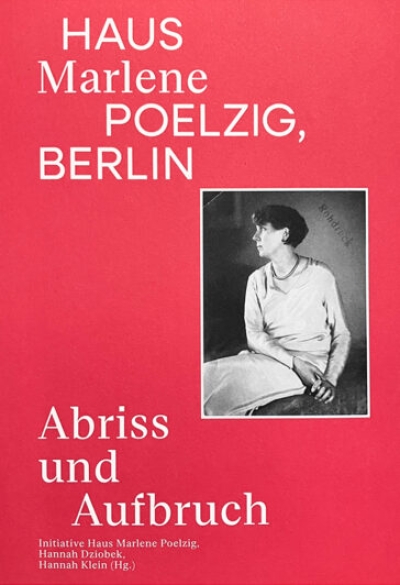
    Initiative Haus Marlene Poelzig, Hannah…

    Haus Marlene Poelzig, Berlin. Abriss und Aufbruch

  • Frederik Schulze, Philipp Wolfesberger

    Dekoloniale Theorien zur Einführung

  • Gabriele Gramelsberger, Hans-Jörg…

    Epistemologien zur Einführung

  • gerade nicht auf Lager
    Anne Carson

    The Gender of Sound

  • gerade nicht auf Lager
    Esther Buss

    Aus der ersten Person. Filmische Autobiografien/Autofiktion

  • gerade nicht auf Lager
    Max Turnheim

    The Use of Space

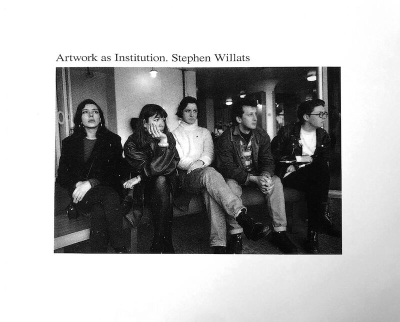
  • Stephen Willats, Lucie Kolb (Hg.)

    Artwork as Institution

  • Pascale Obolo, Michalis Pichler,…

    Reading Ecologies: Transforming Publishing in Africa

  • gerade nicht auf Lager
    Forty five degrees

    Radical Rituals – 45°N 1°W to 45°N 7°E

  • gerade nicht auf Lager
    Matrijaršija

    Optically Suspicious

  • Luc Merx

    Cairo's Plaster Casts

  • Beatrice Leanza

    The New Design Museum. Co-creating the Present, Prototyping…

  • Hito Steyerl

    Medium Hot. Images in the Age of Heat

  • gerade nicht auf Lager
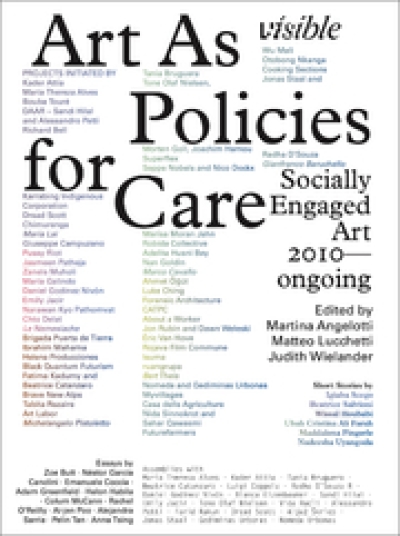
    Martina Angelotti, Matteo Lucchetti,…

    Visible. Art as Policies for Care. Socially Engaged Art (…

  • gerade nicht auf Lager
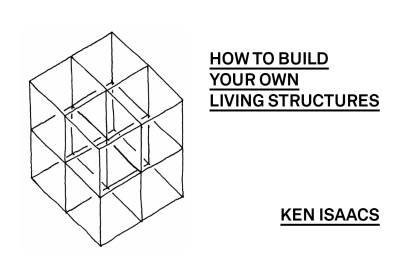
    Pierre Hourquet, Christophe Daviet-…

    Ken Isaacs. How to Build your Own Living Structures

  • Christa Blümlinger (Hg.)

    Teri Wehn Damisch: Transatlantic Crossings Between the Arts

  • gerade nicht auf Lager
    Pauline Oliveros

    Pauline Oliveros. Quantum Listening

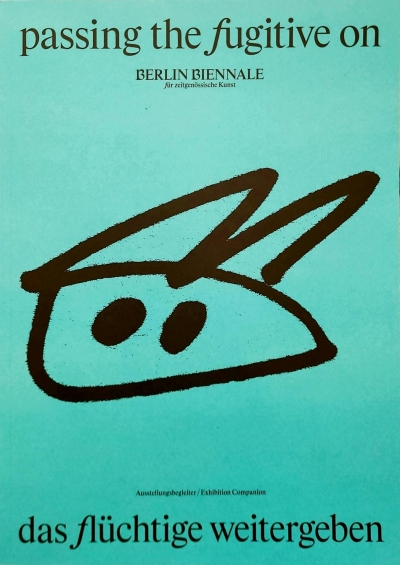
  • Zasha Colah (Hg)

    Passing the fugitive on / das flüchtge weitergeben. 13.…

  • gerade nicht auf Lager
    Deimante Jasiuleviciute, Karolina…

    Tara. Then and Now, Here and There. Archives and Practices…

  • Christian Nirvana Damato

    Multiplication of Organs Manifesto. Body, Technology,…

  • Akshar Gajjar, Sonal Mithal

    Living Together. More-Than-Human Ecologies for…

  • Klittern (aesopica)

  • gerade nicht auf Lager
    Françoise Fromonot

    The House of Dr Koolhaas

  • Adria Daraban, Frédéric Schnee (Hg.)

    New Tools Vol. 1. Architectural Discourses on the…

  • Mark Webber (Hg.)

    The Afterimage Reader

  • Aleksandr Delev (Ed.)

    Silicity Protocols. Issue #5. Imagine

  • cover Fabien Girardin, Julian Bleecker…

    The Manual of Design Fiction

  • gerade nicht auf Lager
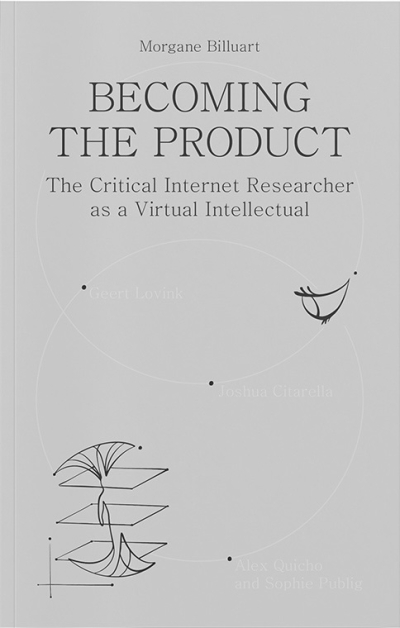
    Morgane Billuart

    Becoming the Product. The Critical Internet Researcher as a…

  • gerade nicht auf Lager
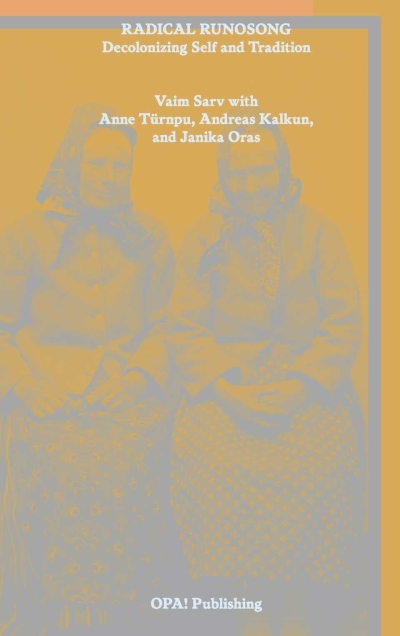
    Vaim Sarv with Anne Türnpu, Andreas…

    Radical Runosong. Decolonizing Self and Tradition

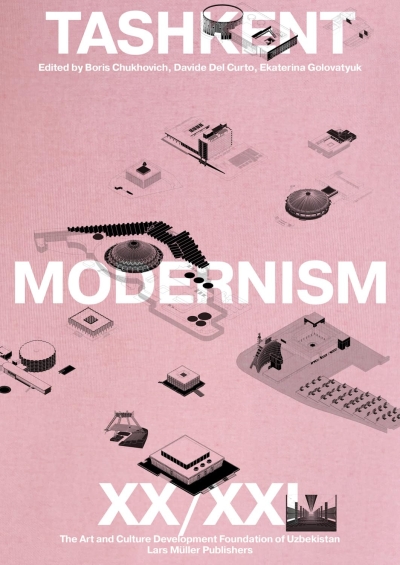
  • Boris Chukhovich, Davide del Curto…

    Tashkent Modernism. XX/XXI

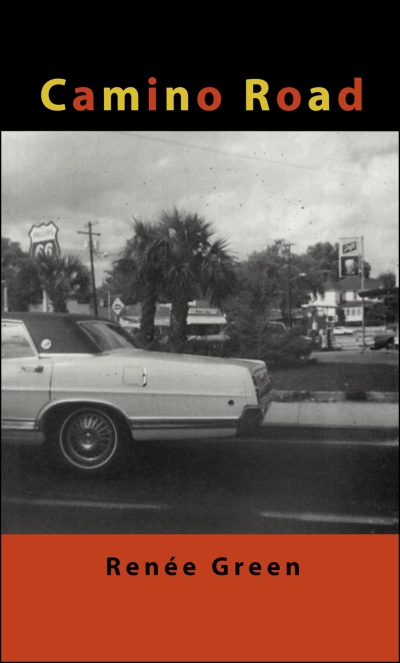
  • Renée Green

    Camino Road

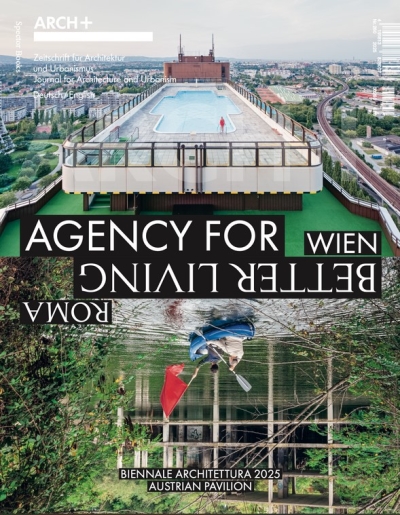
  • Arch+ Zeitschrift für Architektur und…

    ARCH+ 260. Wien/Roma – Agency for Better Living (DE/EN)

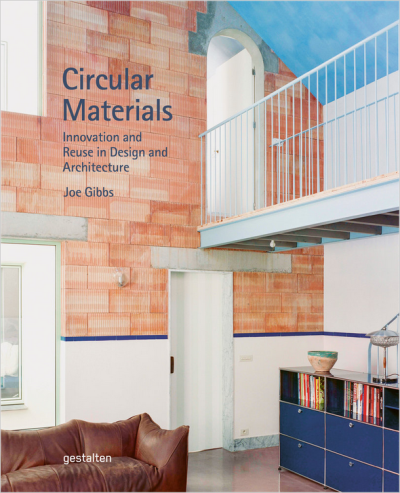
  • Robert Klanten, Joe Gibbs

    Circular Materials. Innovation and Reuse in Design and…

  • gerade nicht auf Lager
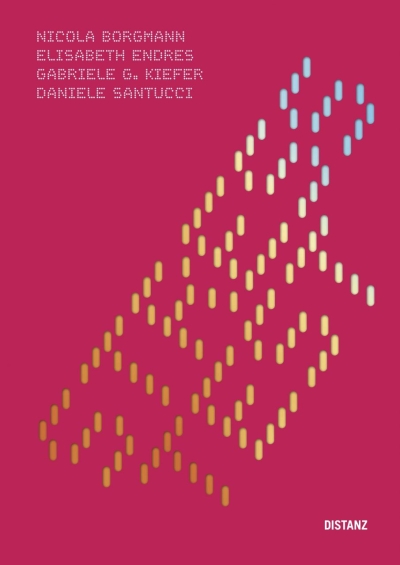
    Nicola Borgmann, Elisabeth Endres,…

    Stresstest. Der Deutsche Pavillon auf der 19.…

  • gerade nicht auf Lager
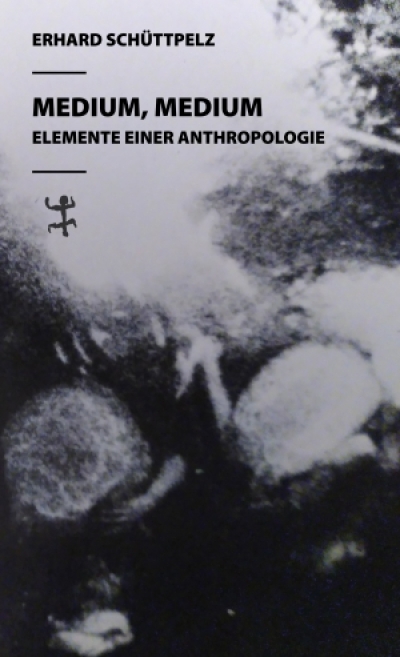
    Erhard Schüttpelz

    Medium, Medium. Elemente einer Anthropologie

  • gerade nicht auf Lager
    Omar El Akkad

    Eines Tages werden alle immer schon dagegen gewesen sein

  • gerade nicht auf Lager
    Stefan Rettich, Sabine Tastel

    Die obsolete Stadt. Wege in die Zirkularität

  • gerade nicht auf Lager
    Tavia Nyong'o

    Black Apocalypse. Afrofuturism at the End of the World

  • gerade nicht auf Lager
    Évelyne Gayou

    Revolution in Music. The History of the Groupe de…

  • Dorothee Albrecht (Hg)

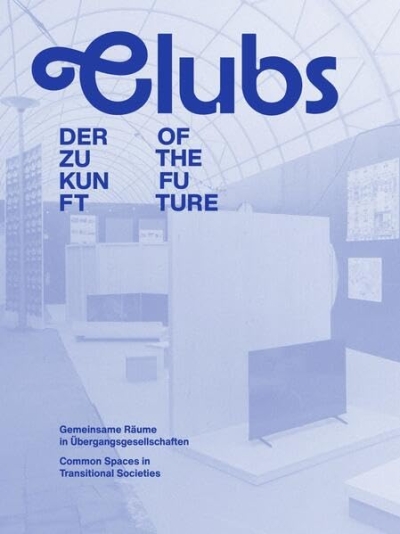
    Clubs der Zukunft: Gemeinsame Räume in Übergangsgesellschaft

  • gerade nicht auf Lager
    Carolin Overhoff Ferreira

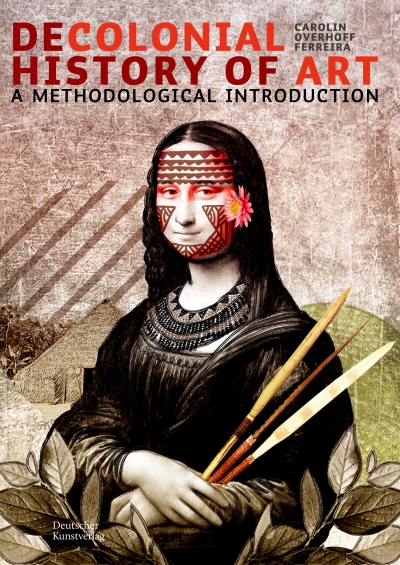
    Decolonial History of Art. A Methodological Introduction

  • gerade nicht auf Lager
    Andreas Hild, Andreas Müsseler

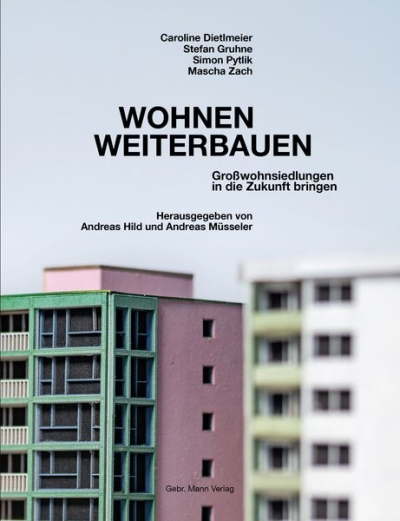
    Wohnen weiterbauen. Großwohnsiedlungen in die Zukunft…

  • gerade nicht auf Lager
    Rosanna McLaughlin

    Against Morality

  • gerade nicht auf Lager
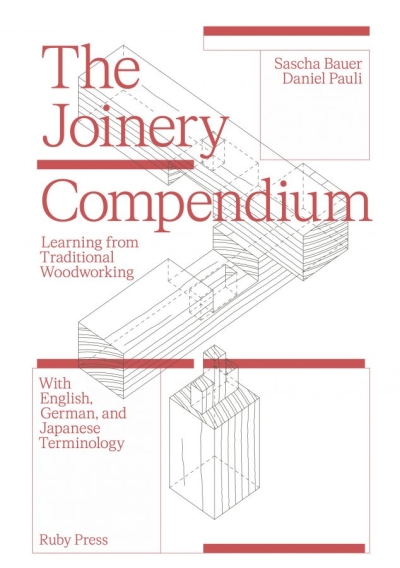
    Editor: Sascha Bauer, Authors: Sascha…

    The Joinery Compendium. Learning from Traditional…

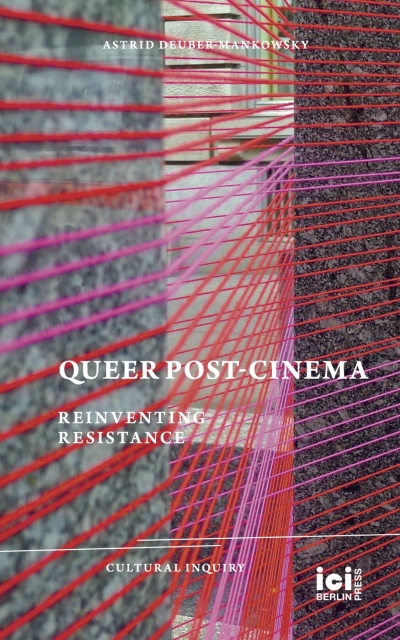
  • Astrid Deuber-Mankowsky

    Queer Post-Cinema. Reinventing Resistance

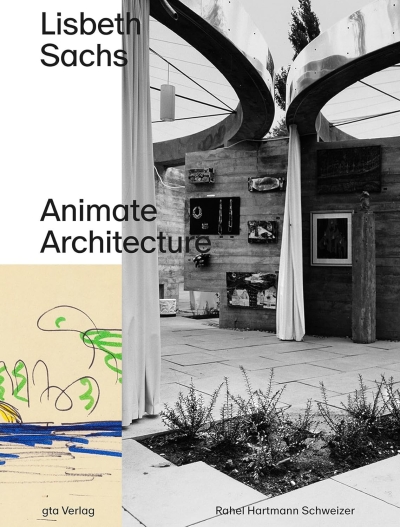
  • Rahel Hartmann Schweizer

    Lisbeth Sachs. Animate Architecture

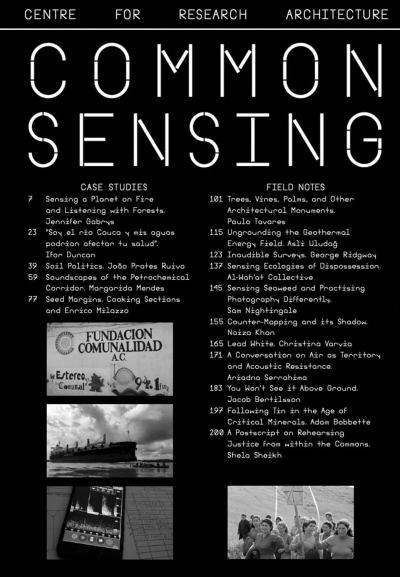
  • Riccardo Badano,Tomas Percival, Susan…

    Common Sensing. Centre for Research Architecture 3

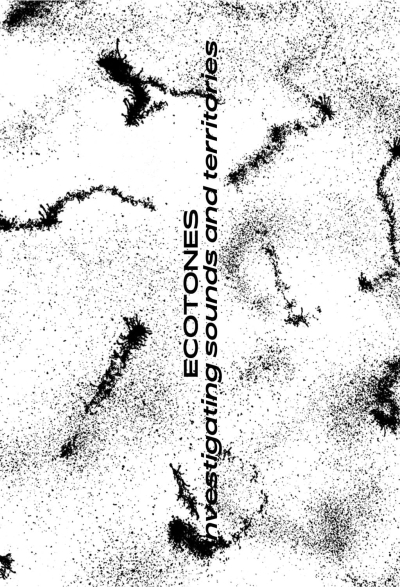
  • Valentin Bansac, Mike Fritsch, Alice…

    Ecotones. Investigating Sounds and Territories

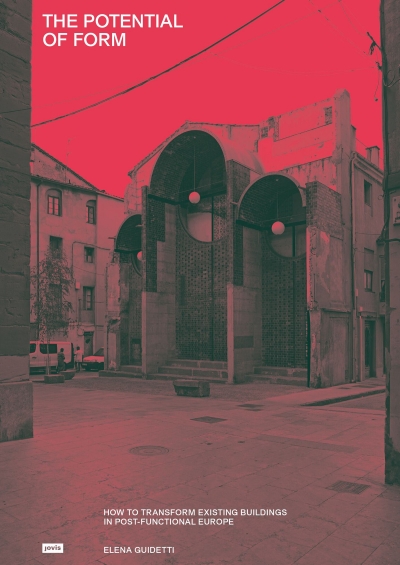
  • Elena Guidetti

    The Potential of Form. How to Transform Existing Buildings…

  • gerade nicht auf Lager
    Chantal Akerman

    Chantal Akerman. Eine Familie in Brüssel

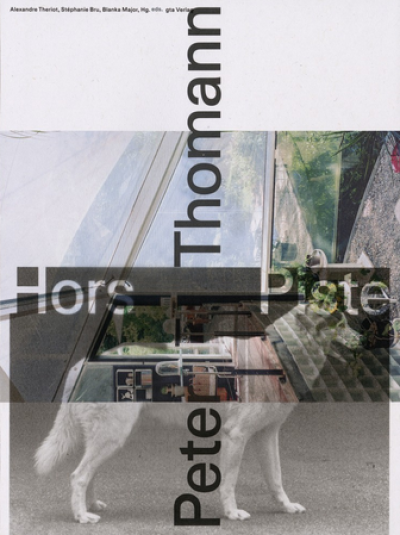
  • Alexandre Theriot, Stéphanie Bru,…

    Peter Thomann. Hors Piste

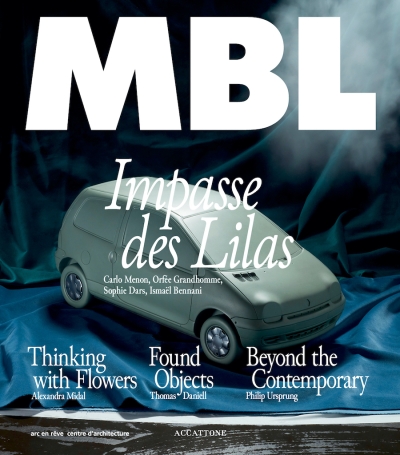
  • Sophie Dars, Carlo Menon (eds.)

    MBL architectes. Impasse des Lilas

  • Zara Pfeifer, Marina Montresor (ed.)

    Calcio Storico. Zara Pfeifer

  • Suely Rolnik

    Sphären des Aufstands. Anmerkungen zur Dekolonisierung des…

  • gerade nicht auf Lager
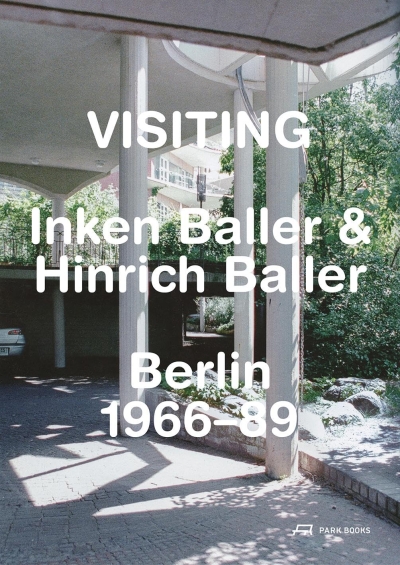
    Urban Fragment Observatory

    Visiting. Inken Baller & Hinrich Baller, Berlin 1966-89…

  • Camille Pradon, Christos Papamichael,…

    Machine Paralysis. A Different Kind of Mobility

  • Sanem Su Avcı, Tonia Tzirita Zacharatou…

    Islands of Exile. Hemmed in by the Sea

  • James Bridle, Hypatia Vourloumis,…

    Mediterranean Icebergs. Invisible Connections Underwater

  • Anke Hagemann and Ava Lynam, Gaoli Xiao…

    Urban-Rural Assembly. A Handbook for Co-Visioning…

  • Mark Crinson, Luisa Lorenza Corna (Hg.)

    Struggles in the Concrete. Architecture and the Marxist…

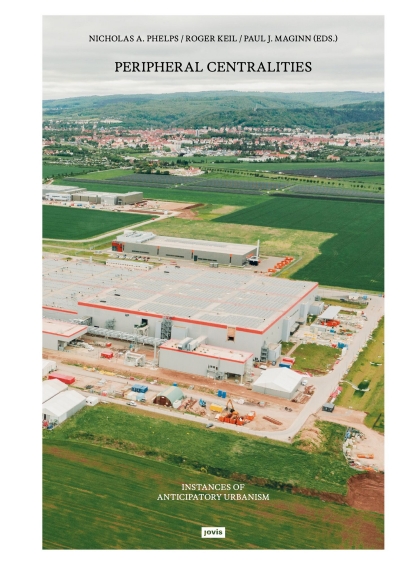
  • Nicholas A. Phelps, Roger Keil, Paul J…

    Peripheral Centralities. Instances of Anticipatory Urbanism

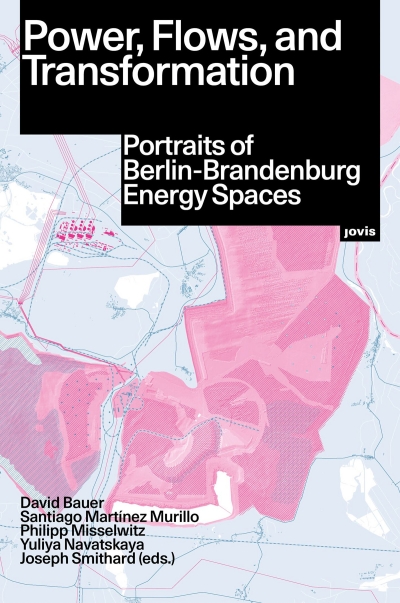
  • David Bauer, Santiago Martínez Murillo…

    Power, Flows, and Transformation. Portraits of Berlin-…

  • gerade nicht auf Lager
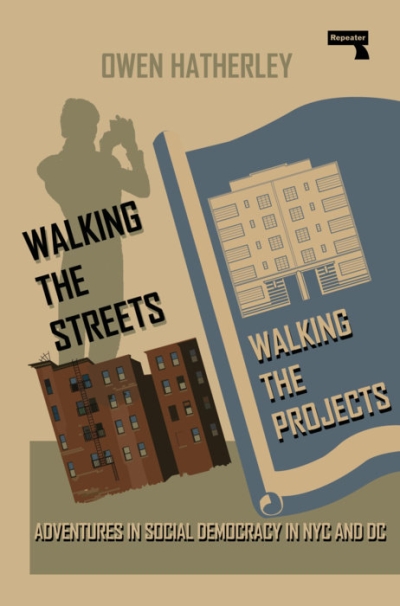
    Owen Hatherley

    Walking the Streets / Walking the Projects. Adventures in…

  • gerade nicht auf Lager
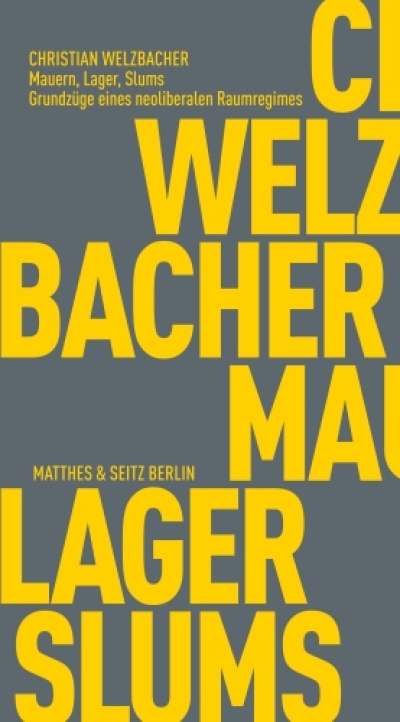
    Christian Welzbacher

    Mauern, Lager, Slums. Grundzüge eines neoliberalen…

  • Charlotte Bolwin, Moritz Riemann,…

    Operativität und Sinnlichkeit. Über Gilbert Simondons…

  • Alva Gotby

    Feeling at Home. Transforming the Politics of Housing

  • Andreas Banaski, Erika Thomalla (Hrsg.)

    Die Wahrheit über Kid P.

  • dérive

    dérive N° 99, Sampler (Apr - Jun 2025)

  • gerade nicht auf Lager
    Constantin Petcou, Doina Petrescu, EJ…

    LiveAct. 10 Questions for the Future Here and Now

  • Niklas Angebauer, Jacob Blumenfeld,…

    Umkämpftes Eigentum. Eine gesellschaftstheoretische Debatte

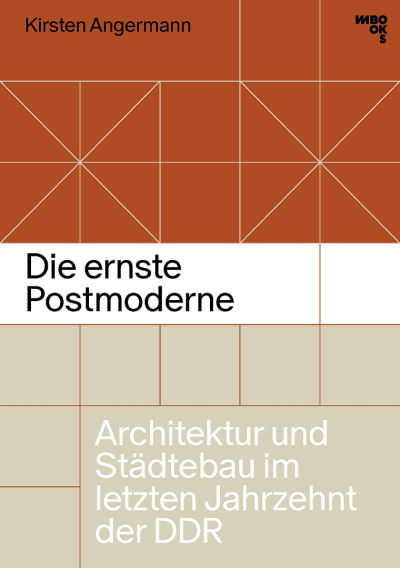
  • Kirsten Angermann

    Die ernste Postmoderne. Architektur und Städtebau im…

  • gerade nicht auf Lager
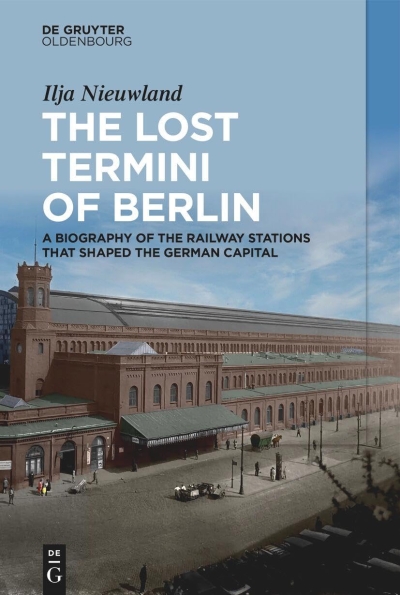
    Nieuwland

    The Lost Termini of Berlin

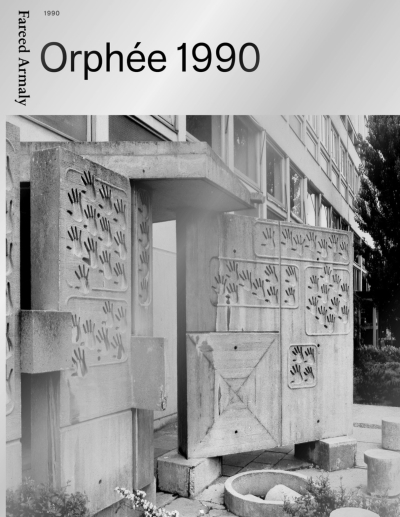
  • Fareed Armaly

    Orphée 1990

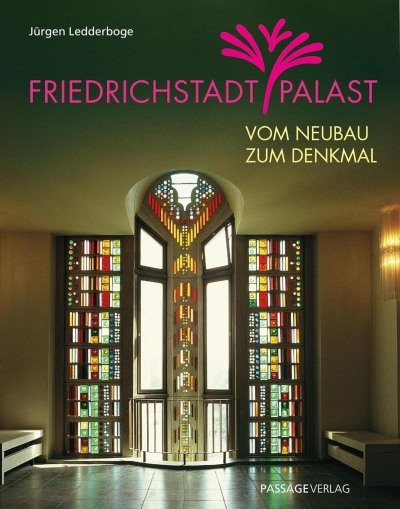
  • Jürgen Ledderboge

    Friedrichstadtpalast. Vom Neubau zum Denkmal

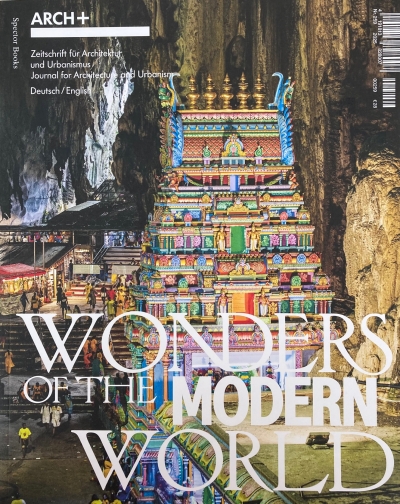
  • Arch+ Zeitschrift für Architektur und…

    ARCH+ 259. Wonders of the Modern World

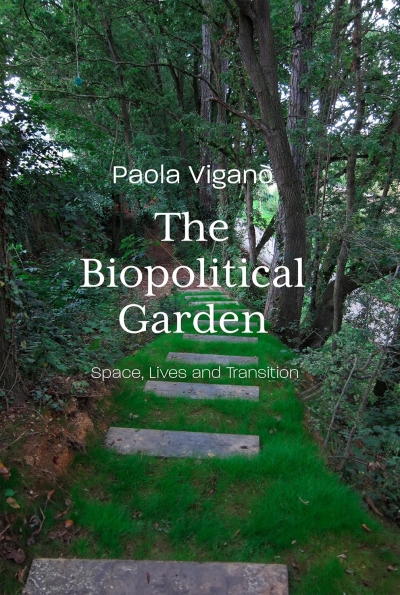
  • Paola Vigano

    The Biopolitical Garden. Space, Life, Transition

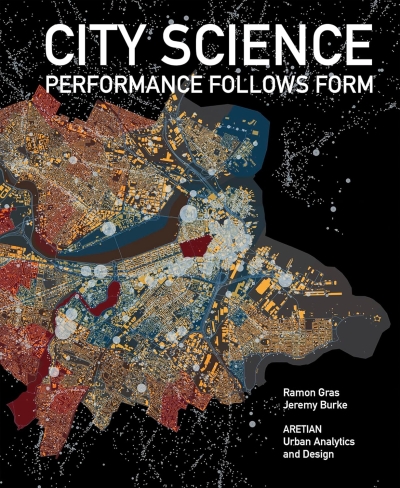
  • Ramon Gras, Jeremy Burke

    City Science. Performance follows Form

  • gerade nicht auf Lager
    Paul B. Preciado

    Dysphoria Mundi

  • gerade nicht auf Lager
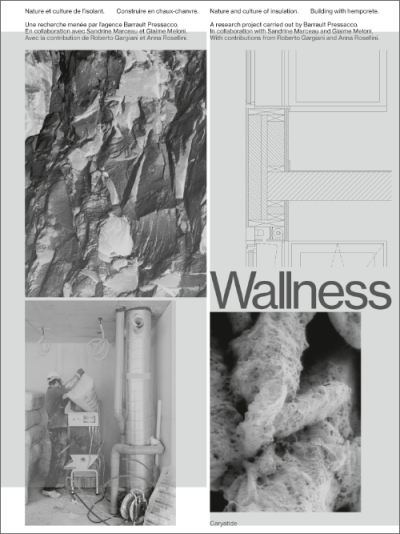
    Barrault Pressacco

    Wallness. Nature and culture of insulation. Building with…

  • Olivier Kaeser (Ed.)

    Dance First Think Later. The Thinking Body between Dance…

  • Paul-Antoine Lucas, Bui Quy Son (Hg)

    Housing, Micropolitics, and Pedagogies. Designing and…

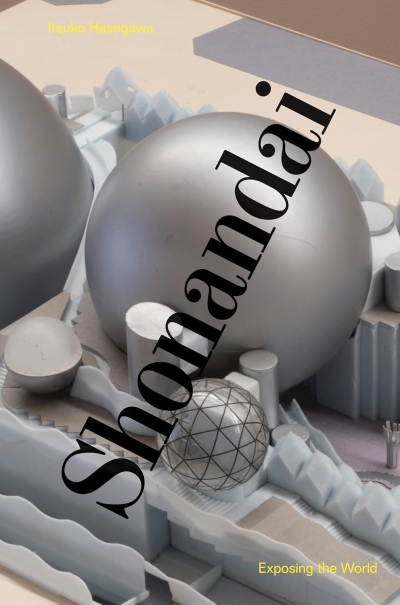
  • Itsuko Hasegawa, Kersten Geers, Jelena…

    Itsuko Hasegawa. Shonandai - Exposing the World

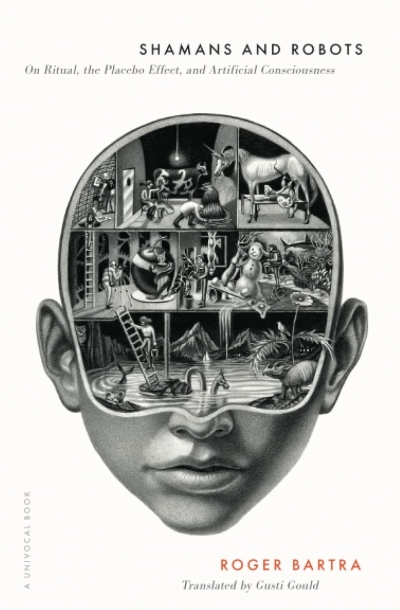
  • Roger Barta

    Shamans and Robots. On Ritual, the Placebo Effect, and…

  • gerade nicht auf Lager
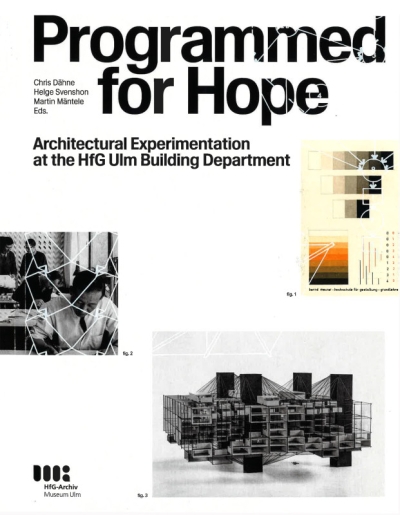
    Chris Dähne, Martin Mäntele, Helge…

    Programmed for Hope. Architectural Experiments at the HfG…

  • Alexander Kluge

    Aus dem Bauhaus der Natur. Die Republik der Tiere in uns

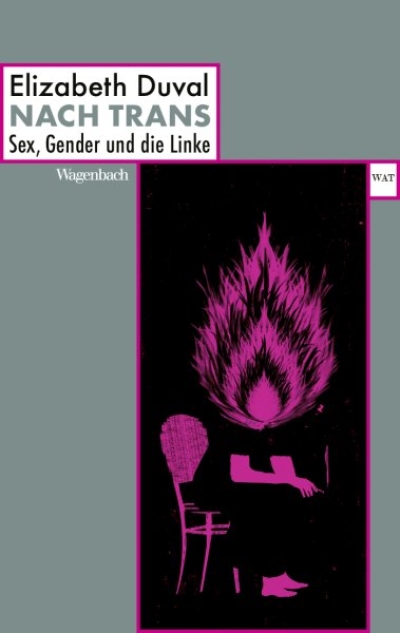
  • Elizabeth Duval

    Nach Trans. Sex, Gender und die Linke

  • gerade nicht auf Lager
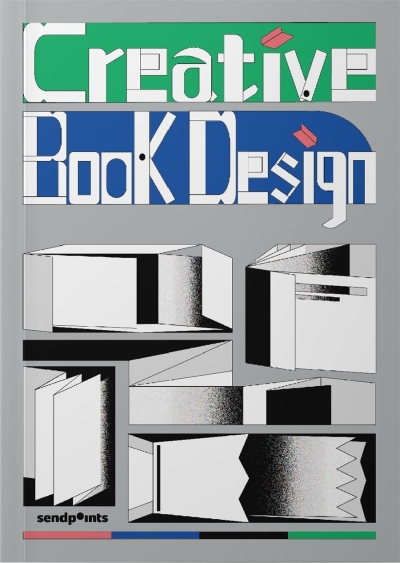
    SendPoints

    Creative Book Design

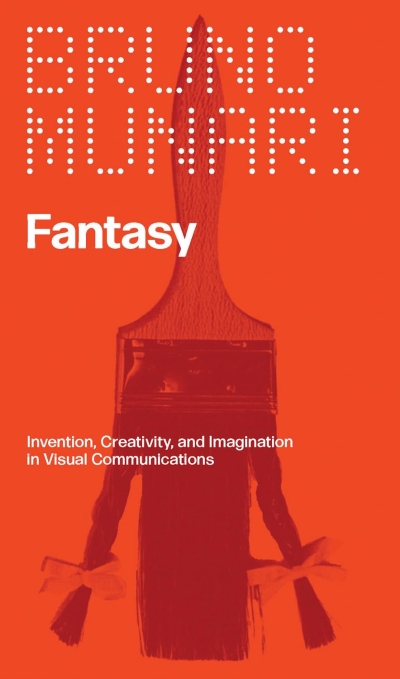
  • Bruno Munari

    Bruno Munari. Fantasy. Invention, Creativity, and…

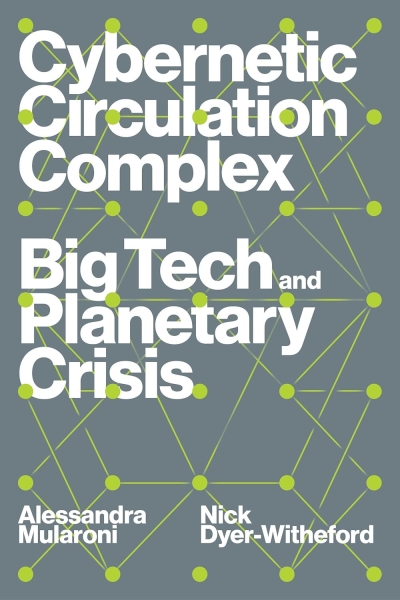
  • Nick Dyer-Witheford, Alessandra Mularoni

    Cybernetic Circulation Complex. Big Tech and Planetary…

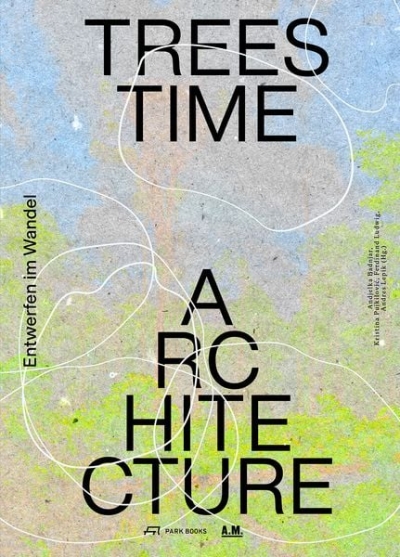
  • Andjelka Badnjar, Kristina Pujkilovic,…

    Trees, Time, Architecture! Entwerfen im Wandel

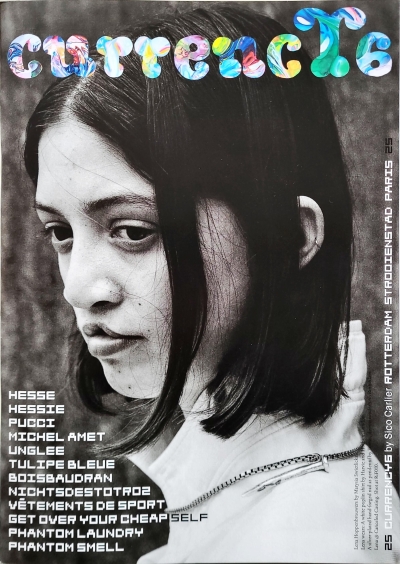
  • Sico Carlier

    Currency #6

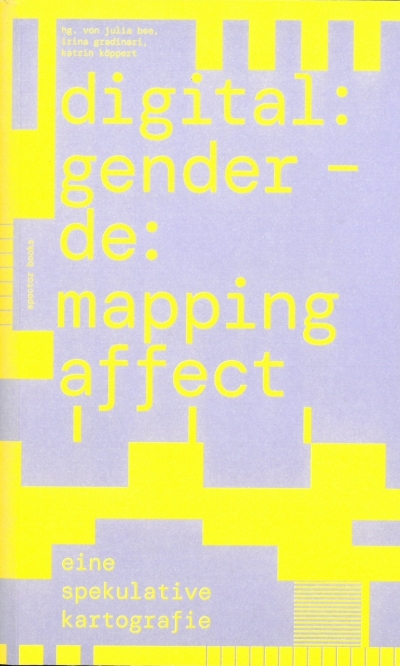
  • Julia Bee, Irina Gradinari, Katrin…

    digital:gender – de:mapping affect. Eine spekulative…

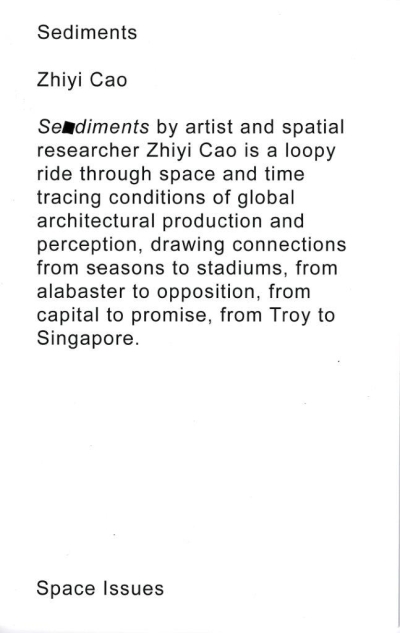
  • Zhiyi Cao

    Sediments

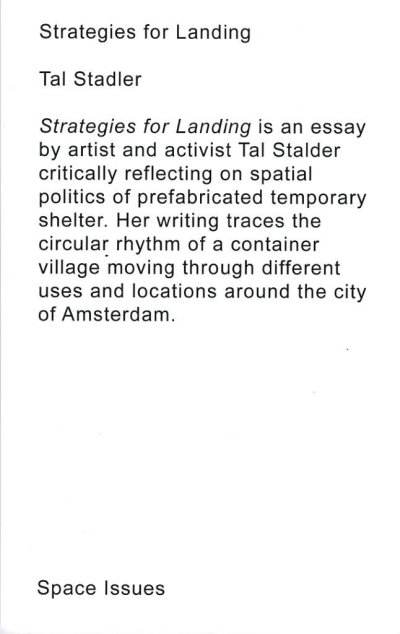
  • Tal Stadler

    Strategies for Landing

  • Vladimir Safatle

    Zynismus und das Scheitern der Kritik

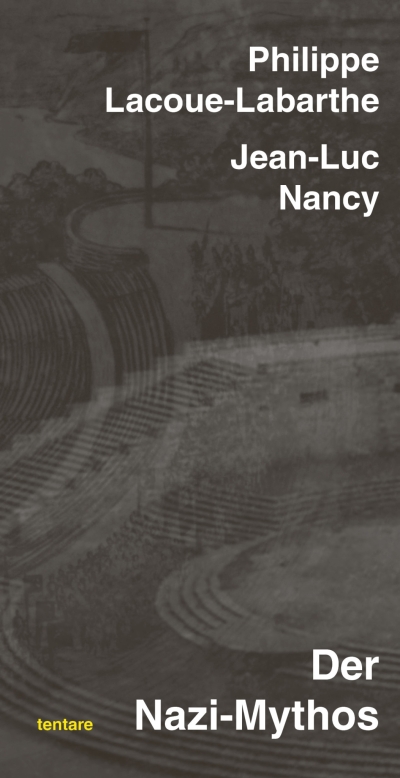
  • Philippe Lacoue-Labarthe, Jean-Luc Nancy

    Der Nazi-Mythos

  • Boris Groys

    Zum Kunstwerk werden

  • Luise Rellensmann, Alexander Stumm (Hg.)

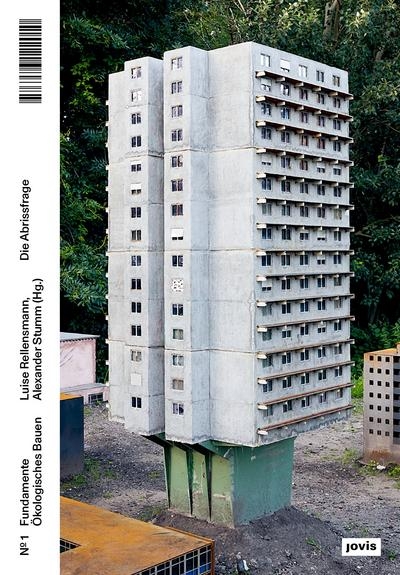
    Die Abrissfrage. Fundamente Ökologisches Bauen No 1

SIAHKAL 2.0: An A.I. resurrected discourse on Marxism & Islam


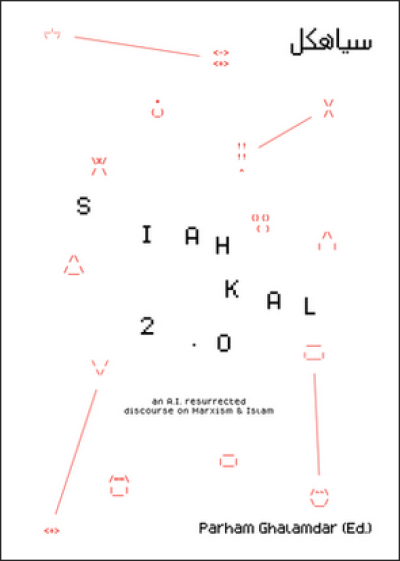
Siahkal names a place in the forests of Gilan and a threshold in revolutionary time. In 1971 a guerrilla action near Siahkal shook the order of the Shah. The action failed militarily yet seeded a myth for the People’s Fedai Guerrillas. Bizhan Jazani, a founding thinker, wrote and painted in prison and was executed in 1975. His work teaches that strategy rather than sentiment endures. // This book treats Siahkal as a Deep Object, a persistent attractor that gathers memory, images, and tactics. An AI model trained on Jazani’s writings and paintings translates his essay on Islamic Marxism and proposes annotations. The machine functions as a probe that widens attention while remaining accountable to the source. Parham Ghalamdar trained the AI, wrote the introduction, and composed ASCII diagrams and diagrammatic readings from Jazani’s artworks. Parsa Esmaeilzadeh contributes an essay that reads Jazani through Karatani and left accelerationism. // It is a call to reimagine and export revolution as a Deep Object that asks for Deep Time to unfold. This clandestine edition invites the reader to study, test, and build strategy that can outlast the news cycle and meet the future head on.

This is a limited edition book. The author trained an LLM on the texts of a deceased theorist, and then proceeded to interact with the LLM and produce simulations of what the theorist may have said in regards to various pertinent topics. The book is primarily a free online resource, but a few copies are being printed to commemorate the work. It has a foreword and afterword by the Editors.

At the core of this project is a translation of “Marxist Islam or Islamic Marxism,” a groundbreaking text written by Bizhan Jazani during his imprisonment in the 1970s under the Shah’s oppressive regime. Translated by Parham Ghalamdar, this work is accompanied by an introduction contextualizing Jazani’s radical vision. Ghalamdar also contributes a series of ASCII-style illustrations and diagrams—AI-assisted reinterpretations of Jazani’s original paintings and photographs—that bridge the past and present, offering a new perspective on his revolutionary artistry.


About the author
Parham Ghalamdar is a multidisciplinary artist currently based in the UK. Ghalamdar’s work traces forgotten mythologies, buried philosophies, and visual ruins, reconfiguring them into speculative worlds where memory, fiction, and futurism collapse into one another. Drawing on cybernetic theory and generative AI, he explores how systems of feedback, simulation, and machine vision mediate our understanding of history and possibility. Through painting, film, and writing, he builds narratives that feel both ancient and yet-to-come, haunted by lost histories and animated by possible futures.


Siahkal
names a place in the forests of Gilan and a threshold in revolutionary
time. In 1971 a guerrilla action near Siahkal shook the order of the
Shah. The action failed militarily yet seeded a myth for the People’s
Fedai Guerrillas. Bizhan Jazani, a founding thinker, wrote and painted
in prison and was executed in 1975. His work teaches that strategy
rather than sentiment endures. // This book treats Siahkal as a Deep
Object, a persistent attractor that gathers memory, images, and tactics.
An AI model trained on Jazani’s writings and paintings translates his
essay on Islamic Marxism and proposes annotations. The machine functions
as a probe that widens attention while remaining accountable to the
source. Parham Ghalamdar trained the AI, wrote the introduction, and
composed ASCII diagrams and diagrammatic readings from Jazani’s
artworks. Parsa Esmaeilzadeh contributes an essay that reads Jazani
through Karatani and left accelerationism. // It is a call to reimagine
and export revolution as a Deep Object that asks for Deep Time to
unfold. This clandestine edition invites the reader to study, test, and
build strategy that can outlast the news cycle and meet the future head
on.


This is a limited edition book. The author trained an LLM on the texts
of a deceased theorist, and then proceeded to interact with the LLM and
produce simulations of what the theorist may have said in regards to
various pertinent topics. The book is primarily a free online resource,
but a few copies are being printed to commemorate the work. It has a
foreword and afterword by the Editors.


At the core of this project is a translation of “Marxist Islam or
Islamic Marxism,” a groundbreaking text written by Bizhan Jazani during
his imprisonment in the 1970s under the Shah’s oppressive regime.
Translated by Parham Ghalamdar, this work is accompanied by an
introduction contextualizing Jazani’s radical vision. Ghalamdar also
contributes a series of ASCII-style illustrations and
diagrams—AI-assisted reinterpretations of Jazani’s original paintings
and photographs—that bridge the past and present, offering a new
perspective on his revolutionary artistry.


About the author

Parham Ghalamdar is a multidisciplinary artist currently based in the
UK. Ghalamdar’s work traces forgotten mythologies, buried philosophies,
and visual ruins, reconfiguring them into speculative worlds where
memory, fiction, and futurism collapse into one another. Drawing on
cybernetic theory and generative AI, he explores how systems of
feedback, simulation, and machine vision mediate our understanding of
history and possibility. Through painting, film, and writing, he builds
narratives that feel both ancient and yet-to-come, haunted by lost
histories and animated by possible futures.


Siahkal
names a place in the forests of Gilan and a threshold in revolutionary
time. In 1971 a guerrilla action near Siahkal shook the order of the
Shah. The action failed militarily yet seeded a myth for the People’s
Fedai Guerrillas. Bizhan Jazani, a founding thinker, wrote and painted
in prison and was executed in 1975. His work teaches that strategy
rather than sentiment endures. // This book treats Siahkal as a Deep
Object, a persistent attractor that gathers memory, images, and tactics.
An AI model trained on Jazani’s writings and paintings translates his
essay on Islamic Marxism and proposes annotations. The machine functions
as a probe that widens attention while remaining accountable to the
source. Parham Ghalamdar trained the AI, wrote the introduction, and
composed ASCII diagrams and diagrammatic readings from Jazani’s
artworks. Parsa Esmaeilzadeh contributes an essay that reads Jazani
through Karatani and left accelerationism. // It is a call to reimagine
and export revolution as a Deep Object that asks for Deep Time to
unfold. This clandestine edition invites the reader to study, test, and
build strategy that can outlast the news cycle and meet the future head
on.


This is a limited edition book. The author trained an LLM on the texts
of a deceased theorist, and then proceeded to interact with the LLM and
produce simulations of what the theorist may have said in regards to
various pertinent topics. The book is primarily a free online resource,
but a few copies are being printed to commemorate the work. It has a
foreword and afterword by the Editors.


At the core of this project is a translation of “Marxist Islam or
Islamic Marxism,” a groundbreaking text written by Bizhan Jazani during
his imprisonment in the 1970s under the Shah’s oppressive regime.
Translated by Parham Ghalamdar, this work is accompanied by an
introduction contextualizing Jazani’s radical vision. Ghalamdar also
contributes a series of ASCII-style illustrations and
diagrams—AI-assisted reinterpretations of Jazani’s original paintings
and photographs—that bridge the past and present, offering a new
perspective on his revolutionary artistry.


About the author

Parham Ghalamdar is a multidisciplinary artist currently based in the
UK. Ghalamdar’s work traces forgotten mythologies, buried philosophies,
and visual ruins, reconfiguring them into speculative worlds where
memory, fiction, and futurism collapse into one another. Drawing on
cybernetic theory and generative AI, he explores how systems of
feedback, simulation, and machine vision mediate our understanding of
history and possibility. Through painting, film, and writing, he builds
narratives that feel both ancient and yet-to-come, haunted by lost
histories and animated by possible futures.


Siahkal names a place in the forests of Gilan and a threshold in revolutionary time. In 1971 a guerrilla action near Siahkal shook the order of the Shah. The action failed militarily yet seeded a myth for the People’s Fedai Guerrillas. Bizhan Jazani, a founding thinker, wrote and painted in prison and was executed in 1975. His work teaches that strategy rather than sentiment endures. // This book treats Siahkal as a Deep Object, a persistent attractor that gathers memory, images, and tactics. An AI model trained on Jazani’s writings and paintings translates his essay on Islamic Marxism and proposes annotations. The machine functions as a probe that widens attention while remaining accountable to the source. Parham Ghalamdar trained the AI, wrote the introduction, and composed ASCII diagrams and diagrammatic readings from Jazani’s artworks. Parsa Esmaeilzadeh contributes an essay that reads Jazani through Karatani and left accelerationism. // It is a call to reimagine and export revolution as a Deep Object that asks for Deep Time to unfold. This clandestine edition invites the reader to study, test, and build strategy that can outlast the news cycle and meet the future head on.

This is a limited edition book. The author trained an LLM on the texts of a deceased theorist, and then proceeded to interact with the LLM and produce simulations of what the theorist may have said in regards to various pertinent topics. The book is primarily a free online resource, but a few copies are being printed to commemorate the work. It has a foreword and afterword by the Editors. 

At the core of this project is a translation of “Marxist Islam or Islamic Marxism,” a groundbreaking text written by Bizhan Jazani during his imprisonment in the 1970s under the Shah’s oppressive regime. Translated by Parham Ghalamdar, this work is accompanied by an introduction contextualizing Jazani’s radical vision. Ghalamdar also contributes a series of ASCII-style illustrations and diagrams—AI-assisted reinterpretations of Jazani’s original paintings and photographs—that bridge the past and present, offering a new perspective on his revolutionary artistry.


“Bizhan Jazani”, Parham Ghalamdar
SIAHKAL 2.0: An A.I. resurrected discourse on Marxism & Islam
Becoming Press, 2025, 978-9925-8207-7-1
15,00 €