
Direkt zum Inhalt

Warenkorb

  • Oliver Elser, Anna-Maria Mayerhofer,…

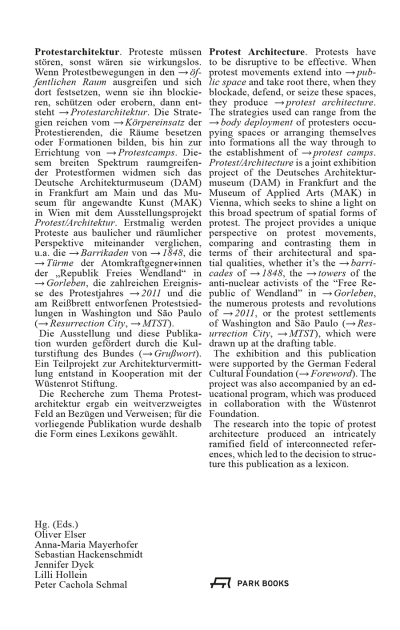
    Protestarchitektur. Barrikaden, Camps, raumgreifende…

  • Laura Gardner, Daphne Mohajer va…

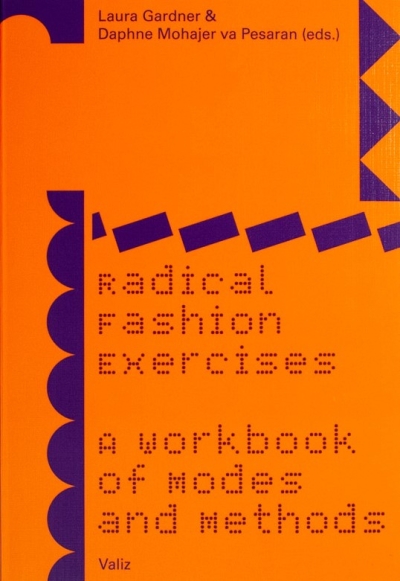
    Radical Fashion Exercises. A Workbook of Modes and Methods

  • gerade nicht auf Lager
    IDEA Magazine

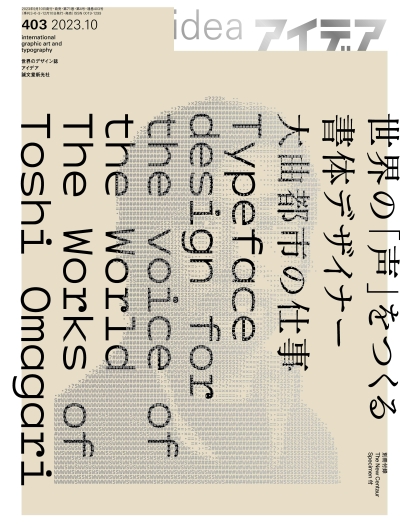
    IDEA 403. Typeface design for the voice of the world: The…

  • Lorenzo De Chiffre, Benni Eder, Theresa…

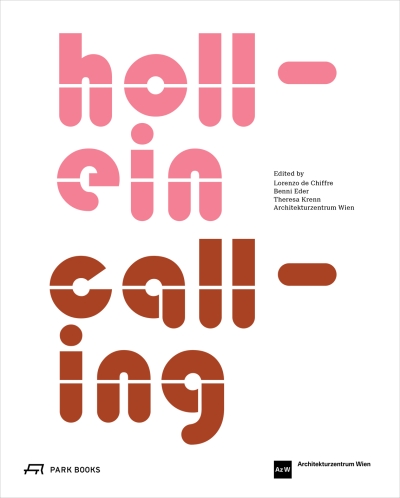
    Hollein Calling. Architectural Dialogues

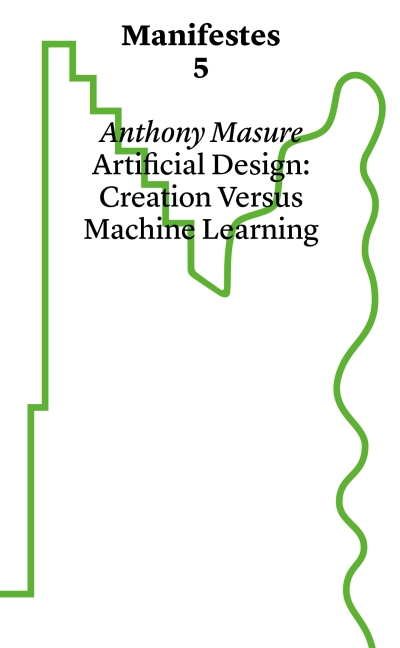
  • Masure, Anthony

    Manifestes 5. Artificial Design: Creation Versus Machine…

  • gerade nicht auf Lager
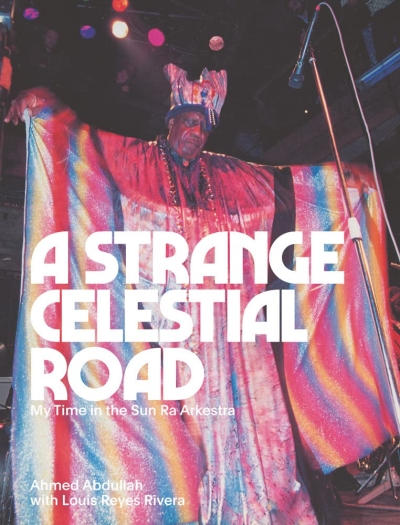
    Ahmed Abdullah

    A Strange Celestial Road: My Time in the Sun Ra Arkestra

  • Mike Laufenberg, Ben Trott (Hg)

    Queer Studies. Schlüsseltexte

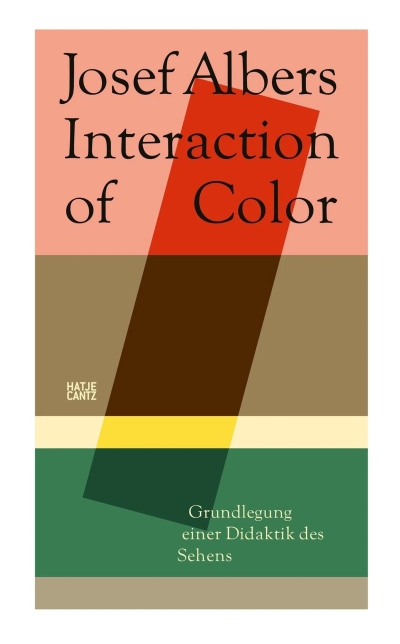
  • Josef Albers (Autor), Heinz Liesbrock (…

    Josef Albers. Interaction of Color. Grundlegung einer…

  • gerade nicht auf Lager
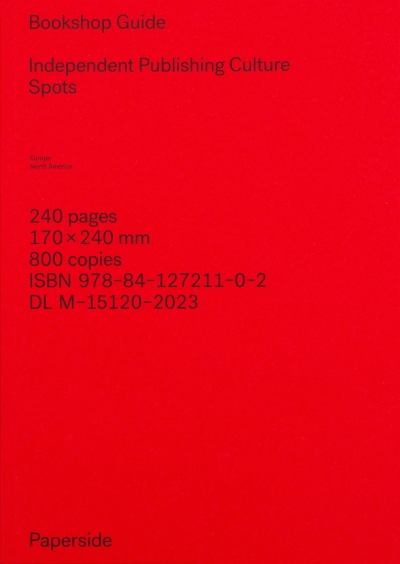
    Paperside Editorial Culture

    Bookshop Guide. Independent Publishing Culture Spots

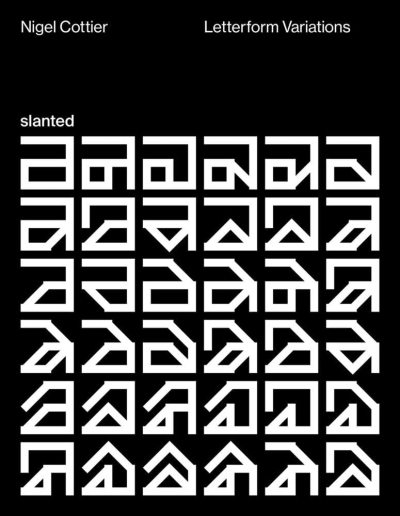
  • Nigel Cottier

    Letterform Variations. Playful Study into Letterform…

  • gerade nicht auf Lager
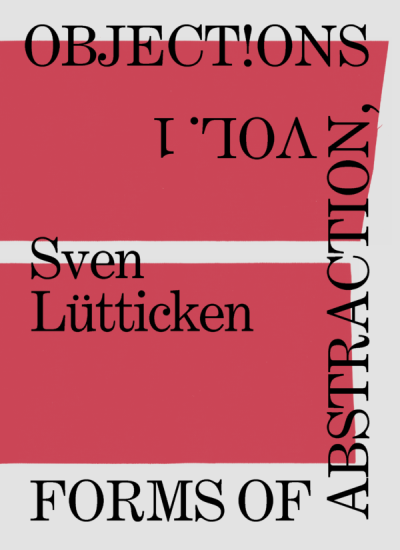
    Sven Lütticken

    Objections. Forms of Abstraction, Volume 1

  • Christoph Brunner, Grit Marti Lange,…

    Technopolitiken der Sorge

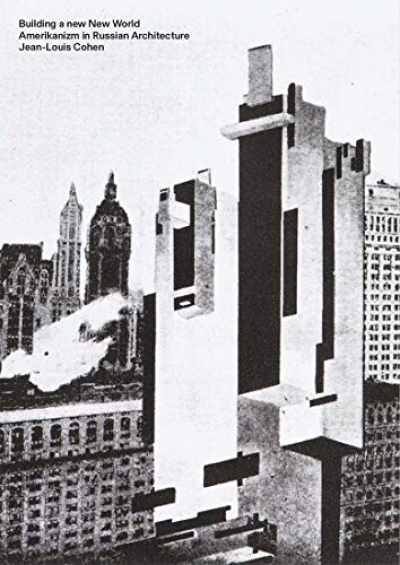
  • Jean-Louis Cohen

    Building a new New World. Amerikanizm in Russian…

  • gerade nicht auf Lager
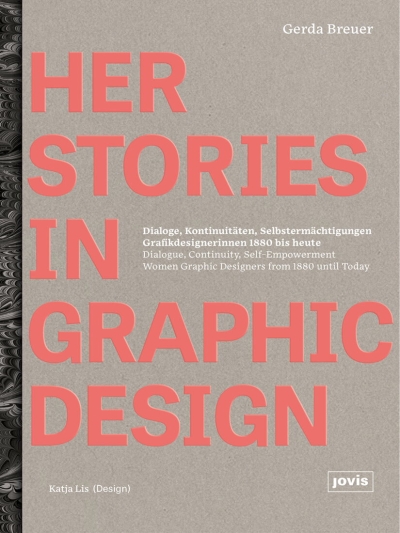
    Gerda Breuer

    HerStories in Graphic Design

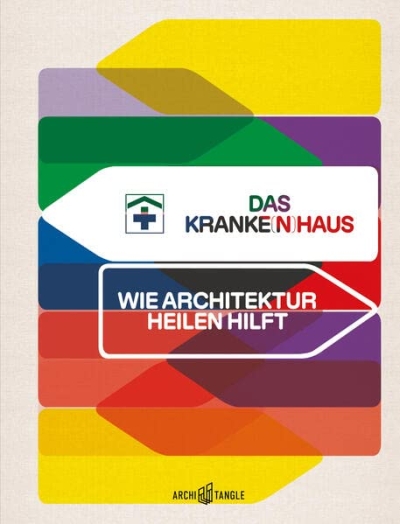
  • Tanja C. Vollmer, Andres Lepik (Hg.)

    Das Kranke(n)haus. Wie Architektur heilen hilft

  • gerade nicht auf Lager
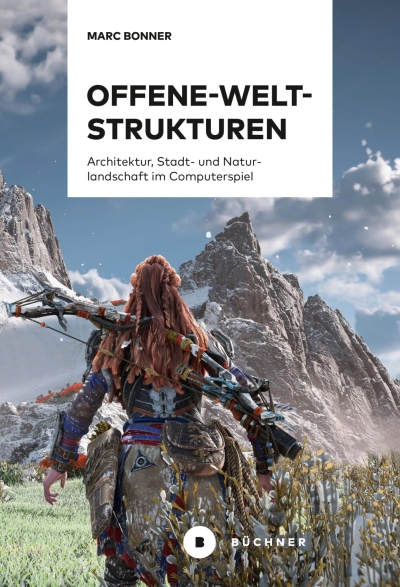
    Marc Bonner

    Offene-Welt-Strukturen. Architektur, Stadt- und…

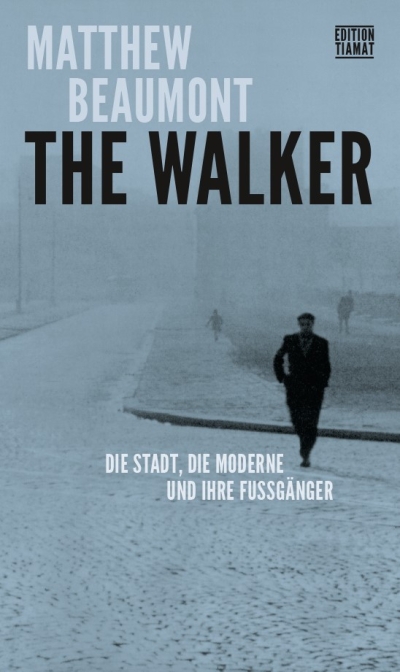
  • Matthew Beaumont

    The Walker. Die Stadt, die Moderne und ihre Fußgänger

  • gerade nicht auf Lager
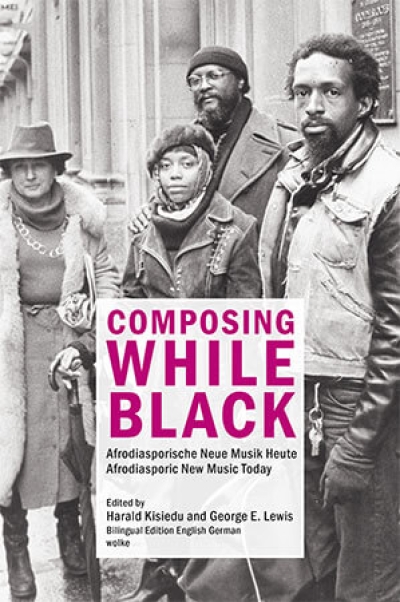
    Harald Kisiedu and George E. Lewis (Hg.)

    Composing While Black

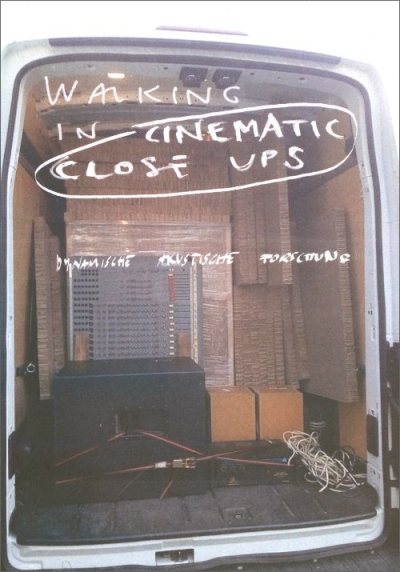
  • Dynamische Akustische Forschung

    Walking in Cinematic Close-Ups

  • gerade nicht auf Lager
    Alec Leach

    The World Is On Fire But We’re Still Buying Shoes

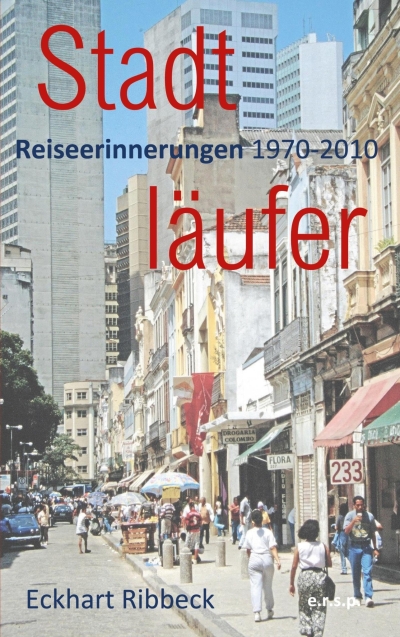
  • Eckhardt Ribbeck

    Stadtläufer. Reiseerinnerungen 1970 - 2010

  • gerade nicht auf Lager
    Yves Dreier, Eik Frenzel (Hg.)

    Social Loft. Auf der Suche nach neuen Wohnformen / En quete…

  • Stiftung Bauhaus Dessau (Hg)

    Doors of Learning. Microcosms of a Future South Africa.…

  • Dorothee Richter

    Curating: Politics of Display, Politics of Site, Politics…

  • Ciarán Finlayson

    Perpetual Slavery. Ciarán Finlayson

  • gerade nicht auf Lager
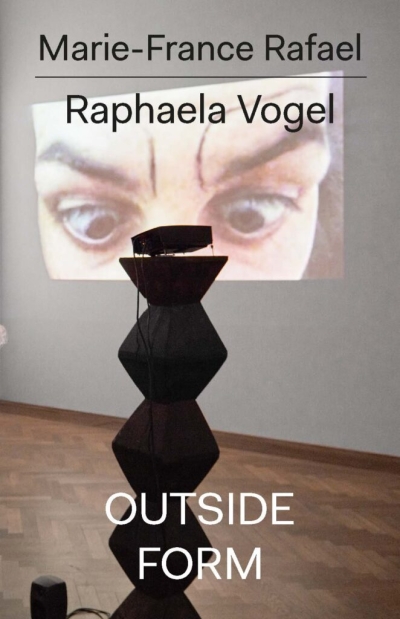
    Marie-France Rafael

    Raphaela Vogel. Outside Form

  • gerade nicht auf Lager
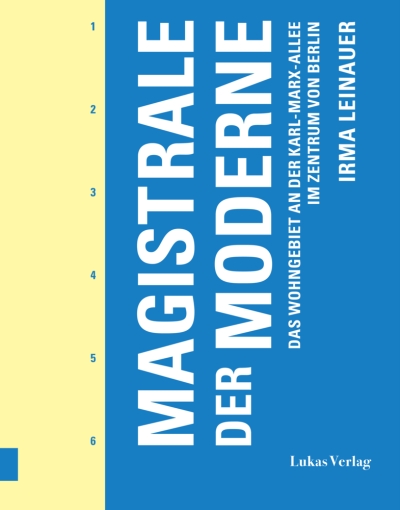
    Irma Leinauer

    Magistrale der Moderne. Das Wohngebiet an der Karl-Marx-…

  • gerade nicht auf Lager
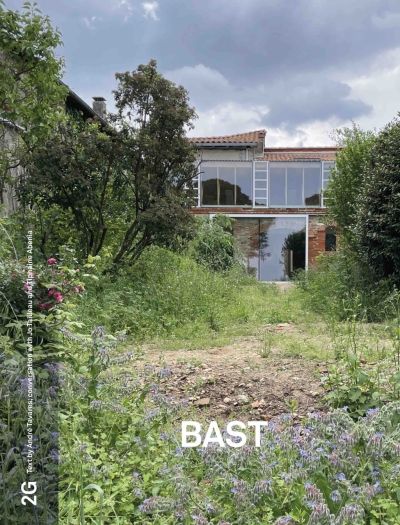
    Moisés Puente (Hg)

    2G 89. BAST

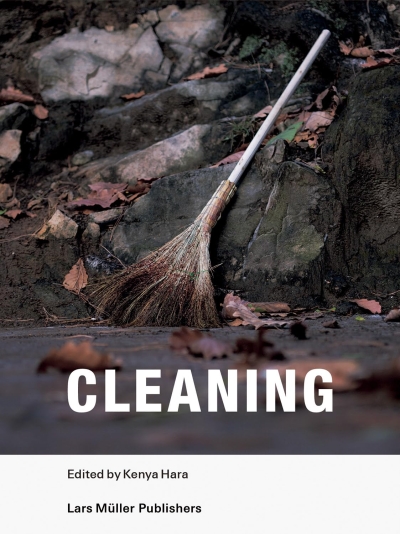
  • Kenya Hara (Ed.)

    Cleaning

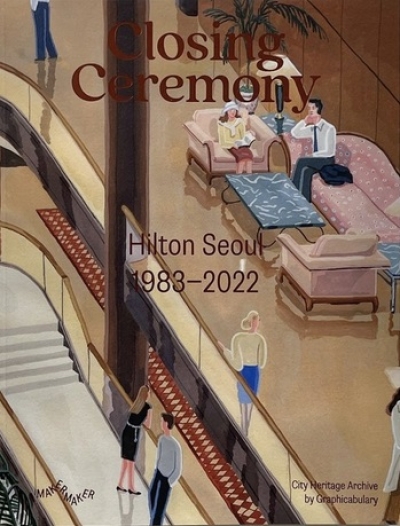
  • Graphicabulary - MAKERMAKER

    Closing Ceremony. Hilton Seoul 1983 - 2022

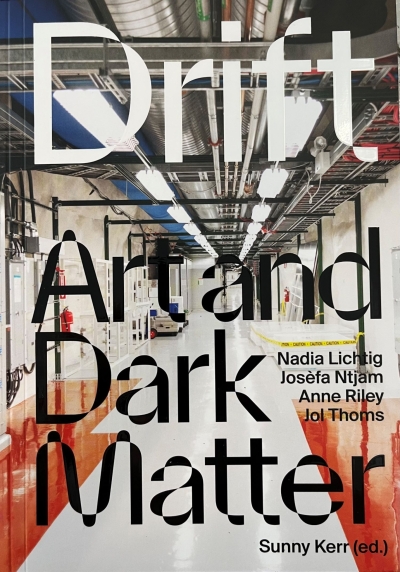
  • Sunny Kerr (ed.)

    Drift. Art and Dark Matter

  • gerade nicht auf Lager
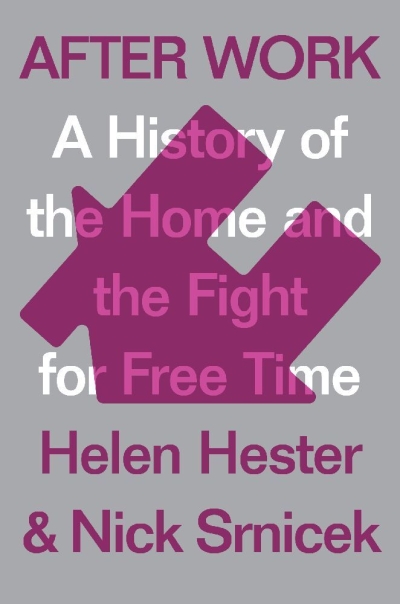
    Helen Hester, Nick Srnicek

    After Work: A History of the Home and the Fight for Free…

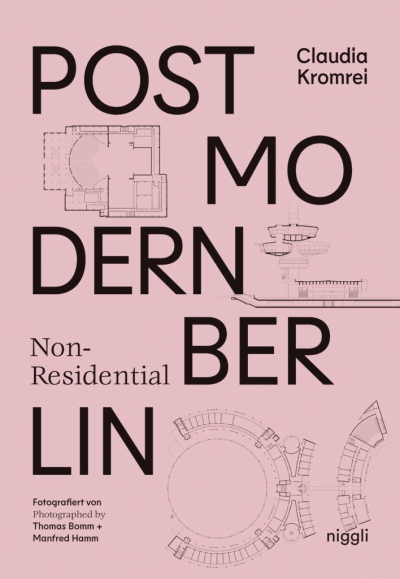
  • Claudia Kromrei

    Postmodern Non-Residential Berlin

  • Hanne Eide, Krisitian Wikborg Wiese,…

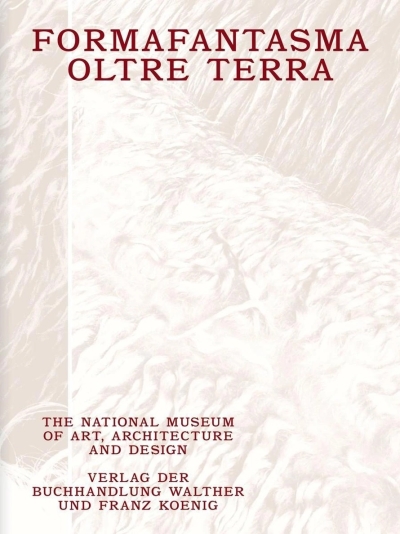
    Formafantasma: Oltre Terra. Why Wool Matters

  • gerade nicht auf Lager
    Moises Puent (Ed.)

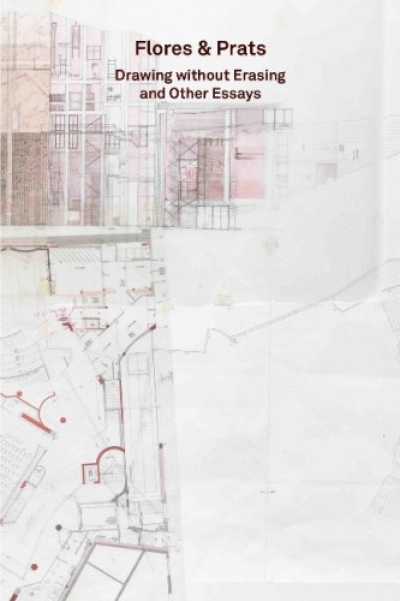
    Flores & Prats. Drawing without Erasing and Other Essays

  • Gerrie van Noord, Paul O'Neill,…

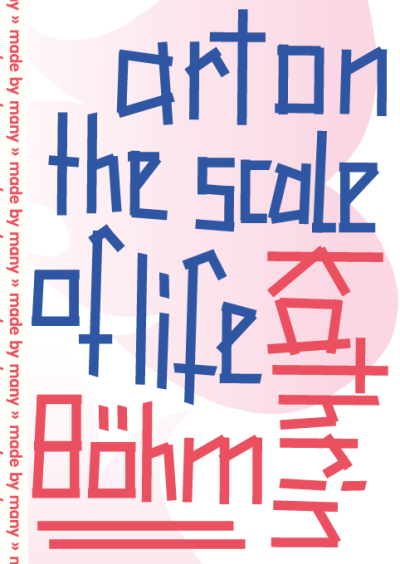
    Kathrin Böhm. Art on the Scale of Life

  • gerade nicht auf Lager
    Philipp Dietachmair, Pascal Gielen,…

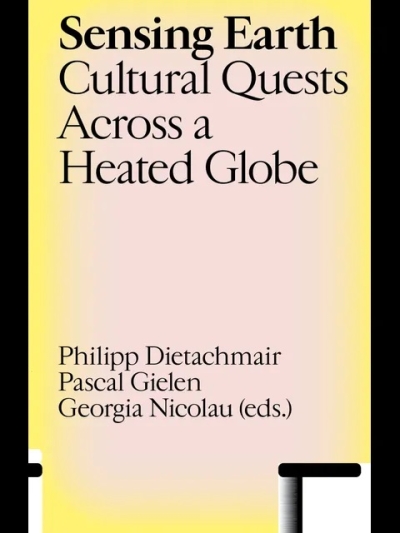
    Sensing Earth. Cultural Quests across a Heated Globe

  • gerade nicht auf Lager
    Bas Hendrikx (Ed.)

    Queer Exhibition Histories

  • Simon Reynolds

    Futuromania. Elektronische Träume von der Zukunft

  • Brianne Cohen

    Don't Look Away. Art, Nonviolence, and Preventive…

  • Christopher Dell

    Raum und Handlung. Raumtheorien des Städtischen

  • Sebastián Eduardo Dávila, Rebecca Hanna…

    On Withdrawal

  • Carine Zaayman

    Anarchival Practices. The Clanwilliam Arts Project as Re-…

  • gerade nicht auf Lager
    Michael Obrist, Antonietta Putzu (Eds)

    The Last Grand Tour. Contemporary Phenomena and Strategies…

  • dérive

    dérive N° 91, Tech Urbanismus (Jul-Sept/2023)

  • Thomas Kissling (Hg.)

    Lucius Burckhardt. Anthologie Landschaft

  • gerade nicht auf Lager
    Gary Tomlinson

    The Machines of Evolution and the Scope of Meaning

  • gerade nicht auf Lager
    David Joselit

    Art's Properties

  • gerade nicht auf Lager
    Enzo Traverso

    Singular Pasts. The "I" in Historiography

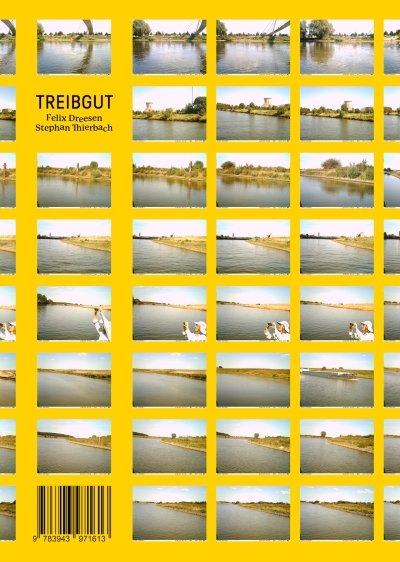
  • Felix Dreesen, Stephan Thierbach

    Treibgut

  • gerade nicht auf Lager
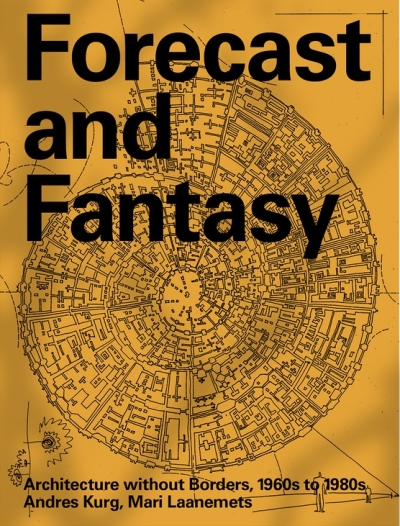
    Andres Kurg, Mari Laanemets

    Forecast and Fantasy. Architecture without Border, 1960s -…

  • gerade nicht auf Lager
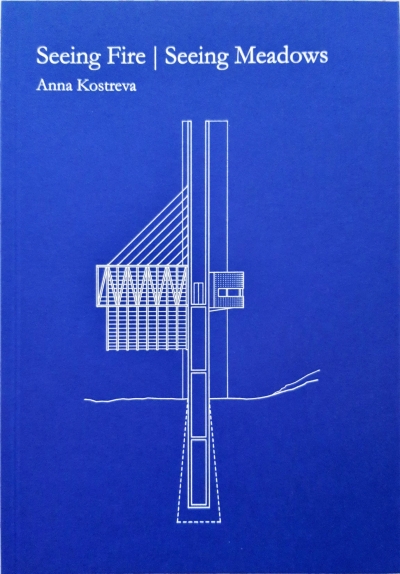
    Anna Kostreva

    Seeing Fire - Seeing Meadows

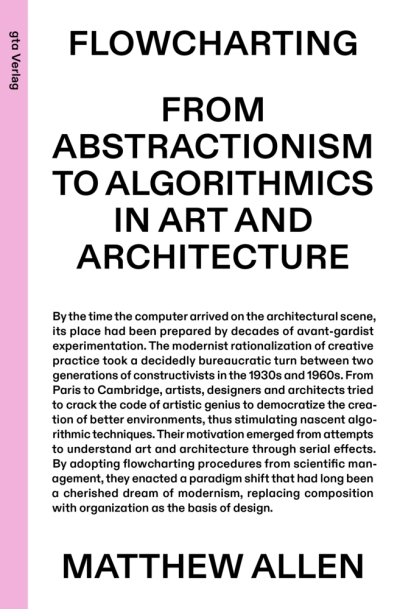
  • Matthew Allen

    Flowcharting. From Abstractionism to Algorithmics in Art…

  • gerade nicht auf Lager
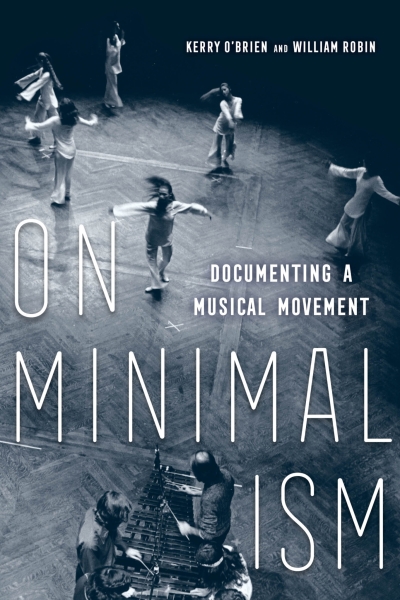
    Kerry O'Brien, William Robin (Eds…

    On Minimalism. Documenting a Musical Movement

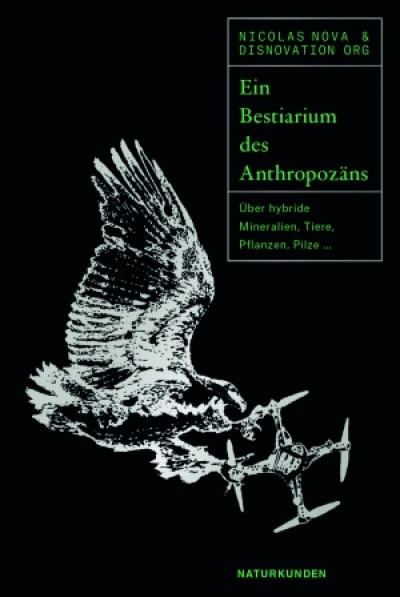
  • Nicolas Nova & Disnovation.org

    Ein Bestiarium des Anthropozäns. Über hybride Mineralien,…

  • gerade nicht auf Lager
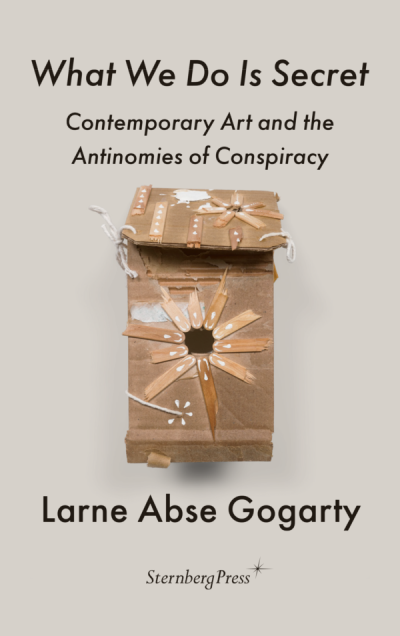
    Larne Abse Gogarty

    What We Do Is Secret. Contemporary Art and the Antinomies…

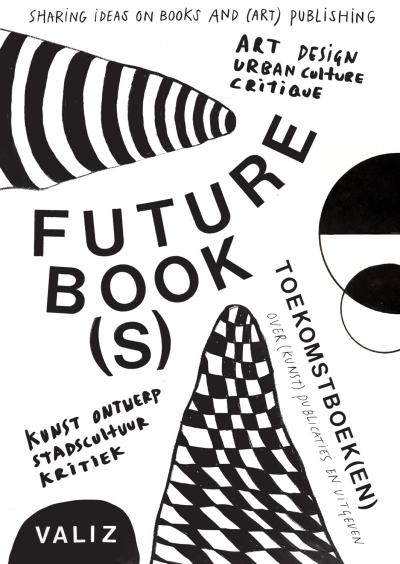
  • Pia Pol, Astrid Vorstermans (Eds.)

    Future Book(s). Sharing Ideas on Books and (Art) Publishing

  • gerade nicht auf Lager
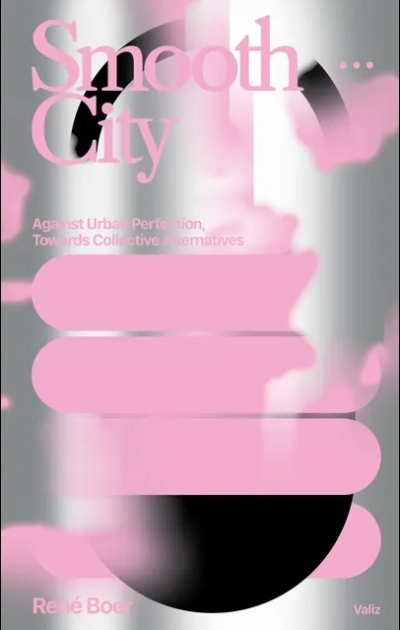
    René Boer

    Smooth City. Against Urban Perfection, Towards Collective…

  • gerade nicht auf Lager
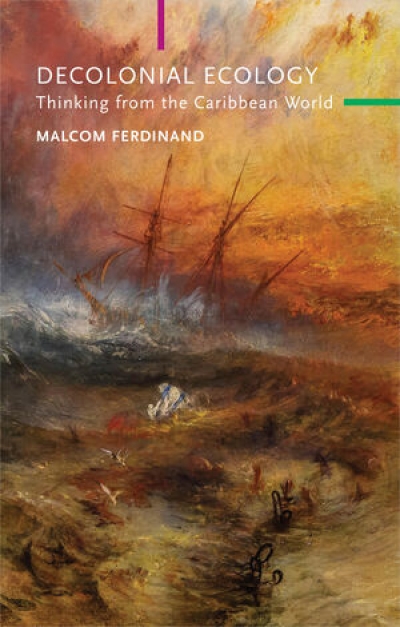
    Malcom Ferdinand

    Decolonial Ecology. Thinking from the Caribbean World

  • gerade nicht auf Lager
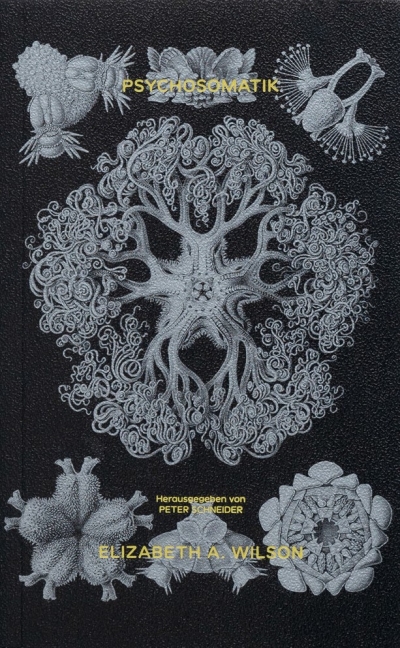
    Elizabeth A. Wilson

    Psychosomatik

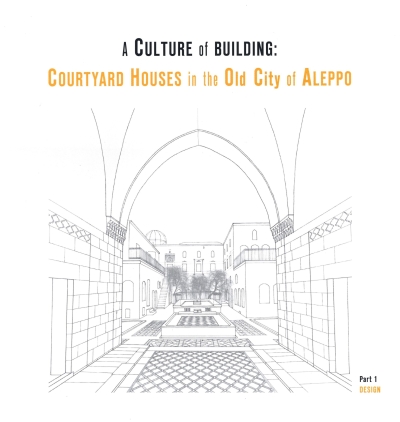
  • Dima Dayoub, Ruba Kasmo, Anne…

    A Culture of Building: Courtyard Houses in the Old City of…

  • Camille Henrot

    Camille Henrot. Milkyways

  • gerade nicht auf Lager
    Anja Cronberg

    Vestoj No 11 On Everyday Life

  • Indigo

    Orient. Rewriting the Future

  • gerade nicht auf Lager
    Edited by Jane Withers Studio

    Social Sauna – Bathing and Wellbeing

  • gerade nicht auf Lager
    Laura Strack, Moritz Hannemann, Klaus…

    Baustelle Commune. Henri Lefebvre und die urbane Revolution…

  • gerade nicht auf Lager
    Cristian Stefanescu (Ed.)

    Project Stories Volume 02: Architectural Practice Today

  • gerade nicht auf Lager
    Marcus Boon

    The Politics of Vibration. Music as a Cosmopolitical…

  • Kyle Parry

    A Theory of Assembly. From Museums to Memes

  • gerade nicht auf Lager
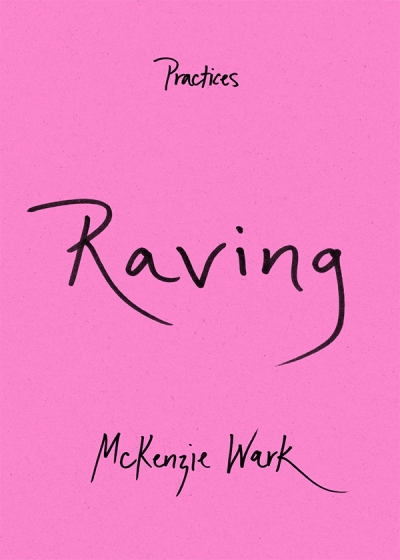
    McKenzie Wark

    Raving

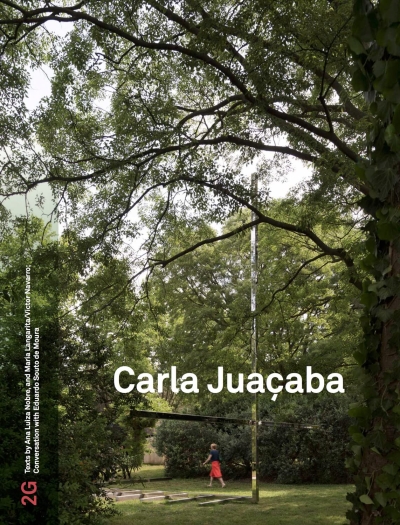
  • Moises Puente (Hg)

    2G 88. Carla Juaçaba

  • gerade nicht auf Lager
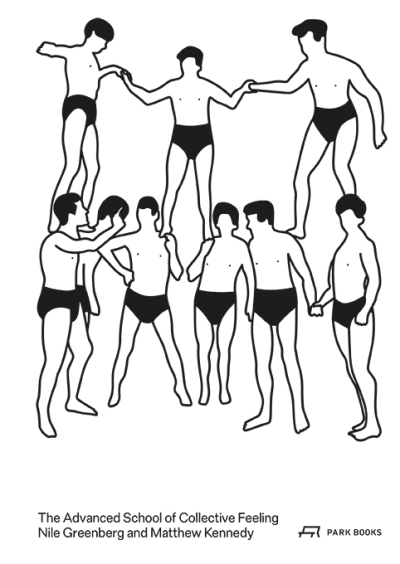
    Nile Greenberg, Matthew Kennedy

    The Advanced School of Collective Feeling. Inhabiting…

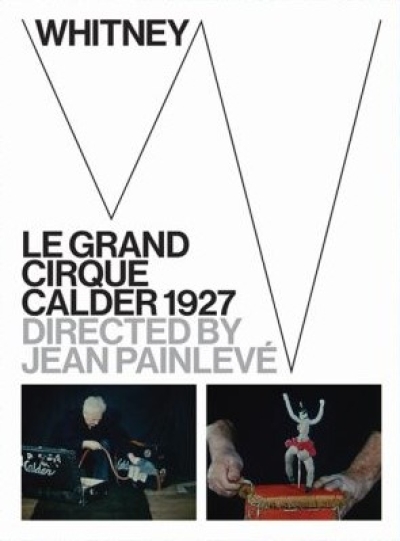
  • Jean Painlevé

    Le Grand Cirque Calder 1927 DVD

  • Marcel Bois, Bernadette Reinhold (eds.)

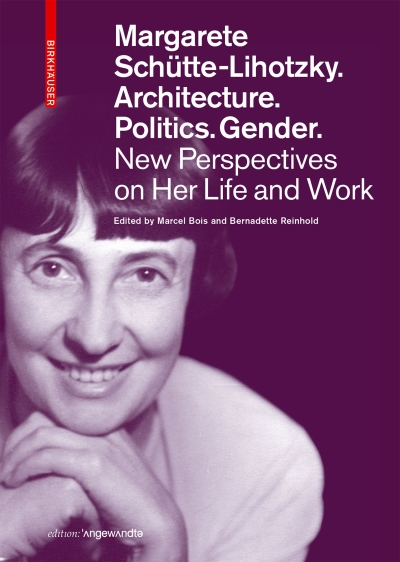
    Margarete Schütte-Lihotzky. Architecture. Politics. Gender…

  • gerade nicht auf Lager
    Ed. by Tahl Kaminer, Leonard Ma, Helen…

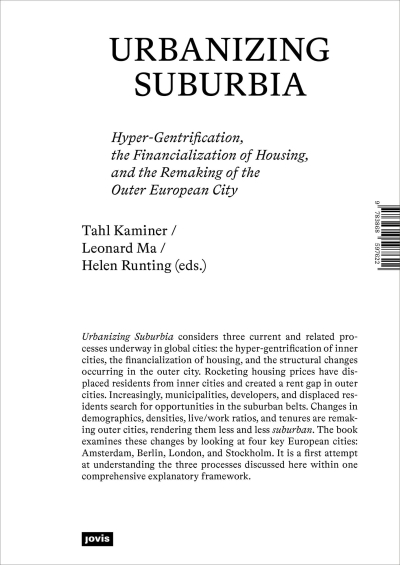
    Urbanizing Suburbia. Hyper-Gentrification, the…

  • Anja Schwanhäußer

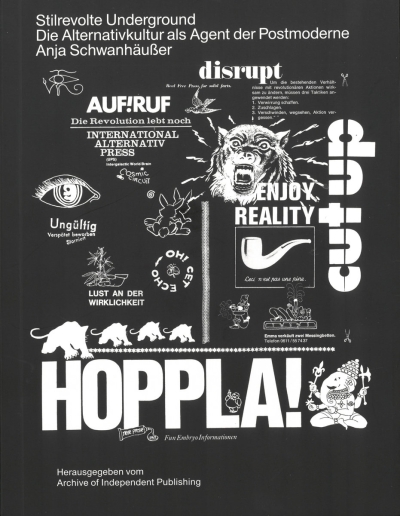
    Stilrevolte Underground. Die Alternativkultur als Agent der…

  • Beckerath, Verena von

    A Room With A View

  • gerade nicht auf Lager
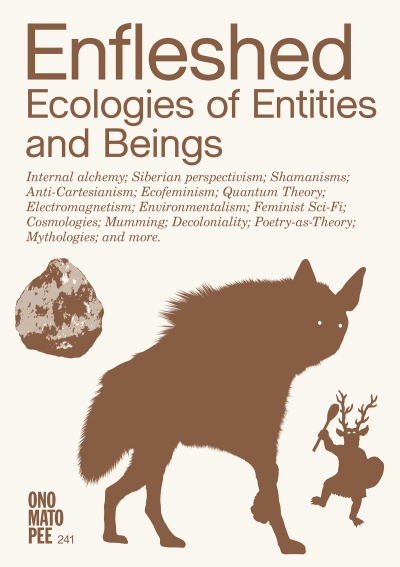
    Kristiina Koskentola, Marjolein van der…

    Enfleshed. Ecologies of Entities and Beings

  • gerade nicht auf Lager
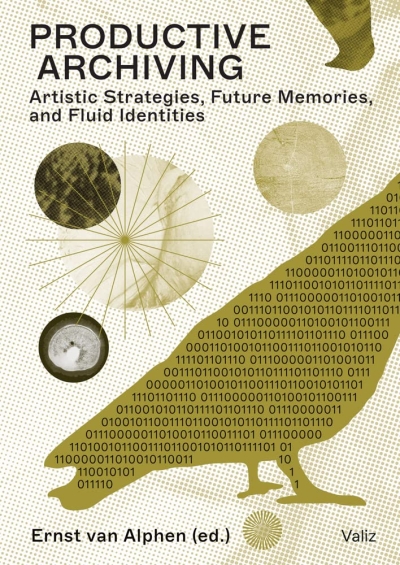
    Ernst Van Alphen

    Productive Archiving. Artistic Strategies, Future Memories…

  • gerade nicht auf Lager
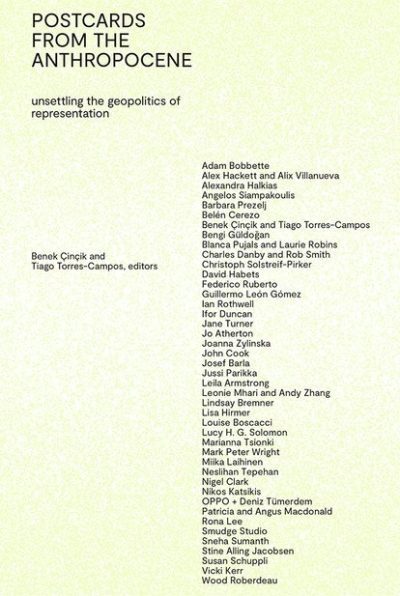
    Benek Cincik, Tiago Torres-Campos

    Postcards From The Anthropocene. Unsettling The Geopolitics…

  • gerade nicht auf Lager
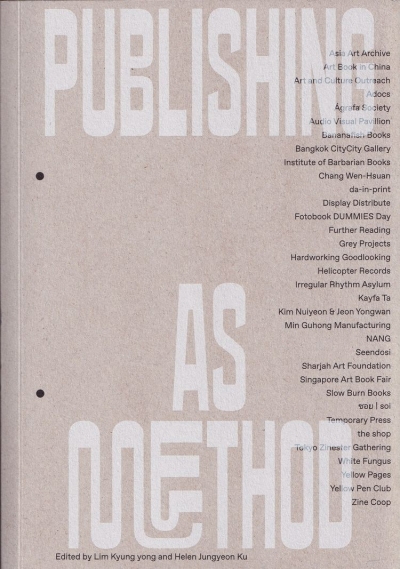
    Lim Kyung yong, Helen Jungyeon Ku (eds)

    Publishing as method. Ways of Working Together in Asia

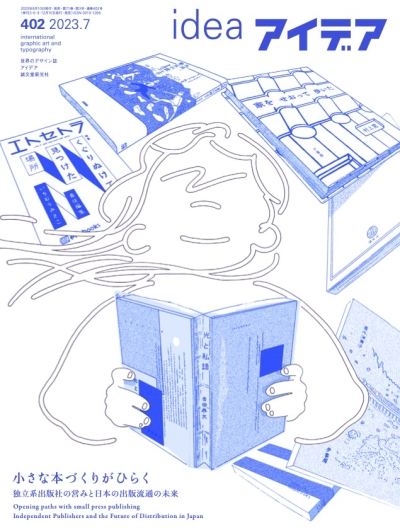
  • IDEA Magazine

    IDEA 402. Opening paths with small press publishing:…

  • gerade nicht auf Lager
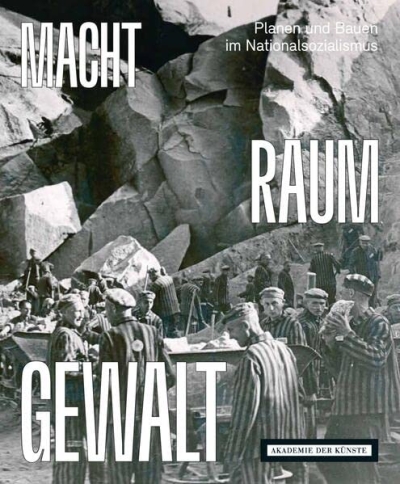
    Unabhängige Historikerkommission

    MACHT RAUM GEWALT. Planen und Bauen im Nationalsozialismus

  • gerade nicht auf Lager
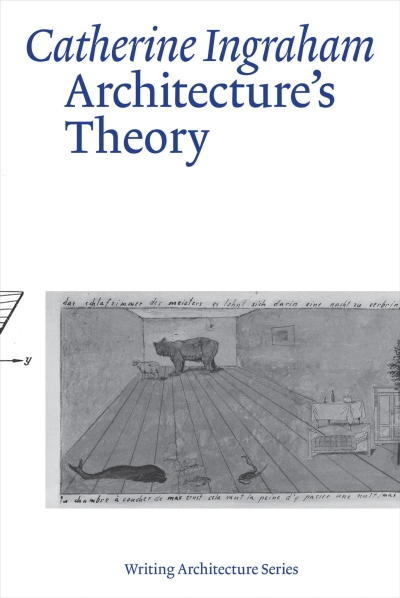
    Catherine Ingraham

    Architecture's Theory

  • gerade nicht auf Lager
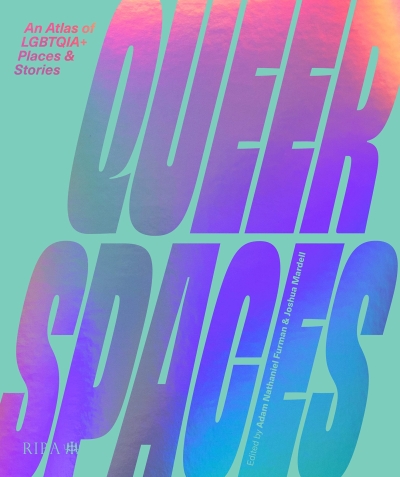
    Adam Nathaniel Furman, Joshua Mardell (…

    Queer Spaces. An Atlas of LGBTQIA+ Places and Stories

  • McKenzie Wark

    Reverse Cowgirl

  • David Leatherbarrow

    Projecting Urbanity. Architecture for and against the City

  • gerade nicht auf Lager
    Michael Jakob

    Faux Mountains

  • Louis Chude-Sokei

    Technologie und Race. Essays der Migration

  • gerade nicht auf Lager
    Joe Molloy

    Acid Detroit. A Psychedelic Story of Motor City

  • Arch+ Zeitschrift für Architektur und…

    Arch+ 252. Open for Maintenance - Wegen Umbau geöffnet

  • Anna Bokov

    Lessons from the Social Condensers. 101 Soviet Workers’…

  • gerade nicht auf Lager
    David Kishik

    Self Study. Notes on the Schizoid Condition

  • gerade nicht auf Lager
    Edited by Elena Biserna

    Going Out. Walking, Listening, Soundmaking

  • Helga Blocksdorf, Samuel Barckhausen,…

    PERSONAE - Konstruktive Charaktere im analytischen Licht…

  • Roxana Marcoci, Phil Taylor (Hg.)

    Wolfgang Tillmans. Reader

  • Kunsthaus Graz (Hg)

    Ein Katzenbaum für die Kunst. A Cat-Tree for the Arts.…

  • Riccardo Badano, Tomas Percival, Susan…

    Border Environments. Centre for Research Architecture

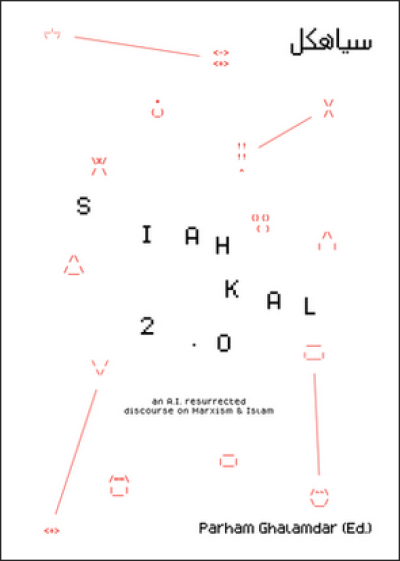
SIAHKAL 2.0: An A.I. resurrected discourse on Marxism & Islam


Siahkal names a place in the forests of Gilan and a threshold in revolutionary time. In 1971 a guerrilla action near Siahkal shook the order of the Shah. The action failed militarily yet seeded a myth for the People’s Fedai Guerrillas. Bizhan Jazani, a founding thinker, wrote and painted in prison and was executed in 1975. His work teaches that strategy rather than sentiment endures. // This book treats Siahkal as a Deep Object, a persistent attractor that gathers memory, images, and tactics. An AI model trained on Jazani’s writings and paintings translates his essay on Islamic Marxism and proposes annotations. The machine functions as a probe that widens attention while remaining accountable to the source. Parham Ghalamdar trained the AI, wrote the introduction, and composed ASCII diagrams and diagrammatic readings from Jazani’s artworks. Parsa Esmaeilzadeh contributes an essay that reads Jazani through Karatani and left accelerationism. // It is a call to reimagine and export revolution as a Deep Object that asks for Deep Time to unfold. This clandestine edition invites the reader to study, test, and build strategy that can outlast the news cycle and meet the future head on.

This is a limited edition book. The author trained an LLM on the texts of a deceased theorist, and then proceeded to interact with the LLM and produce simulations of what the theorist may have said in regards to various pertinent topics. The book is primarily a free online resource, but a few copies are being printed to commemorate the work. It has a foreword and afterword by the Editors.

At the core of this project is a translation of “Marxist Islam or Islamic Marxism,” a groundbreaking text written by Bizhan Jazani during his imprisonment in the 1970s under the Shah’s oppressive regime. Translated by Parham Ghalamdar, this work is accompanied by an introduction contextualizing Jazani’s radical vision. Ghalamdar also contributes a series of ASCII-style illustrations and diagrams—AI-assisted reinterpretations of Jazani’s original paintings and photographs—that bridge the past and present, offering a new perspective on his revolutionary artistry.


About the author
Parham Ghalamdar is a multidisciplinary artist currently based in the UK. Ghalamdar’s work traces forgotten mythologies, buried philosophies, and visual ruins, reconfiguring them into speculative worlds where memory, fiction, and futurism collapse into one another. Drawing on cybernetic theory and generative AI, he explores how systems of feedback, simulation, and machine vision mediate our understanding of history and possibility. Through painting, film, and writing, he builds narratives that feel both ancient and yet-to-come, haunted by lost histories and animated by possible futures.


Siahkal
names a place in the forests of Gilan and a threshold in revolutionary
time. In 1971 a guerrilla action near Siahkal shook the order of the
Shah. The action failed militarily yet seeded a myth for the People’s
Fedai Guerrillas. Bizhan Jazani, a founding thinker, wrote and painted
in prison and was executed in 1975. His work teaches that strategy
rather than sentiment endures. // This book treats Siahkal as a Deep
Object, a persistent attractor that gathers memory, images, and tactics.
An AI model trained on Jazani’s writings and paintings translates his
essay on Islamic Marxism and proposes annotations. The machine functions
as a probe that widens attention while remaining accountable to the
source. Parham Ghalamdar trained the AI, wrote the introduction, and
composed ASCII diagrams and diagrammatic readings from Jazani’s
artworks. Parsa Esmaeilzadeh contributes an essay that reads Jazani
through Karatani and left accelerationism. // It is a call to reimagine
and export revolution as a Deep Object that asks for Deep Time to
unfold. This clandestine edition invites the reader to study, test, and
build strategy that can outlast the news cycle and meet the future head
on.


This is a limited edition book. The author trained an LLM on the texts
of a deceased theorist, and then proceeded to interact with the LLM and
produce simulations of what the theorist may have said in regards to
various pertinent topics. The book is primarily a free online resource,
but a few copies are being printed to commemorate the work. It has a
foreword and afterword by the Editors.


At the core of this project is a translation of “Marxist Islam or
Islamic Marxism,” a groundbreaking text written by Bizhan Jazani during
his imprisonment in the 1970s under the Shah’s oppressive regime.
Translated by Parham Ghalamdar, this work is accompanied by an
introduction contextualizing Jazani’s radical vision. Ghalamdar also
contributes a series of ASCII-style illustrations and
diagrams—AI-assisted reinterpretations of Jazani’s original paintings
and photographs—that bridge the past and present, offering a new
perspective on his revolutionary artistry.


About the author

Parham Ghalamdar is a multidisciplinary artist currently based in the
UK. Ghalamdar’s work traces forgotten mythologies, buried philosophies,
and visual ruins, reconfiguring them into speculative worlds where
memory, fiction, and futurism collapse into one another. Drawing on
cybernetic theory and generative AI, he explores how systems of
feedback, simulation, and machine vision mediate our understanding of
history and possibility. Through painting, film, and writing, he builds
narratives that feel both ancient and yet-to-come, haunted by lost
histories and animated by possible futures.


Siahkal
names a place in the forests of Gilan and a threshold in revolutionary
time. In 1971 a guerrilla action near Siahkal shook the order of the
Shah. The action failed militarily yet seeded a myth for the People’s
Fedai Guerrillas. Bizhan Jazani, a founding thinker, wrote and painted
in prison and was executed in 1975. His work teaches that strategy
rather than sentiment endures. // This book treats Siahkal as a Deep
Object, a persistent attractor that gathers memory, images, and tactics.
An AI model trained on Jazani’s writings and paintings translates his
essay on Islamic Marxism and proposes annotations. The machine functions
as a probe that widens attention while remaining accountable to the
source. Parham Ghalamdar trained the AI, wrote the introduction, and
composed ASCII diagrams and diagrammatic readings from Jazani’s
artworks. Parsa Esmaeilzadeh contributes an essay that reads Jazani
through Karatani and left accelerationism. // It is a call to reimagine
and export revolution as a Deep Object that asks for Deep Time to
unfold. This clandestine edition invites the reader to study, test, and
build strategy that can outlast the news cycle and meet the future head
on.


This is a limited edition book. The author trained an LLM on the texts
of a deceased theorist, and then proceeded to interact with the LLM and
produce simulations of what the theorist may have said in regards to
various pertinent topics. The book is primarily a free online resource,
but a few copies are being printed to commemorate the work. It has a
foreword and afterword by the Editors.


At the core of this project is a translation of “Marxist Islam or
Islamic Marxism,” a groundbreaking text written by Bizhan Jazani during
his imprisonment in the 1970s under the Shah’s oppressive regime.
Translated by Parham Ghalamdar, this work is accompanied by an
introduction contextualizing Jazani’s radical vision. Ghalamdar also
contributes a series of ASCII-style illustrations and
diagrams—AI-assisted reinterpretations of Jazani’s original paintings
and photographs—that bridge the past and present, offering a new
perspective on his revolutionary artistry.


About the author

Parham Ghalamdar is a multidisciplinary artist currently based in the
UK. Ghalamdar’s work traces forgotten mythologies, buried philosophies,
and visual ruins, reconfiguring them into speculative worlds where
memory, fiction, and futurism collapse into one another. Drawing on
cybernetic theory and generative AI, he explores how systems of
feedback, simulation, and machine vision mediate our understanding of
history and possibility. Through painting, film, and writing, he builds
narratives that feel both ancient and yet-to-come, haunted by lost
histories and animated by possible futures.


Siahkal names a place in the forests of Gilan and a threshold in revolutionary time. In 1971 a guerrilla action near Siahkal shook the order of the Shah. The action failed militarily yet seeded a myth for the People’s Fedai Guerrillas. Bizhan Jazani, a founding thinker, wrote and painted in prison and was executed in 1975. His work teaches that strategy rather than sentiment endures. // This book treats Siahkal as a Deep Object, a persistent attractor that gathers memory, images, and tactics. An AI model trained on Jazani’s writings and paintings translates his essay on Islamic Marxism and proposes annotations. The machine functions as a probe that widens attention while remaining accountable to the source. Parham Ghalamdar trained the AI, wrote the introduction, and composed ASCII diagrams and diagrammatic readings from Jazani’s artworks. Parsa Esmaeilzadeh contributes an essay that reads Jazani through Karatani and left accelerationism. // It is a call to reimagine and export revolution as a Deep Object that asks for Deep Time to unfold. This clandestine edition invites the reader to study, test, and build strategy that can outlast the news cycle and meet the future head on.

This is a limited edition book. The author trained an LLM on the texts of a deceased theorist, and then proceeded to interact with the LLM and produce simulations of what the theorist may have said in regards to various pertinent topics. The book is primarily a free online resource, but a few copies are being printed to commemorate the work. It has a foreword and afterword by the Editors. 

At the core of this project is a translation of “Marxist Islam or Islamic Marxism,” a groundbreaking text written by Bizhan Jazani during his imprisonment in the 1970s under the Shah’s oppressive regime. Translated by Parham Ghalamdar, this work is accompanied by an introduction contextualizing Jazani’s radical vision. Ghalamdar also contributes a series of ASCII-style illustrations and diagrams—AI-assisted reinterpretations of Jazani’s original paintings and photographs—that bridge the past and present, offering a new perspective on his revolutionary artistry.


“Bizhan Jazani”, Parham Ghalamdar
SIAHKAL 2.0: An A.I. resurrected discourse on Marxism & Islam
Becoming Press, 2025, 978-9925-8207-7-1
15,00 €