



Direkt zum Inhalt

Warenkorb

  • Alain Badiou

    Wofür steht der Name Sarkozy?

  • gerade nicht auf Lager
    Donna Haraway

    Die Neuerfindung der Natur. Primaten, Cyborgs und Frauen.

  • gerade nicht auf Lager
    Stefanie Schulte Strathaus, Florian…

    Wer sagt denn, dass Beton nicht brennt, hast Du’s probiert?

  • gerade nicht auf Lager
    Henri Lefebvre

    Writings on Cities

  • Loretta Napoleoni

    Rogue Economics. Capitalism's New Reality

  • AD

    AD 174. Vol. 75. Nr. 2. Samantha Hardingham. The 1970'…

  • An Architektur

    An Architektur 18: Camp for Oppositional Architecture:…

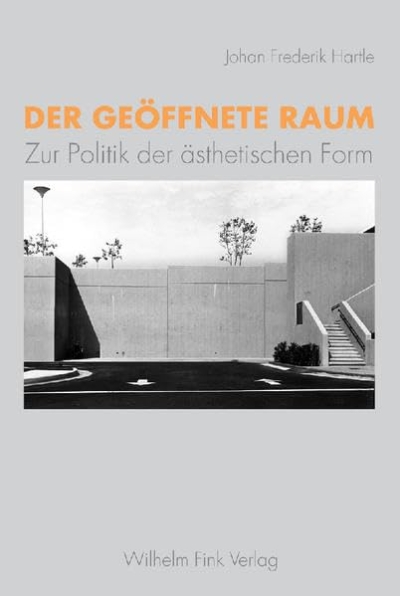
  • Johan Frederik Hartle

    Der geöffnete Raum. Zur Politik der ästhetischen Form

  • An Architektur

    An Architektur 16-17

  • Vera Beyer, Jutta Voorhoeve, Anselm…

    Das Bild ist der König. Repräsentation nach Louis Marin

  • An Architektur

    An Architektur 15 / FFM 11: Europäische…

  • An Architektur

    An Architektur 14: Camp for Oppositional Architecture

  • An Architektur

    An Architektur 11-13: Theorie und Praxis der Kartografie

  • An Architektur

    An Architektur 10: Gemeinschaftsräume

  • An Architektur

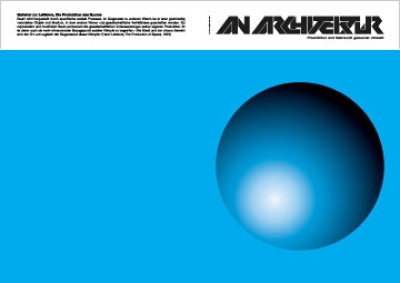
    An Architektur 04-09: Krieg und die Produktion von Raum

  • IDEA Magazine

    IDEA 296. Books <preposition> graphic design

  • IDEA Magazine

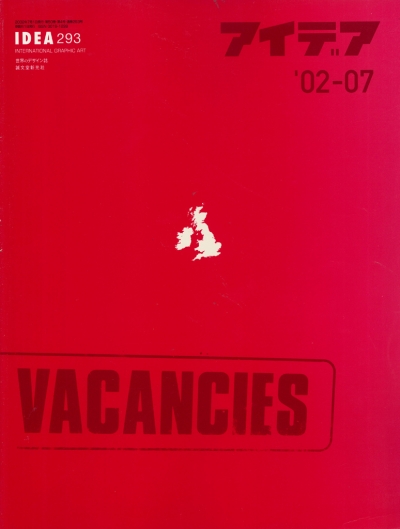
    IDEA 293. Stanley Donwood / Vacances. DD-DDD / Dimensions…

  • gerade nicht auf Lager
    An Architektur

    An Architektur 01-03

  • Pro qm

    Gutschein / Voucher

  • Siegfried Kracauer

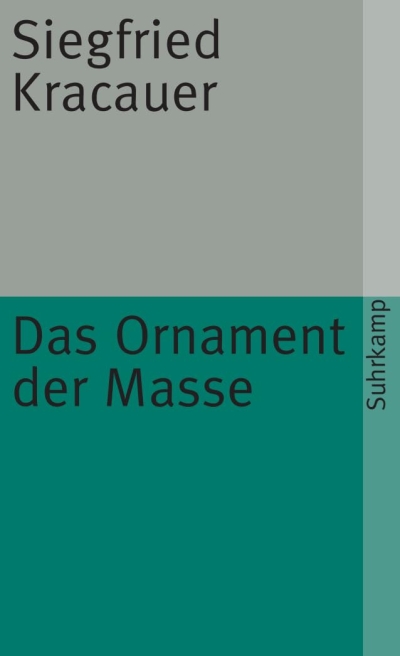
    Das Ornament der Masse. Essays

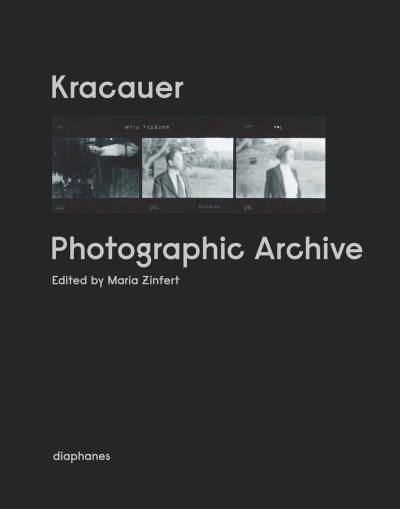
Sigfried Kracauer. Photographic Archive

The photography book "Kracauer. Photographic Archive" is a collection of previously unpublished photographic material from the estate of the sociologist, journalist and film theorist Siegfried Kracauer. Portrait, city and landscape photographs give insights into the life of the writer and his wife Elisabeth, known as Lili – a life marked by flight and exile. The photographic portraits of Kracauer from the 1930s on were all taken by his wife, while prints, contact sheets, rolls of film and written material reveal that Kracauer took pictures himself, too. Neither Kracauer nor his wife was a professional photographer, yet their photos testify to the aesthetic and technical achievements of their collaborative photographic practice: the eye of the great photography theorist combined with that of the art historian and observant, self-taught photographer Lili Kracauer. The book also tells the story of Lili and Siegfried Kracauer’s close working relationship – from the early 1930s following their marriage in Germany, to exile in Paris and the war and post-war years in the USA.


Maria Zinfert (Hg.)
Sigfried Kracauer. Photographic Archive
Diaphanes, 2015, 978-3-03734-671-6
gerade nicht auf Lager