










Direkt zum Inhalt

Warenkorb

  • N. John Habraken, Arnulf Lüchinger

    Die Träger und die Menschen. Das Ende des Massenwohnungsbau…

  • gerade nicht auf Lager
    Liz Kotz

    Words to Be Looked at. Language in 1960s Art

  • gerade nicht auf Lager
    Guy Debord

    Comments on the Society of the Spectacle

  • Michel de Certeau

    Kunst des Handelns

  • gerade nicht auf Lager
    Jacques Ranciere

    Ist Kunst widerständig?

  • Alain Badiou

    Wofür steht der Name Sarkozy?

  • gerade nicht auf Lager
    Donna Haraway

    Die Neuerfindung der Natur. Primaten, Cyborgs und Frauen.

  • gerade nicht auf Lager
    Stefanie Schulte Strathaus, Florian…

    Wer sagt denn, dass Beton nicht brennt, hast Du’s probiert?

  • gerade nicht auf Lager
    Henri Lefebvre

    Writings on Cities

  • Loretta Napoleoni

    Rogue Economics. Capitalism's New Reality

  • AD

    AD 174. Vol. 75. Nr. 2. Samantha Hardingham. The 1970'…

  • An Architektur

    An Architektur 18: Camp for Oppositional Architecture:…

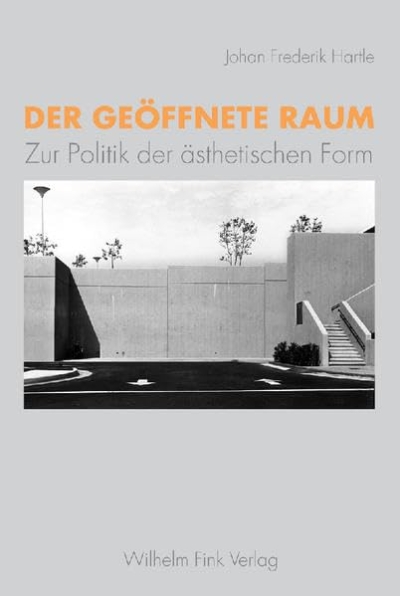
  • Johan Frederik Hartle

    Der geöffnete Raum. Zur Politik der ästhetischen Form

  • An Architektur

    An Architektur 16-17

  • Vera Beyer, Jutta Voorhoeve, Anselm…

    Das Bild ist der König. Repräsentation nach Louis Marin

  • An Architektur

    An Architektur 15 / FFM 11: Europäische…

  • An Architektur

    An Architektur 14: Camp for Oppositional Architecture

  • An Architektur

    An Architektur 11-13: Theorie und Praxis der Kartografie

  • An Architektur

    An Architektur 10: Gemeinschaftsräume

  • An Architektur

    An Architektur 04-09: Krieg und die Produktion von Raum

  • IDEA Magazine

    IDEA 296. Books <preposition> graphic design

  • IDEA Magazine

    IDEA 293. Stanley Donwood / Vacances. DD-DDD / Dimensions…

  • gerade nicht auf Lager
    An Architektur

    An Architektur 01-03

  • Pro qm

    Gutschein / Voucher

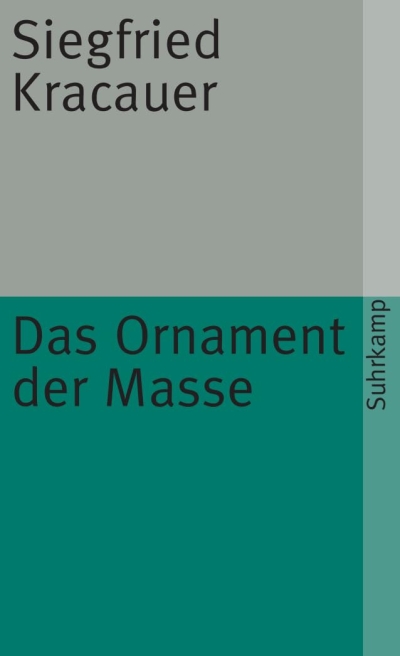
  • Siegfried Kracauer

    Das Ornament der Masse. Essays

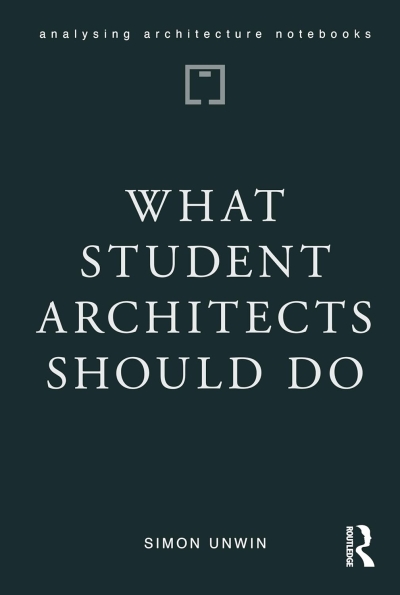
Cover What Student Architects Should Do

What Student Architects Should Do

(Analysing Architecture Notebooks)

As a first year student the challenges of learning how to do architecture can be daunting. Though not prescribing a particular way (there are as many ways to do architecture as there are architects), this Notebook outlines what you should do to cultivate your own distinctive capacity for architectural design.

Architecture is a rich and varied subject, a multifaceted and multidimensional skill. Learning to do it is not easy. It has many subtleties. Becoming fluent can take many years. Informed by decades of discussing architecture and its challenges with students, this Notebook will help you lay foundations for a rewarding career as a creative architect.

All Simon Unwin’s books explore architecture not just as a matter of form and space but in terms of its primal driving force, the universal need and desire to make places for life.

Each of these Analysing Architecture Notebooks is devoted to a particular theme in understanding the rich and varied workings of architecture. They can be thought of as addenda to the foundation volume Analysing Architecture: The Universal Language of Place-Making, which first appeared in 1997 and has subsequently been enlarged in four further editions. Examining these extra themes as a series of Notebooks, rather than as additional chapters in future editions, allows greater space for more detailed exploration of a wider variety of examples, whilst avoiding the risk of the original book becoming unwieldy.


Simon Unwin
What Student Architects Should Do

(Analysing Architecture Notebooks)

Routledge, 2025, 9781041001928
gerade nicht auf Lager