








Direkt zum Inhalt

Warenkorb

  • Chiara Certomà, Susan Noori, Martin…

    Urban gardening and the struggle for social and spatial…

  • Nina Flaitz (Hg.)

    Mycelium Resources in Architecture and Design

  • Anja Schwanhäußer, Albrecht Gäbel

    It's a Book, money low, funny though. Independence.…

  • gerade nicht auf Lager
    Barbara Büscher, Franz Anton Cramer,…

    Relational Acts. Performance Practices and Media of…

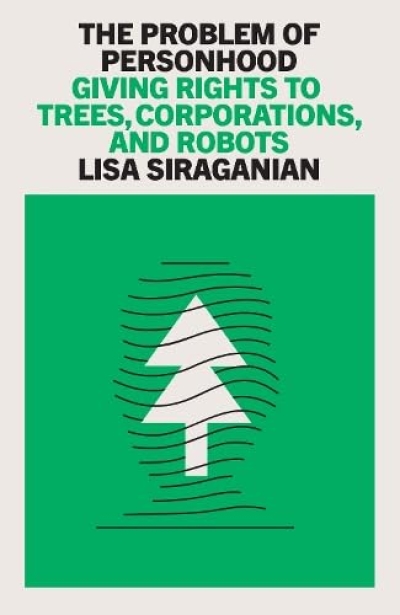
  • Lisa Siraganian

    The Problem of Personhood. Giving Rights to Trees,…

  • gerade nicht auf Lager
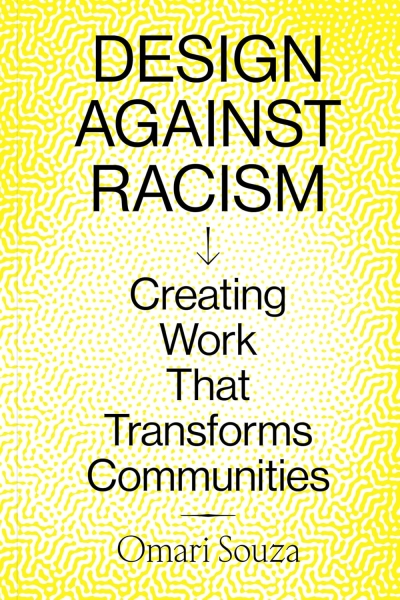
    Omari Souza

    Design Against Racism. Creating Work That Transforms…

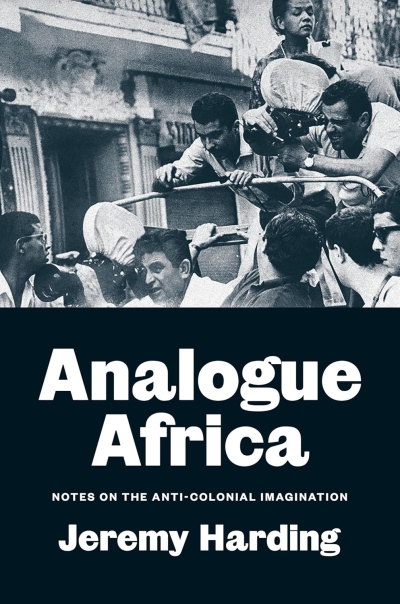
  • Jeremy Harding

    Analogue Africa. Notes on the Anti-Colonial Imagination

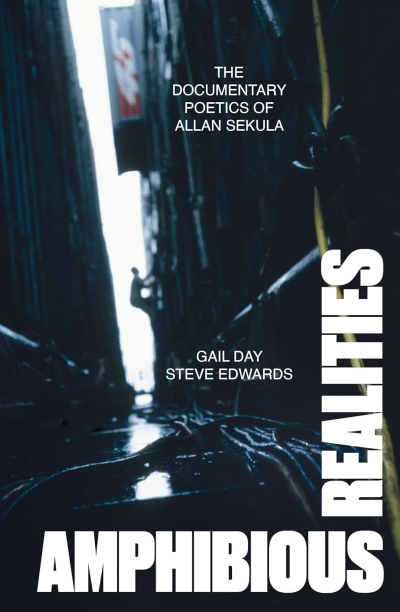
  • Gail Day, Steve Edwards

    Amphibious Realities. The Documentary Poetics of Allan…

  • Reinier de Graaf

    Architecture Against Architecture. A Manifesto

  • Wolfgang Ernst

    Den Technológos aufspüren. Medienarchäologische Arbeit am…

  • Carolyn L. Kane, Lida Zeitlin-Wu (eds.)

    Color Protocols. Technologies of Racial Encoding in…

  • gerade nicht auf Lager
    Peter Eisenman

    Rewriting Alberti

  • Lorenz Krauth (ed.)

    spheres of Post-Urban Spaces. 8 Essays and 4 Conversations

  • gerade nicht auf Lager
    Peter Wolfendale

    The Revenge of Reason

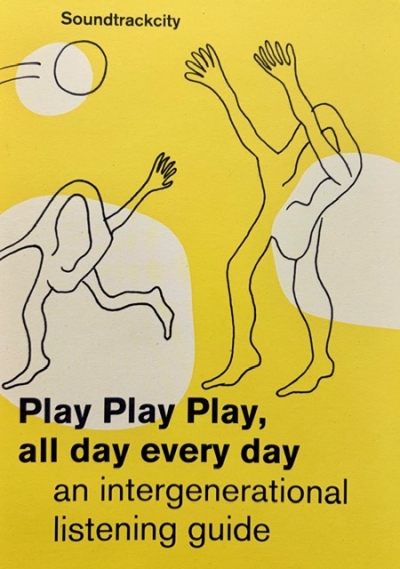
  • Soundtrackcity

    Play Play Play, all day every day. An Intergenerational…

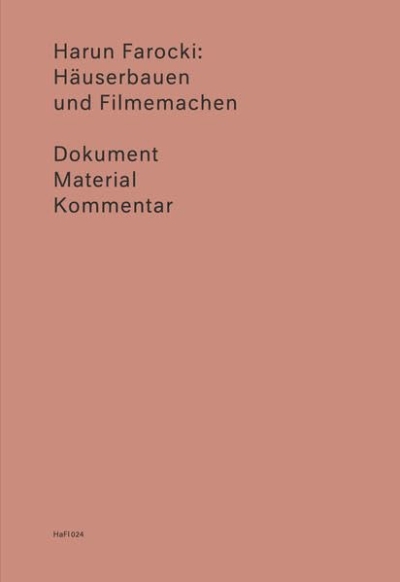
  • Tom Holert, Volker Pantenburg (Hg)

    Harun Farocki. Häuserbauen und Filmemachen. Dokument,…

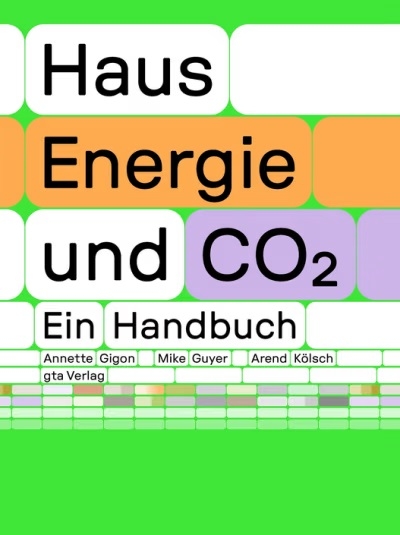
  • Annette Gigon, Mike Guyer, Arend Kölsch

    Haus, Energie und CO2. Ein Handbuch

  • gerade nicht auf Lager
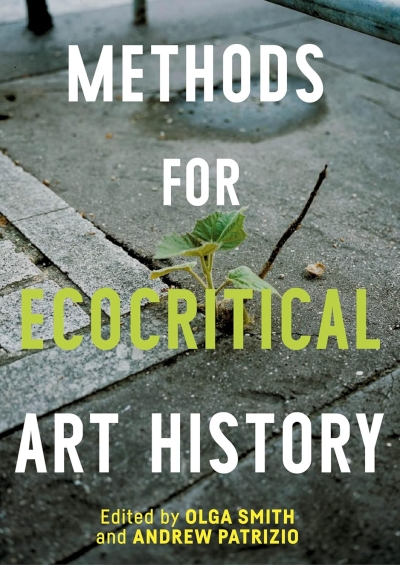
    Olga Smith, Andrew Patrizio (Eds)

    Methods for Ecocritical Art History

  • gerade nicht auf Lager
    Adrian J. Ivakhiv

    The New Lives of Images. Digital Ecologies and Anthropocene…

  • Jerome Denis, David Pontille

    The Care of Things. Ethics and Politics of Maintenance

  • gerade nicht auf Lager
    Rachel Adams

    The New Empire of AI. The Future of Global Inequality

  • gerade nicht auf Lager
    Jianwei Xun

    Prompt Thinking. A Critique of Generative Reason

  • gerade nicht auf Lager
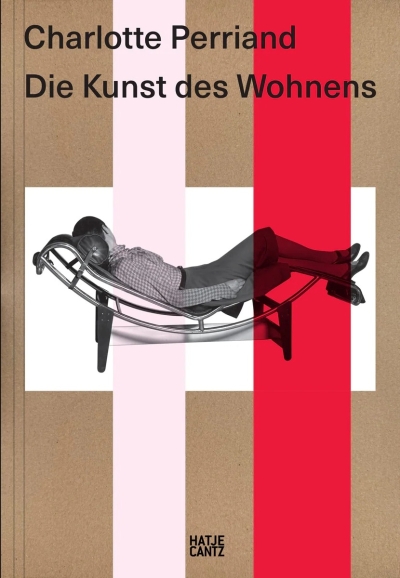
    Katia Baudin, Waleria Dorogova (Hg)

    Charlotte Perriand. Die Kunst des Wohnens

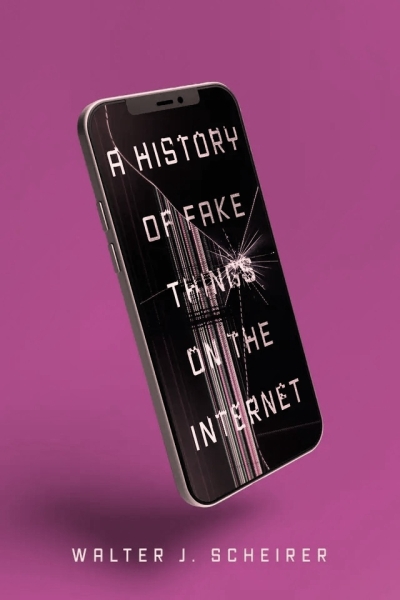
  • Walter J. Scheirer

    A History of Fake Things on the Internet

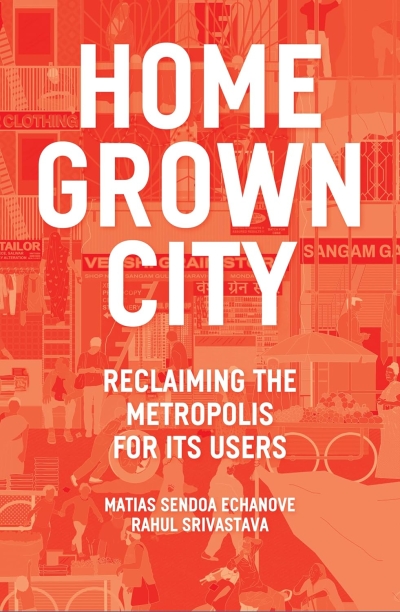
  • Matias Echanove, Rahul Srivastava

    The Homegrown City. Reclaiming the Metropolis for its Users

  • Suzanne Lettieri, Anya Sirota (Hg)

    Junior Architects. New Paradigms in Design Education

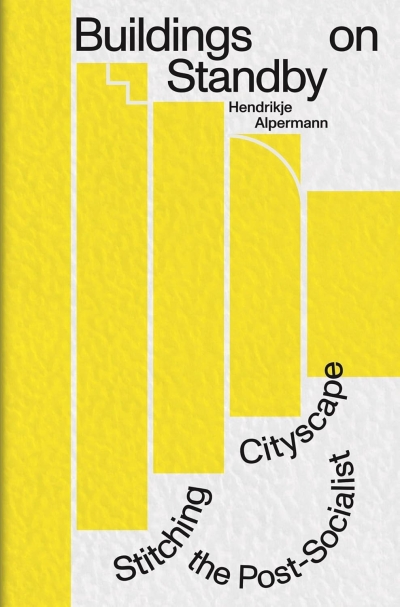
  • Hendrikje Alpermann

    Buildings on Standby: Stitching the Post-Socialist Cityscape

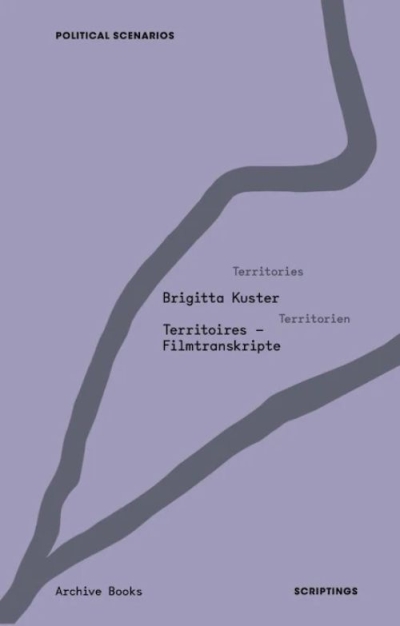
  • Brigitta Kuster, Achim Lengerer (Hg.)

    Territoires – Filmtranskripte

  • gerade nicht auf Lager
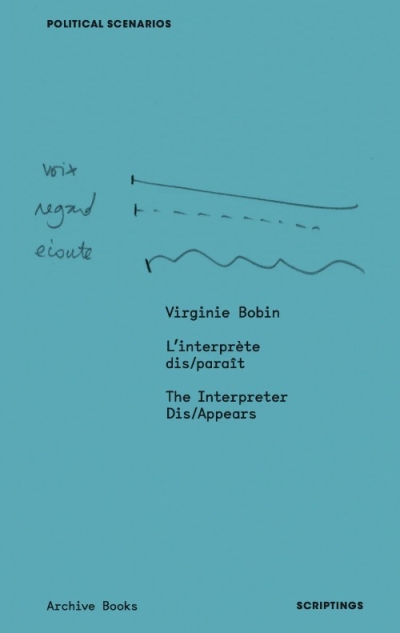
    Virginie Bobin, Achim Lengerer (Hg)

    The Interpreter Dis/Appears. L'interprète dis/parait

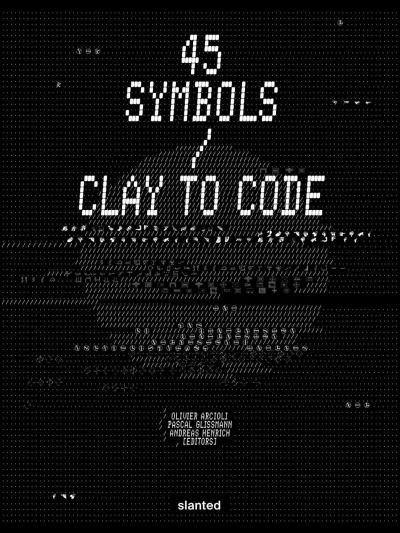
  • Andreas Henrich, Olivier Arcioli,…

    45 Symbols - Clay to Code

  • Joel Wainwright

    The End. Marx, Darwin, and the Natural History of the…

  • gerade nicht auf Lager
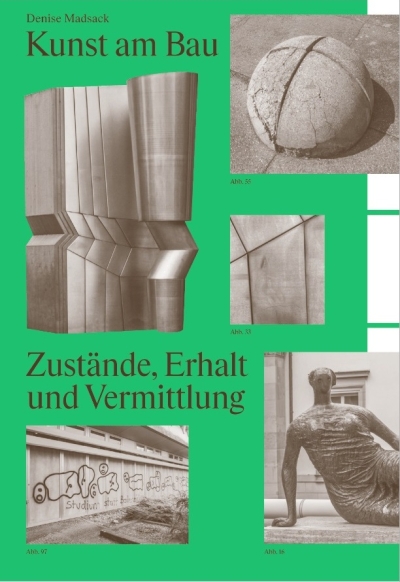
    Denise Madsack

    Kunst am Bau. Zustände, Erhalt und Vermittlung

  • gerade nicht auf Lager
    Adrian Daub

    Was das Valley herrschen nennt

  • gerade nicht auf Lager
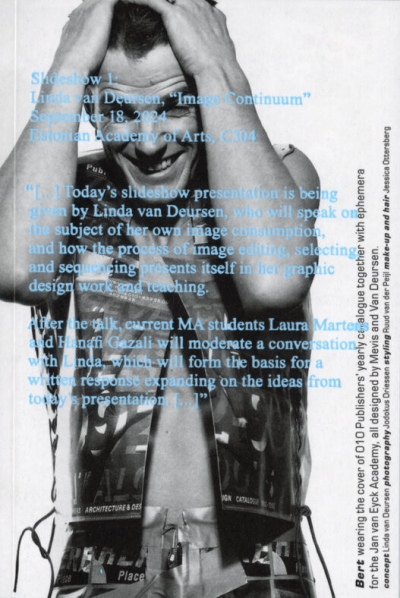
    Linda van Deursen, Alexandra Margetic…

    Slideshow 1: Linda van Deursen: “Image Continuum”

  • gerade nicht auf Lager
    Enrico Camporesi, Catherine de Smet,…

    Read Frame Type Film Or, Written on the Screen

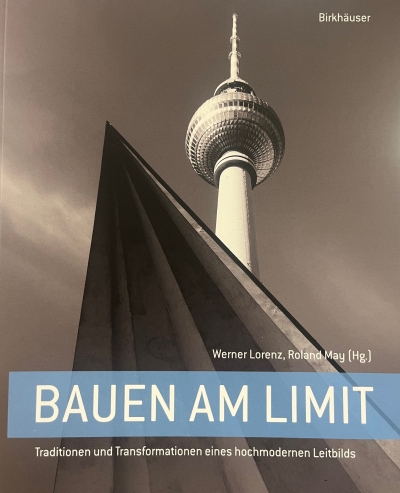
  • Werner Lorenz, Roland May (Hgs.)

    Bauen am Limit. Traditionen und Transformationen eines…

  • gerade nicht auf Lager
    Christina Haas, Anne-Catherine Schröter…

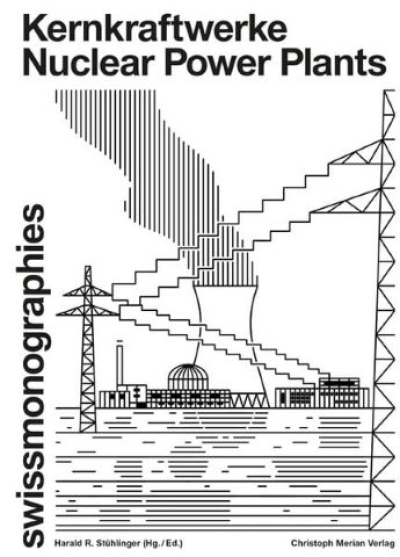
    Kernkraftwerke. Nuclear Power Plants.

  • Jorge Muñoz, Jesús Vassallo

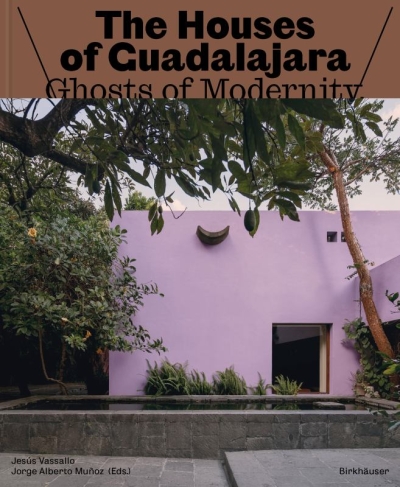
    The Houses of Guadalajara. Ghosts of Modernity / Ghosts of…

  • David Bröderbauer

    Acker, Baulücke, Deponie. Ein Brachenatlas

  • Mark Terkessidis

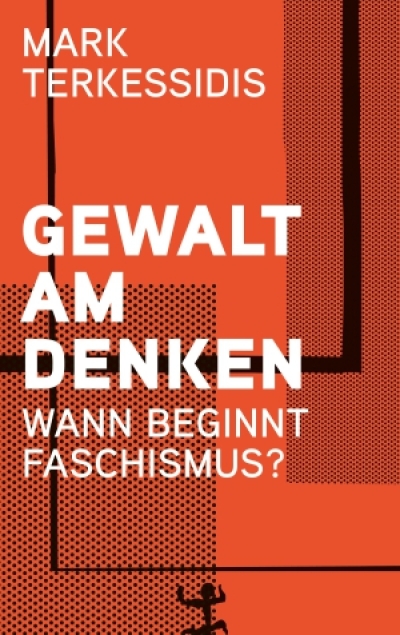
    Gewalt am Denken. Wann beginnt Faschismus?

  • IDEA Magazine

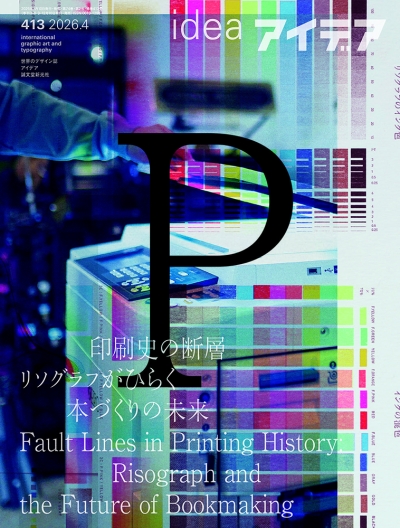
    Idea 413. Fault Lines in Printing History: Risograph and…

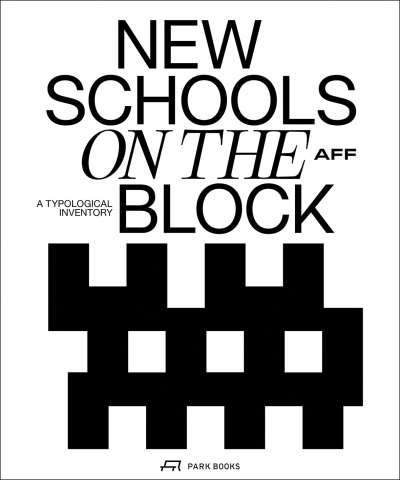
  • AFF Architekten, Kim Grundlach (Hg)

    AFF Architekten. New Schools on the Block. A Typological…

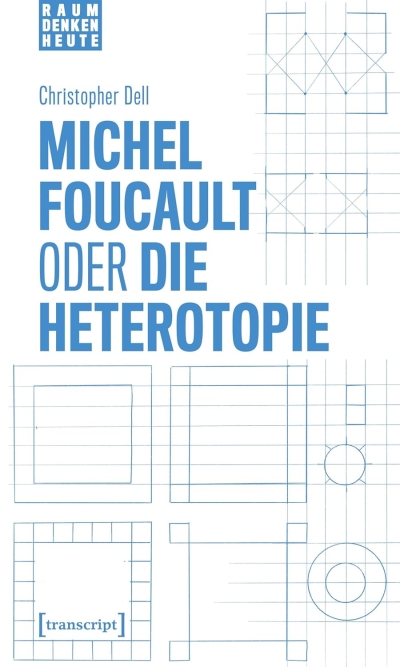
  • Christopher Dell

    Michel Foucault oder die Heterotopie

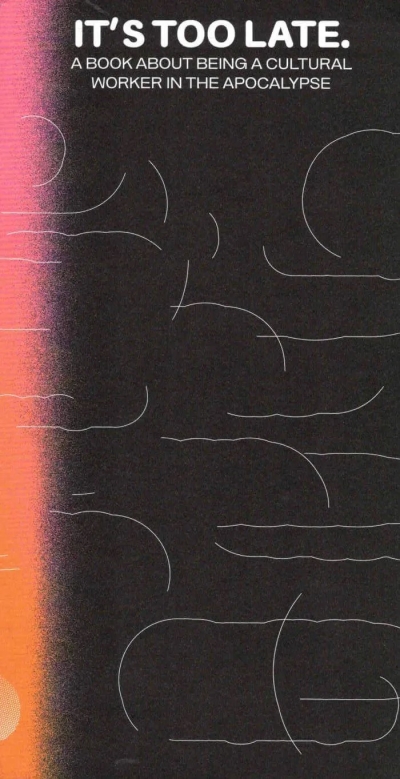
  • Cassie Thornton & Magdalena Jadwiga…

    It's Too Late. Do It Anyway!

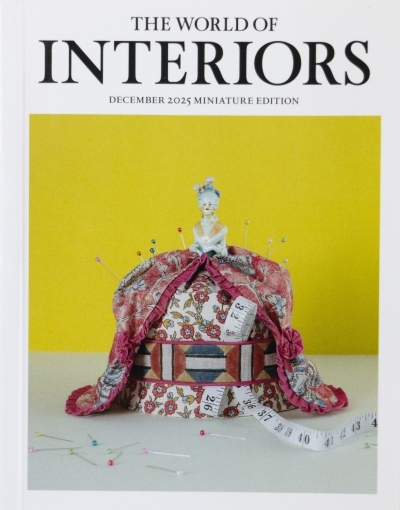
  • World of Interiors. December 2025 Mini Edition

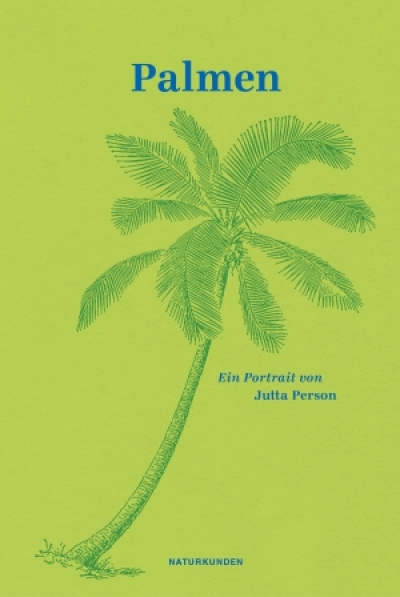
  • Jutta Person

    Palmen. Ein Portrait

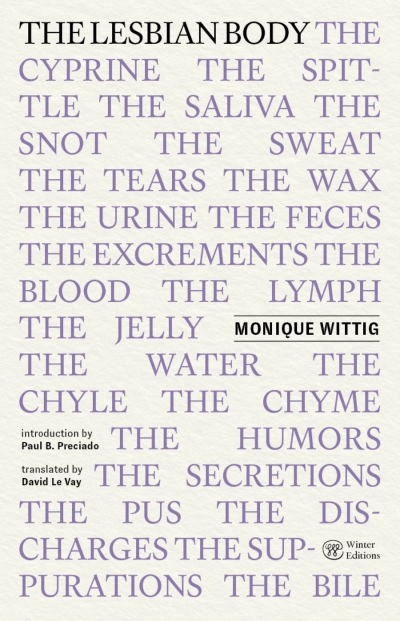
  • Monique Wittig

    The Lesbian Body

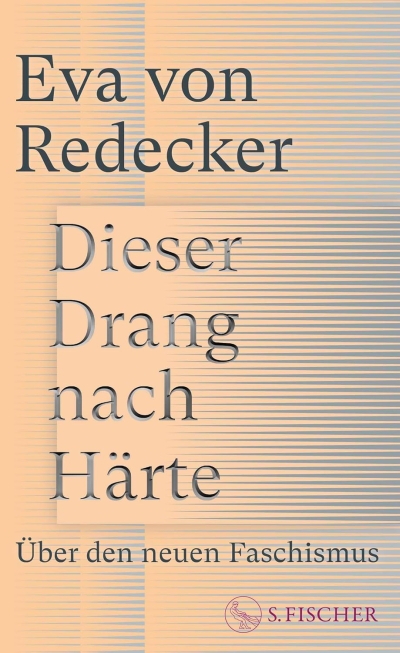
  • Eva von Redecker

    Dieser Drang nach Härte. Über den neuen Faschismus

  • gerade nicht auf Lager
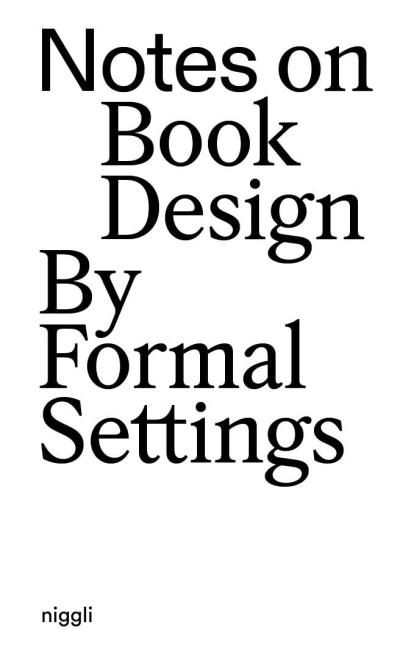
    Amanda-Li Kollberg, Siri Lee Lindskrog

    Notes on Book Design: by Formal Setting

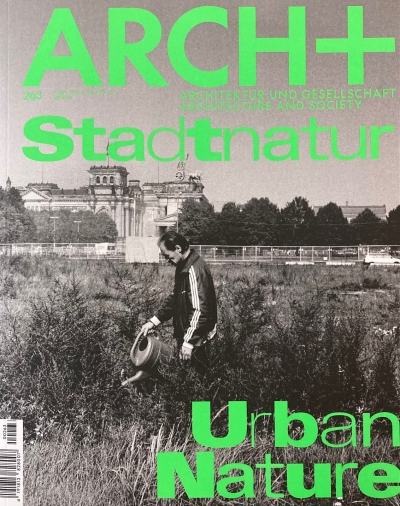
  • Anh-Linh Ngo

    ARCH+ 263. Stadtnatur / Urban Nature

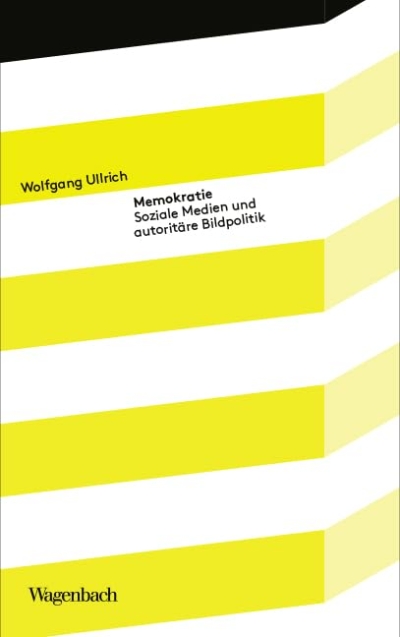
  • Wolfgang Ullrich

    Memokratie. Soziale Medien und autoritäre Bildpolitik

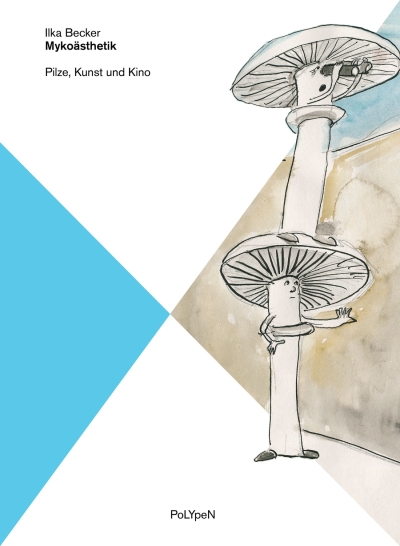
  • Ilka Becker

    Mykoästhetik. Pilze, Kunst und Kino

  • Inke Arns, Sabine Weier, Jan Wenzel,…

    Robotron. Code und Utopie

  • Sekou Cooke

    Black Architect

  • Katya García-Antón, Margarida Mendes…

    The Word for World is Water. World-Building and Creative…

  • Heinrich Geiselberger (Hg.)

    Oben rechts. Rechtspopulismus als Klassenprojekt

  • gerade nicht auf Lager
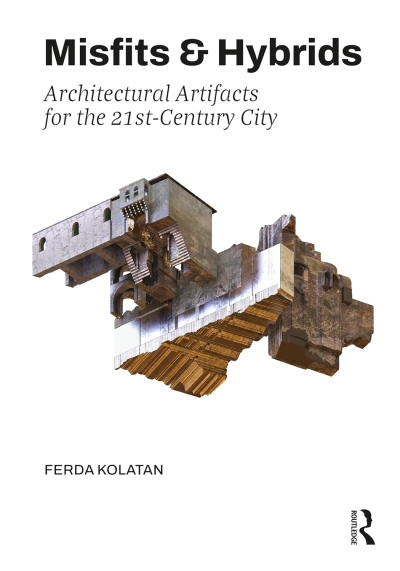
    Ferda Kolatan

    Misfits & Hybrids. Architectural Artifacts for the 21st…

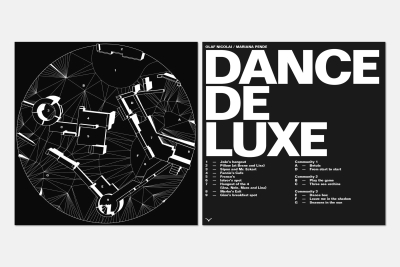
  • Olaf Nicolai, Mariana Pende

    Dance Deluxe. Olaf Nicolai, Mariana Pende

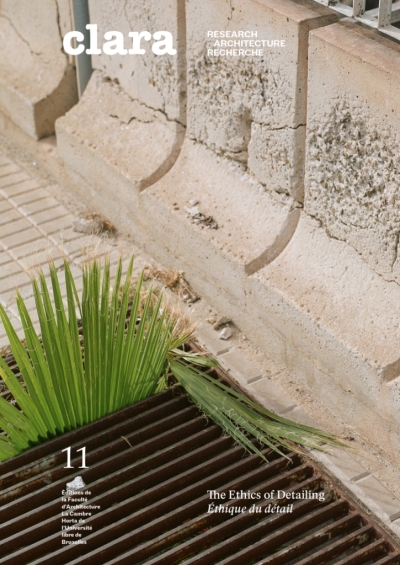
  • Tiphaine Abenia, Louis Destombes,…

    Clara No. 11: The Ethics of Detailing

  • Marjan Unger (Autorin), Theo Smeets (Hg)

    Jewellery in Context. A multidisciplinary framework for the…

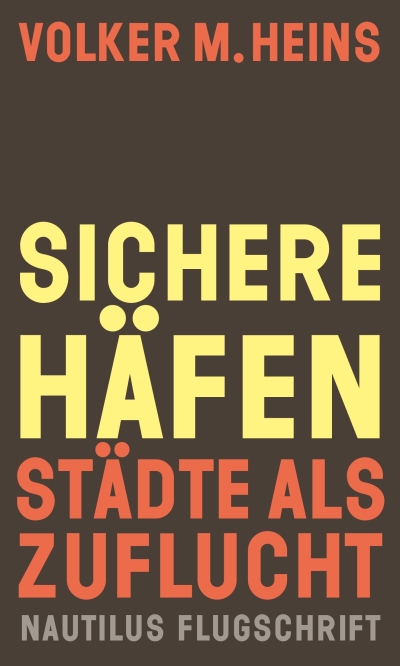
  • Volker M. Heins

    Sichere Häfen. Städte als Zuflucht

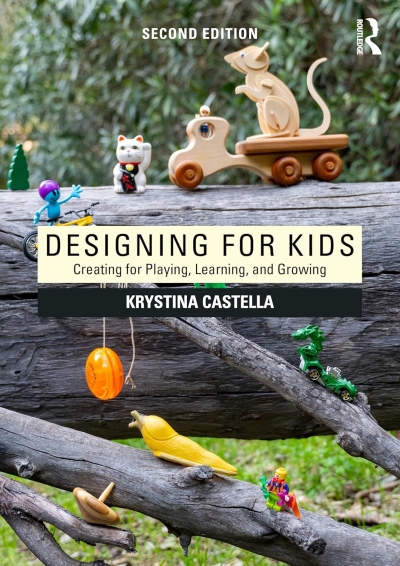
  • Krystina Castella

    Designing for Kids. Creating for Playing, Learning and…

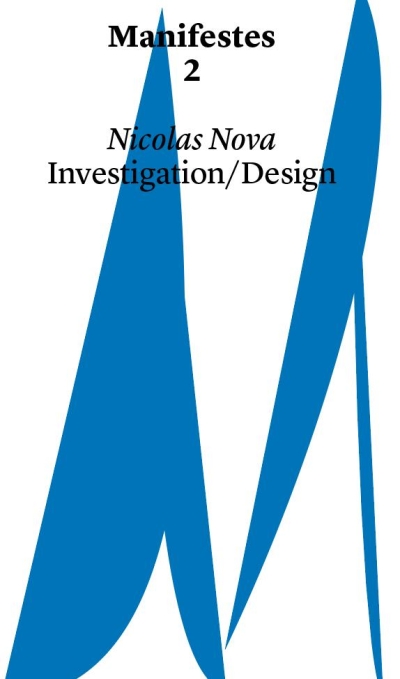
  • Nicolas Nova

    Manifestes 2. Investigation/Design

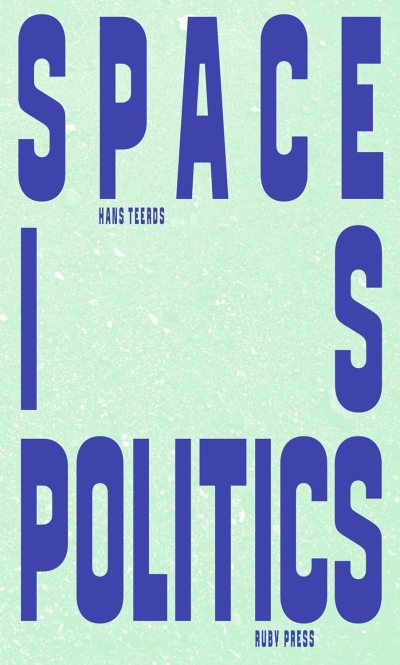
  • Hans Teerds

    Space Is Politics. A Manifesto on Architecture

  • gerade nicht auf Lager
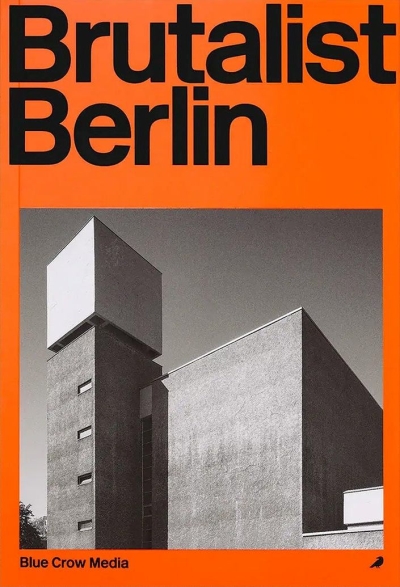
    Felix Torkar

    Brutalist Berlin. An Architect's Guide to Brutalist…

  • Santiago Bogani, Igo Kommers Wender,…

    SHIFT. Architecture in Times of Radical Change

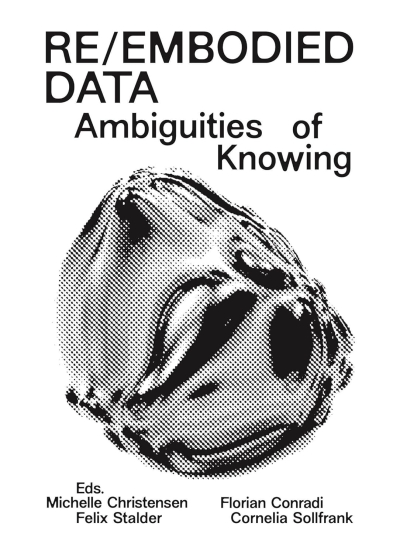
  • Michelle Christensen, Florian Conradi,…

    Re/Embodied Data. Ambiguities of Knowing

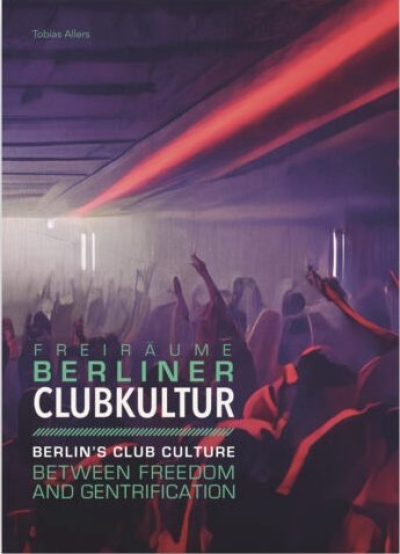
  • Tobias Allers

    Freiräume. Berliner Clubkultur. Berlin’s Club Culture…

  • Samantha Parsley

    Minor Keys. Gender, Inequality and Work In Electronic Music

  • gerade nicht auf Lager
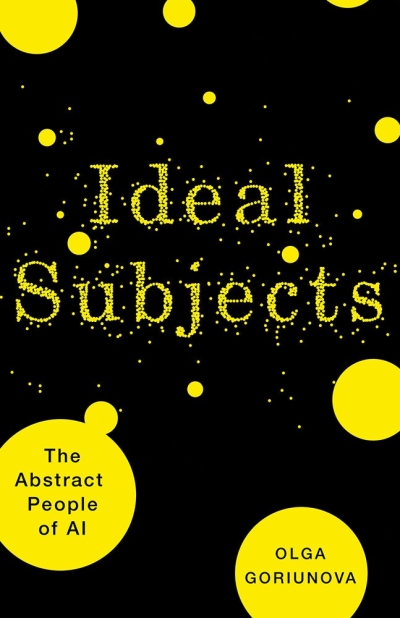
    Olga Goriunova

    Ideal Subjects. The Abstract People of AI

  • gerade nicht auf Lager
    Susan Leigh Foster

    Knowing as Moving. Perception, Memory, and Place.

  • gerade nicht auf Lager
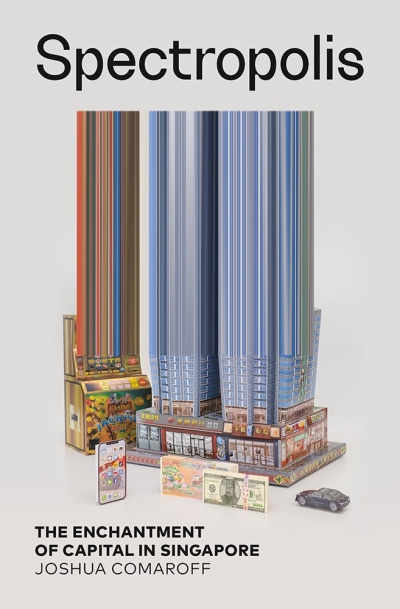
    Joshua Comaroff

    Spectropolis. The Enchantment of Capital in Singapore

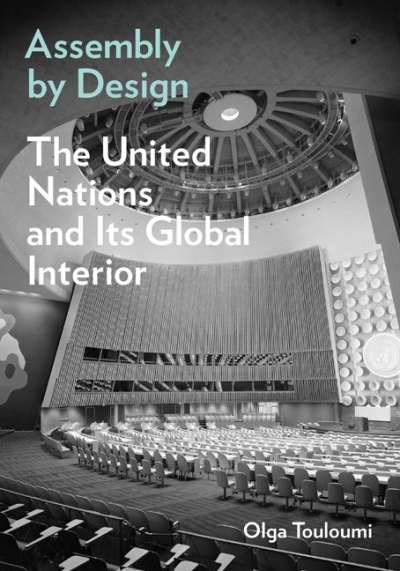
  • Olga Touloumi

    Assembly by Design. The United Nations and Its Global…

  • Lisa Lagova, Manon Fraser (eds.)

    Pure Fiction

  • gerade nicht auf Lager
    Pedro Bernstein

    Commentary on Approximations to the Object. An Inquiry into…

  • gerade nicht auf Lager
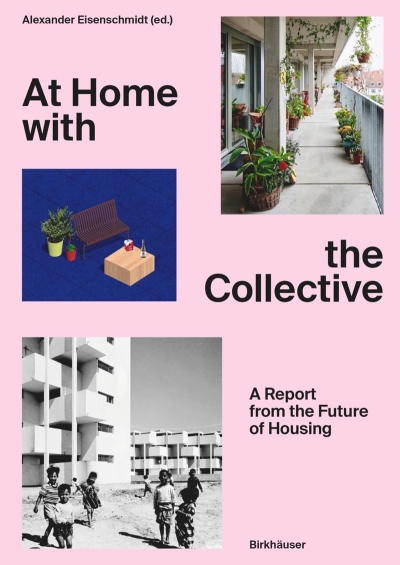
    Alexander Eisenschmidt

    At Home with the Collective. A Report from the Future of…

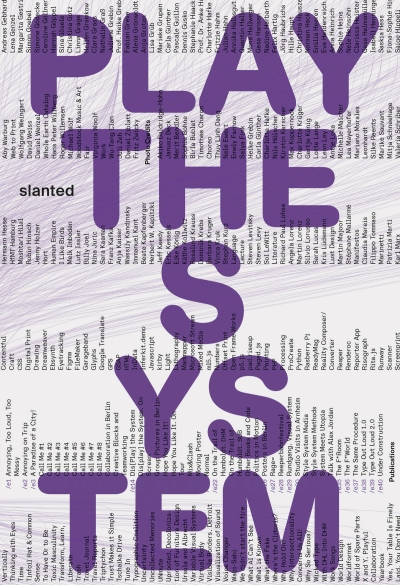
  • Heike Grebin (Ed.)

    Play the System. Parametric Approaches in Graphic Design

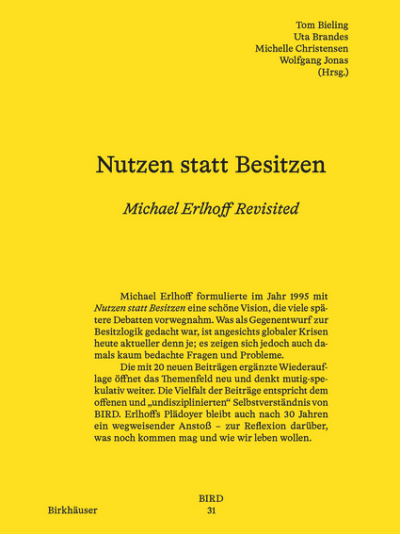
  • Uta Brandes, Tom Bieling, Michelle…

    Nutzen statt Besitzen. Michael Erlhoff Revisited

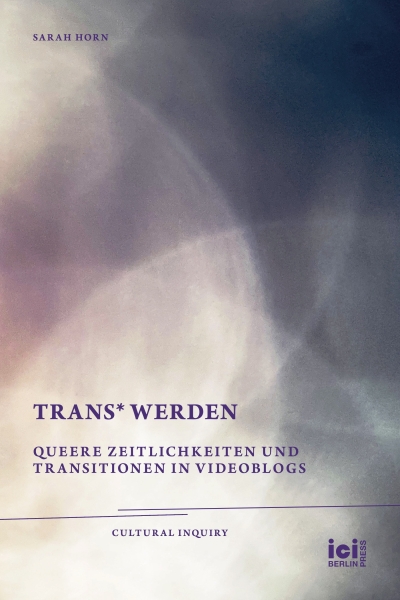
  • Sarah Horn

    Trans*Werden. Queere Zeitlichkeiten und Transitionen in…

  • gerade nicht auf Lager
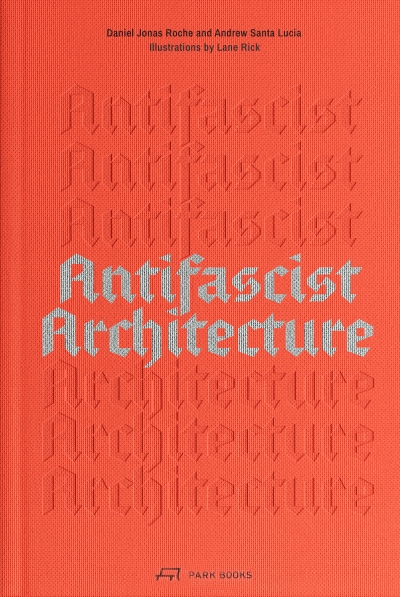
    Andrew Santa Lucia, Daniel Jonas Roche

    Antifascist Architecture. A Genealogy of Antifascist…

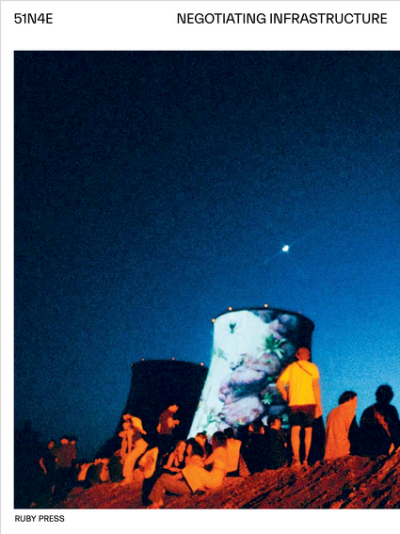
  • Freek Persyn, Seppe De Blust, Ilka Ruby

    51N4E. Negotiating Infrastructure

  • gerade nicht auf Lager
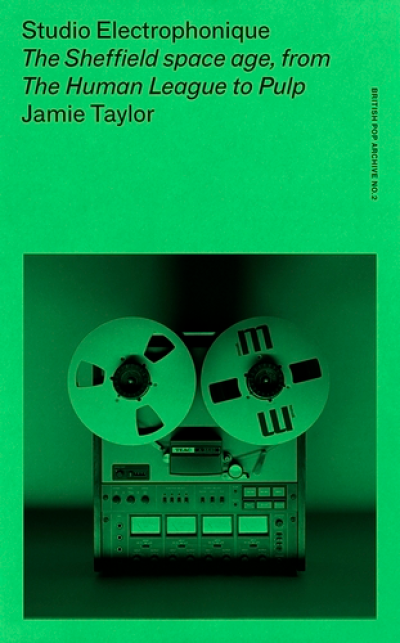
    Jamie Taylor

    Studio Electrophonique. The Sheffield Space Age, from the…

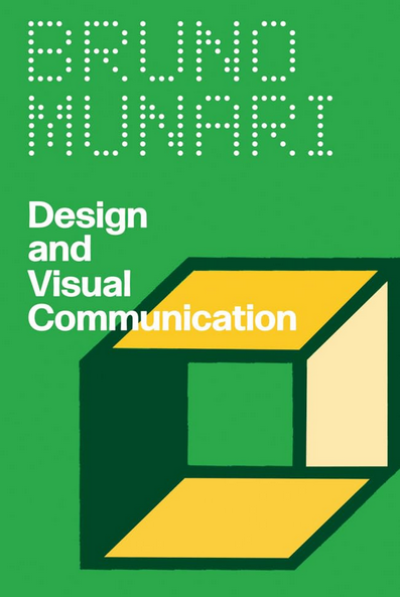
  • Bruno Munari

    Bruno Munari. Design and Visual Communication

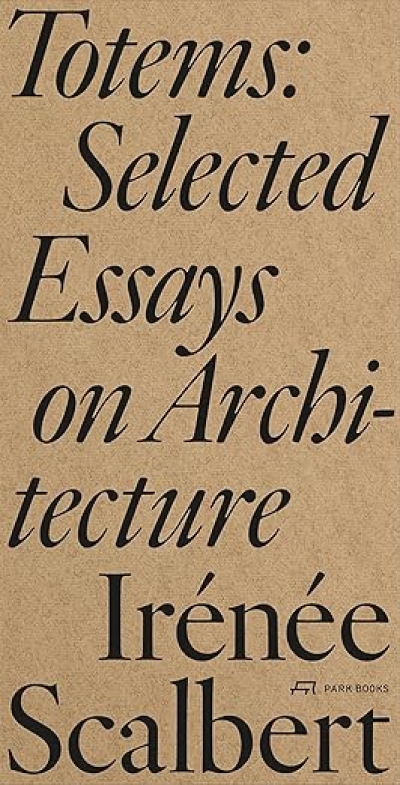
  • Irénée Scalbert

    Totems: Selected Essays on Architecture

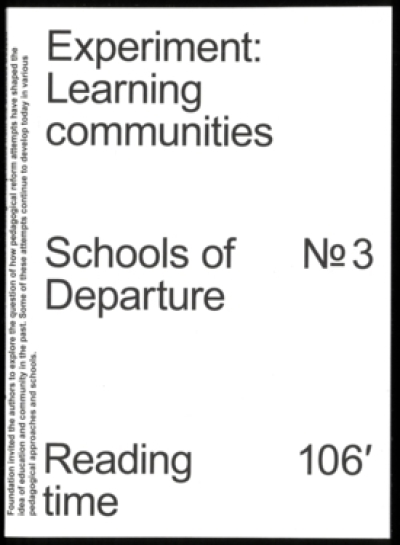
  • Katja Klaus (Hg.)

    Experiment: Learning Communities. (Schools of Departure No…

  • Regina Bittner, Katja Klaus, Philipp…

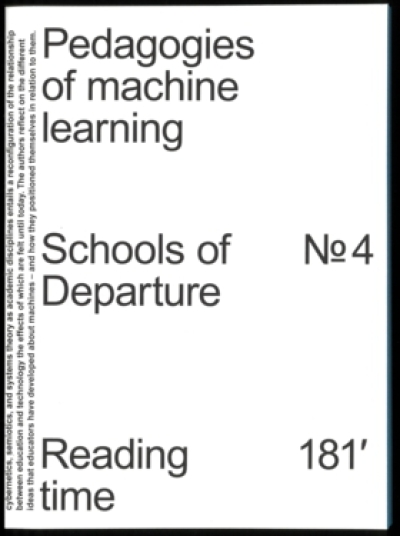
    Pedagogies of Machine Learning. (Schools of Departure No 4)

  • Hanna Mattes

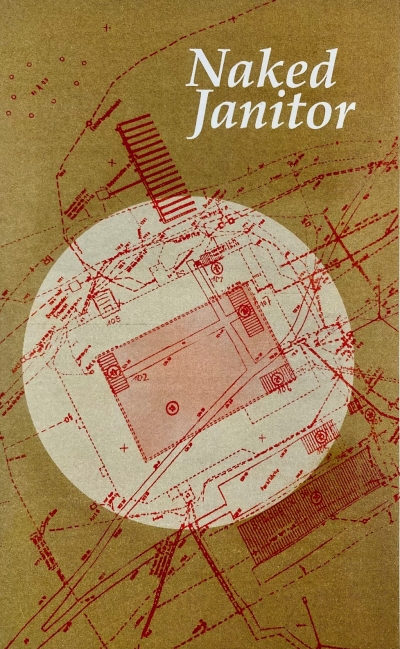
    Hanna Mattes. Naked Janitor

  • Anna-Verena Nosthoff

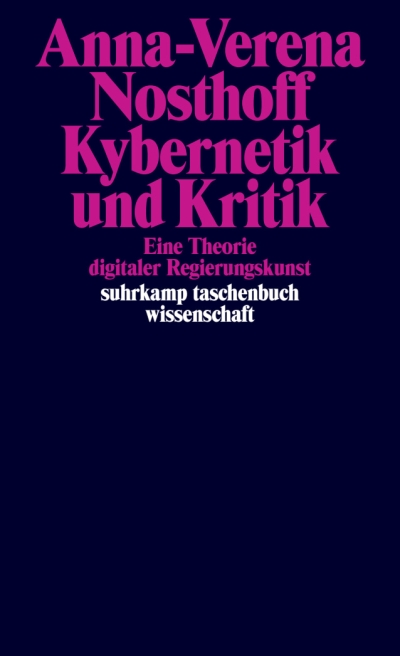
    Kybernetik und Kritik. Eine Theorie digitaler…

  • Quinn Slobodian, Ben Tarnoff

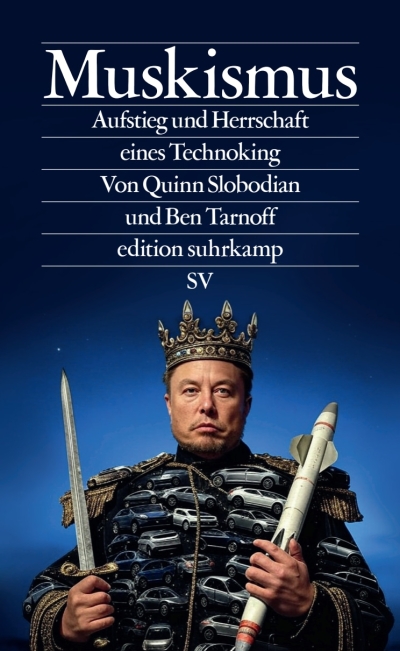
    Muskismus. Aufstieg und Herrschaft eines Technoking

  • Marc Siegel (Hrsg.), Jack Smith

    What's Underground About Marshmallows? Texts by and…

  • gerade nicht auf Lager
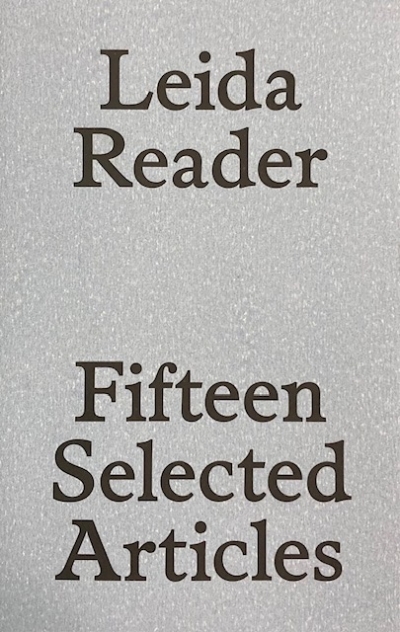
    Taavi Hallimäe, Neeme Lopp (Eds.)

    Leida Reader No. 1. Fifteen Selected Articles

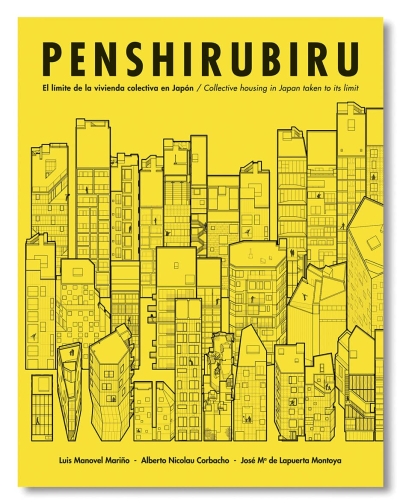
  • Luis Manovel Mariño, Alberto Nicolau…

    Penshirubiru. Collective housing in Japan taken to its…

  • Baukunst

    In a way, it is also more primitive. Baukunst on technology…

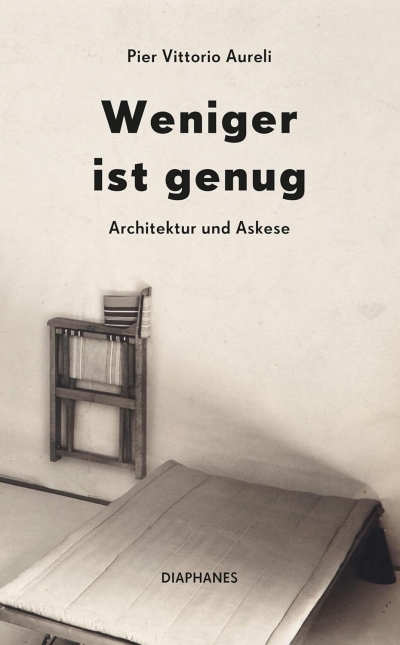
  • Pier Vittorio Aureli

    Weniger ist genug. Architektur und Askese

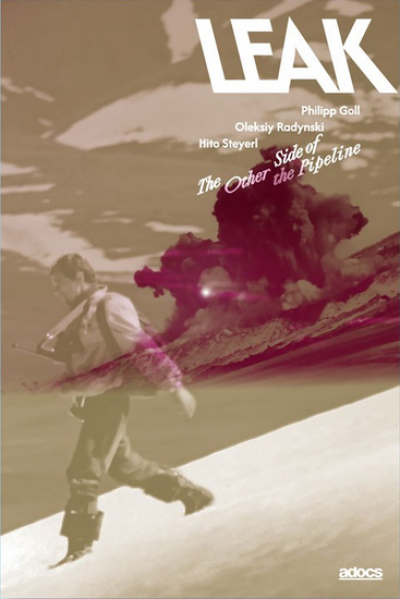
  • Philipp Goll (Ed.), Oleksiy Radynski,…

    Leak. The Other Side of the Pipeline

  • Blaise Agüera y Arcas

    What Is Intelligence? Lessons from AI About Evolution,…

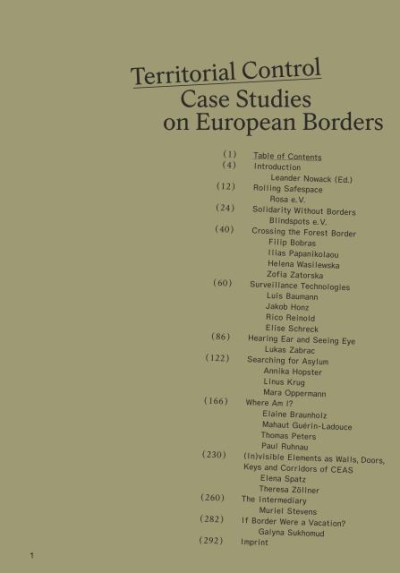
  • Leander Nowack (Ed.)

    Territorial Control. Case Studies on European Borders

  • Edward W. Said

    Representations of the Intellectual

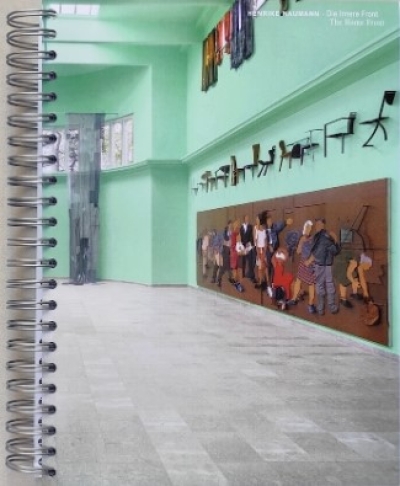
Cover Henrike Naumann. Die Innere Front. The Home Front

Henrike Naumann. Die Innere Front. The Home Front

German/English mit Texten von/with texts by Clemens Villinger, Kerstin Stakemeier. Design by Johannes Büttner

Die Publikation erscheint unabhängig als Materialsammlung zu Henrike Naumanns Beitrag für die Ausstellung RUIN im Deutschen Pavillon der diesjährigen Venedig Biennale (Kuratorin: Kathleen Reinhardt; Künstlerinnen: Henrike Naumann, Sung Tieu).

Sie hat keinen klaren Anfang und kein Ende. Beim ‚Forever‘-Umrunden der Seiten entlang der Spiralbindung entstehen neue Verknüpfungen, Fragmente verschieben sich, Bedeutungen kippen, Gesehenes erscheint in der Wiederholung anders. Klare Lesarten verweigern sich. Das zusammengetragene Material wird kontextualisiert und verwirrt gleichzeitig. Es ist ‚ungemütlich‘, ähnlich wie Henrike Naumann ihren Beitrag bezeichnete. Es zeigt sich eine dichte künstlerische Praxis, die nicht bewusst abgeschlossen werden konnte, sondern durch ein abruptes Ende bestimmt ist.

Als Materialsammlung werden verschiedene Elemente und Ansätze aus dem gesamten Arbeitsprozess zusammengeführt. Einmal die Hieroglyphen, die Henrike Naumann als Glossar und eigenes Zeichensystem beschrieb, teilweise begleitet von Texten von Clemens Villinger. Dazu kommt das umfangreiche ‚masterplan.key‘, ein fortlaufend bearbeitetes Dokument, mit dem sie vor über einem Jahr begann, um Ideen und Verknüpfungen zu sammeln. Es half ihr konzeptionelle Ansätze und Brüche zu entwickeln, sowie ihre Notizen und Denkprozesse aus den Skizzen und intensiven Recherchen zu visualisieren. Darunter der erste Konzeptentwurf aus dem Bewerbungsprozess.

Ähnlich wie bei ihrer Praxis der ‚Konzeptpapiere‘ nutzte Henrike ‚masterplan.key‘ als internes konzeptionelles Dokument, in dem sie Collagen und Manipulationen entwickelte, um das Material und die übereinanderliegenden Kontexte zu bändigen. Die Seitengröße des Dokuments orientiert sich an dem Laptopbildschirm, vor dem man mit ihr saß, während sie eine ihrer Keynote-Präsentationen durchklickte, um den künstlerischen Prozess in einem Projekt zu erläutern.

Die Sammlung enthält weiterhin Naumanns Konzepttextskizzen und einen Text von Kerstin Stakemeier. Dazu kommen einzelne Objektaufnahmen der Hieroglyphen, die noch in Naumanns Studio entstanden waren, sowie Ausstellungsansichten aus Venedig. Der Künstler Johannes Büttner entwickelte die konzeptionelle und grafischen Umsetzung der Publikation.

Die Materialsammlung war nicht mehr von Henrike Naumann geplant gewesen. Die Herausgeber:innen entschieden sich zur Veröffentlichung, um an ihren gewählten Schritt einer Sichtbarmachung von Ideen, Ansätzen und Recherchen anzuknüpfen, den sie mit dem Metallordner CONCEPTS eingeschlagen hatte. Die breite Vermittlung ihrer Arbeit war Henrike Naumann immer besonders wichtig, das Offenlegen ihrer Recherchelinien und Denkprozesse zu ihrem Pavillonbeitrag versucht diese Motivation so gut wie möglich zu unterstützen.

Es ist ein offenes Dokument entstanden, das Einblick gibt, aber vor allem herausfordert und zum Weiterdenken provoziert.

————————————————————————————————

This publication is an independently released collection of materials relating to Henrike Naumann’s contribution to the exhibition RUIN in the German Pavilion at this year’s Venice Biennale (curator: Kathleen Reinhardt; artists: Henrike Naumann, Sung Tieu).

It has no clear beginning or end. As one ‘forever’ turns the pages along the spiral binding, new connections emerge, fragments and meanings shift, and what has been seen appears different in repetitions. Clear interpretations elude the reader. The compiled material is both contextualizing and bewildering at the same time. It is ‘uncomfortable’, much as Henrike Naumann described her work in the pavilion. What emerges is a dense artistic practice that could not be consciously brought to a close, but is instead defined by an abrupt ending.

As a collection of material, various elements and approaches from the entire working process are brought together. Firstly, the hieroglyphs, which Henrike Naumann described as a glossary and a sign system in her own right, partly accompanied by texts by Clemens Villinger. Added to this is the extensive ‘masterplan.key’, a document that she constantly updated, and began working on over a year ago to collect ideas and connections. It helped her to develop conceptual approaches and disruptions, as well as to visualise her notes and thought processes drawn from the sketches and her intensive research. Among these is the first conceptual draft from the application procedure.

Much like her practice of ‘concept papers’, Henrike used ‘masterplan.key’ as an internal conceptual document in which she developed collages and manipulations to bring the material and the overlapping contexts ‘under control’. The page size of the document is based on the laptop screen in front of which one sat with her whilst she clicked through one of her Keynote presentations to explain the artistic process in a project.

The collection also includes Naumann’s conceptual text sketches and a text by Kerstin Stakemeier. In addition, there are individual photographs of the hieroglyphs, taken whilst they were still in Naumann’s studio, as well as exhibition views from Venice. The artist Johannes Büttner developed the conceptual and graphic design of the publication.

The collection of materials had not originally been planned by Henrike Naumann. The editors decided to publish it shortly before the opening in order to build on the approach she had adopted – that of bringing ideas, approaches and research to light – which she had embarked upon with the metal folder CONCEPTS. Communicating and mediating the work widely has always been particularly important to her; the disclosure of her lines of research and thoughts relating to her pavilion contribution seeks to support this motivation as effectively as possible.

The result is an open document that provides insight, but above all challenges the reader and provokes to further continue these approaches.


Studio Henrike Naumann
Henrike Naumann. Die Innere Front. The Home Front
Bierke Verlag, 2026, 978-3-948546-70-0
38,00 €